Related pricing guides
- Uganda Safari Cost: Complete Guide to Planning Your African Safari Budget
- How Much Does a Uganda Safari Cost
- Budget Uganda Safari Cost
- Midrange Uganda Safari Cost: Complete Guide to Planning an Affordable and Comfortable Uganda Safari
- Luxury Uganda Safari Cost: Complete Guide to Planning a High-End Uganda Safari
- All safari cost guides →
Group Uganda safari cost is one of the most important considerations for travelers looking to experience the Pearl of Africa while maximizing value for money. Group safaris have become increasingly popular because they allow visitors to enjoy Uganda’s incredible wildlife, gorilla trekking, chimpanzee tracking, birdwatching, cultural experiences, and adventure activities while sharing transportation and operational costs with fellow travelers.
Unlike private safaris where all vehicle, guide, fuel, and operational expenses are borne by a single traveler or booking party, group safaris distribute these costs among multiple participants. This often results in substantial savings while still providing access to the same national parks, wildlife experiences, and professional guiding services.
Whether you are a solo traveler seeking an affordable safari, a couple looking to reduce costs, a family joining a scheduled departure, or a group of friends organizing a custom adventure, understanding how group safari pricing works can help you choose the most suitable Uganda safari package.
This guide explains everything you need to know about group Uganda safari costs, including typical prices, factors affecting costs, advantages of group travel, and examples of popular safari itineraries.
What is a Group Uganda Safari?
A group safari involves multiple travelers sharing safari services and expenses. Participants may know each other before the trip or join scheduled departures organized by a tour operator.
Group safaris generally involve:
- Shared safari vehicles.
- Professional safari guides.
- Shared fuel costs.
- Shared operational expenses.
- Shared game drives.
- Group activities and excursions.
Accommodation arrangements may include shared or private rooms depending on traveler preferences and package design.
Why Choose a Group Safari in Uganda?
Uganda offers exceptional safari experiences, but transportation and logistics can represent a significant portion of total safari costs. By sharing these expenses, travelers can substantially reduce overall costs.
Benefits of group safaris include:
- Lower per-person costs.
- Opportunity to meet fellow travelers.
- Professional safari organization.
- Shared transportation expenses.
- Access to destinations that may be expensive for solo travelers.
- Excellent value for money.
For solo travelers in particular, group safaris often provide the most economical way to explore Uganda.
Average Group Uganda Safari Cost
Group safari prices vary according to itinerary length, accommodation category, included activities, and group size.
| Safari Duration | Budget Group Safari | Midrange Group Safari | Luxury Group Safari |
|---|---|---|---|
| 3 Days | US$400–900 | US$800–1,500 | US$1,800–3,000 |
| 5 Days | US$900–1,500 | US$1,500–2,500 | US$3,000–5,000 |
| 7 Days | US$1,200–2,200 | US$2,200–4,000 | US$5,000–8,000 |
| 10 Days | US$2,000–3,500 | US$3,500–6,500 | US$7,000–12,000+ |
These estimates vary depending on specific itinerary inclusions.
Group Gorilla Safari Cost
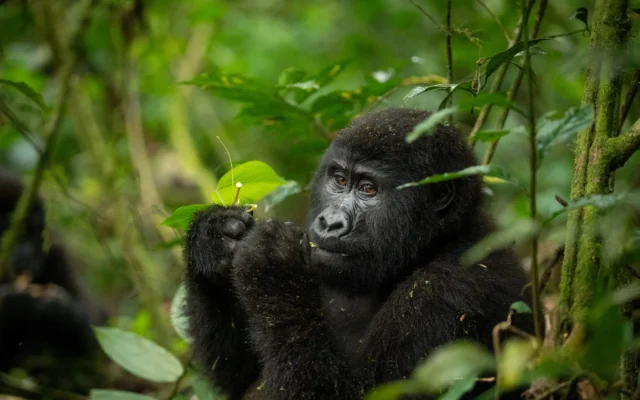
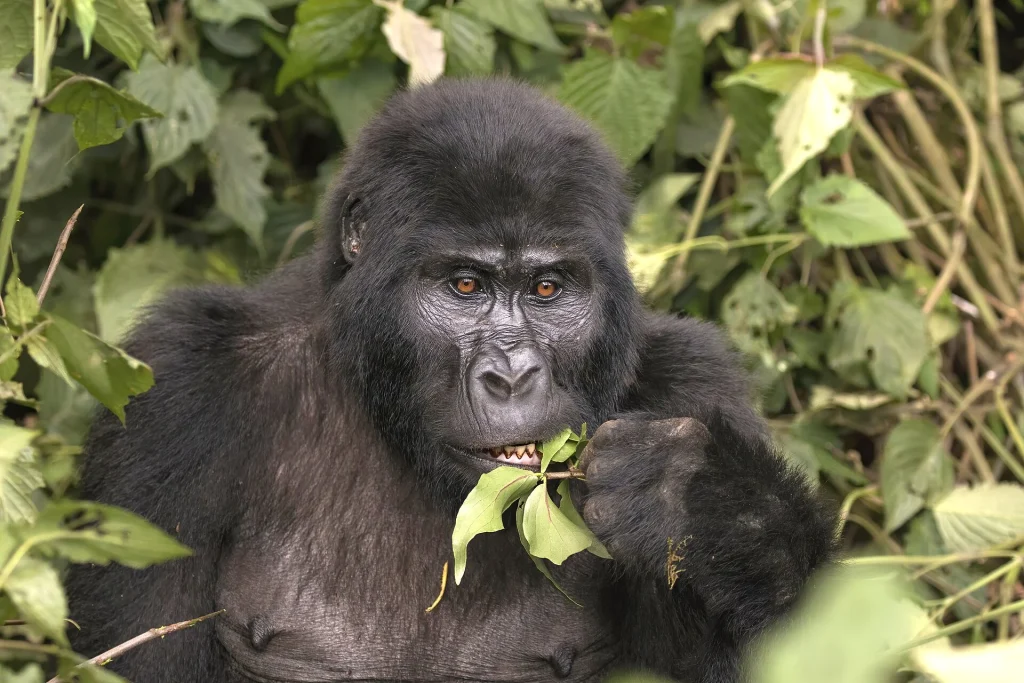
Gorilla trekking is often the most expensive component of a Uganda safari due to permit costs.
Current gorilla permit prices include:
- US$800 for foreign non-residents.
- US$700 for foreign residents.
- UGX 300,000 for East African citizens.
Typical group gorilla safari prices include:
- 3-Day Budget Gorilla Group Safari: US$1,100–1,600.
- 3-Day Midrange Gorilla Group Safari: US$1,800–2,500.
- 3-Day Luxury Gorilla Group Safari: US$3,500–5,000.
Sharing transportation significantly reduces overall costs.
Group Wildlife Safari Cost
Wildlife safaris typically offer greater cost-sharing opportunities because permit fees are generally lower than gorilla trekking permits.
Popular destinations include:
- Murchison Falls National Park.
- Queen Elizabeth National Park.
- Lake Mburo National Park.
- Kidepo Valley National Park.
Typical group wildlife safari prices:
- 3-Day Wildlife Safari: US$400–1,200.
- 5-Day Wildlife Safari: US$800–2,500.
- 7-Day Wildlife Safari: US$1,200–4,000.
Factors Affecting Group Safari Costs
Group Size
Group size is one of the most important pricing factors.
Larger groups generally enjoy lower per-person costs because expenses are divided among more participants.
| Group Size | Cost Advantage |
|---|---|
| 2 People | Limited cost sharing |
| 4 People | Moderate savings |
| 6 People | Significant savings |
| 8+ People | Maximum cost efficiency |
Accommodation Category
Accommodation greatly influences total safari costs.
Budget
- US$50–120 per room per night.
Midrange
- US$150–350 per room per night.
Luxury
- US$400–2,000+ per room per night.
Transportation
Transportation costs vary depending on:
- Vehicle type.
- Distance traveled.
- Fuel costs.
- Road conditions.
- Domestic flight requirements.
Sharing transportation is one of the main advantages of group travel.
Season
Safari prices may increase during peak tourism periods.
Peak Seasons
- June–August.
- December–February.
Low Seasons
- March–May.
- September–November.
Low-season travel often offers better accommodation rates.
Scheduled Group Safaris vs Private Group Safaris
Scheduled Group Safaris
These involve joining travelers from different countries on fixed departure dates.
Advantages include:
- Lower prices.
- Guaranteed departures.
- Opportunity to meet new people.
- Excellent value for solo travelers.
Private Group Safaris
Private groups consist of friends, families, clubs, schools, organizations, or corporate groups traveling together.
Advantages include:
- Flexible schedules.
- Customized itineraries.
- Exclusive vehicle use.
- Greater privacy.
Popular Group Safari Itineraries
3-Day Murchison Falls Group Safari
Includes:
- Game drives.
- Boat cruise.
- Murchison Falls visit.
Cost range:
- US$400–1,200 per person.
5-Day Gorilla and Wildlife Safari
Includes:
- Gorilla trekking.
- Queen Elizabeth National Park.
- Boat safari.
- Game drives.
Cost range:
- US$1,800–3,500 per person.
10-Day Uganda Explorer Safari
Includes:
- Murchison Falls.
- Kibale Forest.
- Queen Elizabeth.
- Bwindi.
- Lake Mburo.
Cost range:
- US$3,000–6,500 per person.
Additional Costs to Consider
Travelers should budget for expenses not included in safari packages.
These may include:
- International flights.
- Visa fees.
- Travel insurance.
- Tips and gratuities.
- Personal purchases.
- Alcoholic beverages.
- Optional activities.
How to Save Money on a Group Safari
- Travel during low season.
- Join scheduled departures.
- Book early.
- Choose midrange accommodation.
- Travel with friends.
- Combine activities efficiently.
These strategies can significantly reduce total safari expenses.
Is a Group Safari Worth It?
For many travelers, especially solo travelers and couples, group safaris offer excellent value.
Benefits include:
- Lower costs.
- Professional organization.
- Social experiences.
- Access to premium destinations.
- Reduced logistical complexity.
Many visitors find group safaris to be the most practical way to explore Uganda.
Frequently Asked Questions About Group Uganda Safari Costs
Are group safaris cheaper than private safaris?
Yes. Shared transportation and operational costs generally reduce per-person expenses.
Can solo travelers join group safaris?
Absolutely. Scheduled group departures are particularly popular among solo travelers.
How many people are usually in a group safari?
Most group safaris range from 4 to 8 participants, although larger groups are possible.
Can group safaris include gorilla trekking?
Yes. Many group itineraries include gorilla trekking alongside other safari activities.
Conclusion
Group Uganda safari costs offer excellent value for travelers seeking affordable access to Uganda’s incredible wildlife, gorillas, chimpanzees, birdlife, and cultural experiences. By sharing transportation and operational expenses, group participants can significantly reduce costs while enjoying professionally guided safaris.
Whether joining a scheduled departure or organizing a private group adventure, group safaris remain one of the most cost-effective and rewarding ways to explore the Pearl of Africa.
 Read
Read