Related seasonal guides
- Best Time to Visit Uganda
- Best Time for Gorilla Trekking in Uganda
- Gorilla Trekking in January: Complete Guide to Visiting Uganda’s Mountain Gorillas During the Peak Dry Season
- Gorilla Trekking in February: Complete Guide to Visiting Uganda’s Mountain Gorillas During the Dry Season
- Gorilla Trekking in March: Complete Guide to Visiting Uganda’s Mountain Gorillas During the Transition Season
- All seasonal guides →
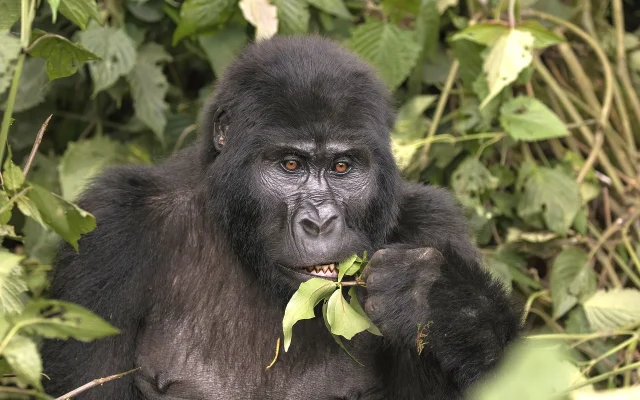
Gorilla trekking in May offers a unique opportunity to experience one of Africa’s most extraordinary wildlife encounters while enjoying some of the advantages associated with Uganda’s low tourism season. Although May falls within Uganda’s long rainy season, it remains a surprisingly good month for visiting the mountain gorillas of Bwindi Impenetrable National Park and Mgahinga Gorilla National Park. In fact, many experienced travelers deliberately choose May because of fewer crowds, excellent permit availability, lush scenery, and attractive accommodation discounts.
Mountain gorillas can be tracked throughout the year, and the gorillas themselves do not migrate or disappear during the rainy season. Every habituated gorilla family remains available for trekking regardless of weather conditions. While May may bring occasional rainfall and muddy forest trails, it also transforms Uganda’s rainforests into some of the most beautiful landscapes found anywhere in Africa.
For travelers willing to embrace the possibility of rain and slightly more challenging hiking conditions, May can provide an authentic, rewarding, and cost-effective gorilla trekking experience.
Is May a Good Time for Gorilla Trekking?
Yes, May is a good time for gorilla trekking, particularly for travelers seeking fewer crowds and better value for money. While it is not considered peak season, gorilla trekking operates every day throughout May and success rates remain extremely high.
Advantages of trekking in May include:
- Fewer tourists.
- Greater permit availability.
- Less crowded trekking groups.
- Lush rainforest scenery.
- Beautiful photography opportunities.
- Potential accommodation discounts.
- Excellent birdwatching conditions.
The primary challenge is the possibility of rain, which can make forest trails slippery and increase trekking difficulty.
Weather in Uganda During May
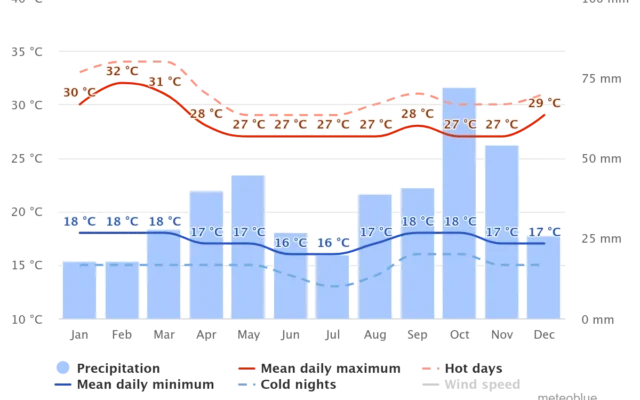
May occurs during the latter part of Uganda’s long rainy season. However, rainfall patterns have become increasingly variable in recent years, and many days still experience sunshine, especially during the mornings.
Typical conditions include:
- Daytime temperatures: 20°C–27°C.
- Cool mornings and evenings.
- Occasional afternoon showers.
- High humidity.
- Lush green vegetation.
Rainfall is usually more pronounced in forested mountain areas such as Bwindi and Mgahinga, but trekking activities continue unless weather conditions become exceptionally severe.
Where Can You Go Gorilla Trekking in May?
Uganda offers two destinations for mountain gorilla trekking.
Bwindi Impenetrable National Park
Bwindi is home to nearly half of the world’s remaining mountain gorillas and contains the largest number of habituated gorilla families available for tourism.
The park is divided into four trekking sectors:
- Buhoma
- Ruhija
- Rushaga
- Nkuringo
Each sector offers unique scenery and gorilla families.
Mgahinga Gorilla National Park
Mgahinga Gorilla National Park protects Uganda’s section of the Virunga Mountains and offers a more intimate trekking experience.
The park is also famous for:
- Golden monkey tracking.
- Volcano hiking.
- Virunga mountain scenery.
- Cultural experiences.
How Difficult is Gorilla Trekking in May?
Trekking difficulty varies depending on gorilla movements, weather conditions, and individual fitness levels.
During May, hikers should expect:
- Muddy forest trails.
- Occasional slippery sections.
- Wet vegetation.
- Potential rainfall during the trek.
However, gorillas sometimes remain at lower elevations during wetter months because food is abundant throughout the forest. This can occasionally result in shorter trekking times.
Trek duration may range from one to six hours depending on the location of the assigned gorilla family.
What Wildlife Can You See Besides Gorillas?
Although mountain gorillas are the primary attraction, Bwindi and Mgahinga support remarkable biodiversity.
Visitors may encounter:
- Black-and-white colobus monkeys.
- L’Hoest’s monkeys.
- Blue monkeys.
- Red-tailed monkeys.
- Forest elephants.
- Duikers.
- Numerous butterflies.
The forests also support an extraordinary variety of birds.
Birdwatching in May
May is actually one of the best months for birdwatching in Uganda. The combination of abundant food resources, breeding activity, and lush vegetation creates ideal birding conditions.
Notable species include:
- African Green Broadbill.
- Shelley’s Crimsonwing.
- Grauer’s Swamp Warbler.
- Handsome Francolin.
- Rwenzori Turaco.
- Numerous Albertine Rift endemics.
Many birdwatchers combine gorilla trekking with dedicated birding excursions.
Photography During May Gorilla Treks
Photographers often appreciate May because the rainforest appears particularly vibrant.
Advantages include:
- Rich green vegetation.
- Beautiful forest atmosphere.
- Soft lighting conditions.
- Reduced dust.
- Dramatic misty landscapes.
Visitors should bring waterproof protection for cameras and lenses.
Gorilla Permit Availability in May
One of the biggest advantages of trekking in May is permit availability.
Peak-season permits often sell out months in advance, but May generally offers greater flexibility for travelers making bookings.
Uganda gorilla permits currently cost:
- US$800 per person for foreign non-residents.
- US$700 per person for foreign residents.
- UGX 300,000 for East African citizens.
Permits should still be booked in advance whenever possible.
Accommodation Prices in May
Many lodges consider May part of the low season and may offer promotional rates.
This creates opportunities for travelers to enjoy high-quality accommodation at reduced prices.
Accommodation categories include:
- Budget lodges.
- Midrange safari lodges.
- Luxury lodges.
- Exclusive eco-lodges.
Savings can be significant compared to peak-season travel.
What to Pack for Gorilla Trekking in May
Proper preparation is important during rainy-season treks.
Recommended items include:
- Waterproof hiking boots.
- Rain jacket.
- Long-sleeved shirts.
- Long trousers.
- Garden gloves.
- Insect repellent.
- Gaiters.
- Daypack.
- Waterproof camera protection.
- Reusable water bottle.
Hiring a porter is also highly recommended.
Advantages of Gorilla Trekking in May
- Fewer tourists.
- Excellent permit availability.
- Potential lodge discounts.
- Lush scenery.
- Outstanding birdwatching.
- Authentic rainforest experience.
- Less crowded trekking groups.
Disadvantages of Gorilla Trekking in May
- Possibility of rain.
- Muddy trails.
- Higher humidity.
- Occasional travel delays due to weather.
Most travelers find that the advantages outweigh the challenges.
Combining Gorilla Trekking with Other Activities
May visitors often combine gorilla trekking with:
- Chimpanzee tracking in Kibale Forest.
- Wildlife safaris in Queen Elizabeth National Park.
- Lake Bunyonyi relaxation.
- Golden monkey tracking.
- Birdwatching tours.
- Cultural experiences.
The green season creates beautiful conditions across much of Uganda.
Frequently Asked Questions About Gorilla Trekking in May
Is May too rainy for gorilla trekking?
No. Trekking operates throughout May, although visitors should be prepared for occasional rain and muddy trails.
Can I see gorillas in May?
Yes. Gorilla sightings remain extremely reliable throughout the year.
Are permits cheaper in May?
No. Permit prices remain the same year-round, although accommodation discounts may be available.
Is May a good month for photographers?
Yes. Lush vegetation, misty forests, and dramatic scenery create excellent photographic opportunities.
Conclusion
Gorilla trekking in May offers an excellent opportunity to experience Uganda’s mountain gorillas while avoiding peak-season crowds. Although rainfall is more common than during the dry seasons, the benefits include greater permit availability, potentially lower accommodation costs, exceptional birdwatching, and breathtaking rainforest scenery.
For travelers seeking a more peaceful and authentic rainforest experience, May remains one of the most underrated times to visit Uganda’s gorilla habitats.

 Read
Read