

Related seasonal guides
- Best Time to Visit Uganda
- When to Visit Uganda for Safari: Best Time for Wildlife, Gorilla Trekking, and Birdwatching
- Uganda Safari Seasons: Complete Guide to the Best Time for Wildlife and Gorilla Trekking
- Uganda Weather for Safari: Best Climate Conditions for Wildlife and Gorilla Trekking
- Uganda Safari By Month: Best Time to Visit Uganda for Wildlife, Gorilla Trekking, and Birding
- All seasonal guides →
One of the most important decisions when planning a safari is choosing the right time to travel. If you are looking to book Uganda safari by season, understanding Uganda’s weather patterns, wildlife movements, trekking conditions, birding opportunities, and tourism seasons can help you select the ideal period for your adventure. Unlike many safari destinations that experience extreme seasonal changes, Uganda enjoys a relatively stable tropical climate throughout the year, making it a year-round destination for wildlife safaris, gorilla trekking, chimpanzee tracking, birdwatching, cultural tours, and nature experiences.
However, each season offers unique advantages and considerations. Some months provide drier hiking conditions for gorilla trekking, while others offer exceptional birding opportunities due to migratory species and breeding plumage. Certain periods see fewer visitors and lower accommodation rates, while peak seasons deliver excellent game viewing and ideal photography conditions. Understanding these seasonal differences allows travelers to maximize their safari experience while matching their travel goals, budget, and interests.
Uganda’s location along the equator means temperatures remain relatively consistent throughout the year. Instead of traditional summer and winter seasons, Uganda experiences alternating dry and rainy seasons. The country’s diverse landscapes, ranging from tropical rainforests and savannah plains to wetlands, lakes, and mountains, create varying microclimates that influence safari conditions in different regions.
Understanding Uganda’s Safari Seasons
Uganda generally experiences four primary travel seasons that influence safari planning:
- Major Dry Season (June to September)
- Short Dry Season (December to February)
- Long Rainy Season (March to May)
- Short Rainy Season (October to November)
Each season offers unique experiences for travelers seeking wildlife encounters, primate trekking adventures, birding expeditions, photography tours, and cultural experiences.
Book Uganda Safari During the Dry Season (June to September)
The period from June through September is widely considered Uganda’s primary safari season. During these months, rainfall is generally lower across most regions, resulting in drier roads, easier hiking conditions, and excellent wildlife viewing opportunities. This is one of the busiest periods for tourism, especially for travelers seeking gorilla trekking in Uganda and classic wildlife safaris.
Vegetation becomes less dense during the dry season, making animals easier to spot in national parks. Wildlife tends to concentrate around permanent water sources, increasing the likelihood of successful game drives in destinations such as Murchison Falls National Park, Queen Elizabeth National Park, Lake Mburo National Park, and Kidepo Valley National Park.
For gorilla trekkers, the dry season provides more comfortable hiking conditions in the forests of Bwindi Impenetrable National Park and Mgahinga Gorilla National Park. Trails are generally less muddy, making trekking easier, especially for older travelers and those concerned about physical fitness.
The dry season is also ideal for chimpanzee tracking in Kibale Forest National Park and Budongo Forest, where forest trails are more accessible and comfortable to navigate.
Advantages of Booking a Safari from June to September
Travelers choosing this season benefit from excellent wildlife viewing, favorable trekking conditions, clearer photography opportunities, reduced rainfall disruptions, and pleasant temperatures. Many visitors consider this the best period for first-time safaris in Uganda because activities are generally easier and wildlife sightings more predictable.
Considerations During Peak Season
Because June to September is highly popular, gorilla permits, chimpanzee permits, lodges, and safari vehicles often sell out months in advance. Accommodation prices may be higher than during low-season periods. Travelers planning to visit during these months should book early to secure preferred dates and lodging options.
Book Uganda Safari During the Short Dry Season (December to February)
The second major dry season occurs from December through February. This period is another excellent time to book Uganda safari by season, especially for travelers looking for favorable weather combined with slightly lower visitor numbers compared to the June–September peak season.
The short dry season offers excellent conditions for wildlife viewing, photography, gorilla trekking, chimpanzee tracking, and cultural tours. Many travelers from Europe and North America choose this period because it coincides with holiday travel schedules and winter vacations.
The relatively dry weather improves accessibility across national parks, while clear skies provide outstanding conditions for landscape photography and wildlife observation.
Wildlife Viewing During December to February
National parks remain highly productive during this season. Visitors can expect excellent opportunities to see elephants, buffaloes, giraffes, antelopes, hippos, crocodiles, lions, leopards, and numerous bird species. Boat safaris along the Kazinga Channel and the Nile River are particularly rewarding due to concentrated wildlife activity near water.
Primate Trekking Conditions
Forest conditions during these months are generally favorable, making gorilla trekking and chimpanzee tracking comfortable and enjoyable. Although rain can occur at any time in tropical forests, the trails are typically easier than during peak rainy months.
Book Uganda Safari During the Long Rainy Season (March to May)
The period from March through May is often referred to as Uganda’s low tourism season due to increased rainfall. However, many experienced travelers deliberately choose this time because it offers unique advantages that are often overlooked.
During the rainy season, Uganda’s landscapes become incredibly lush and green. Forests, wetlands, rivers, and savannahs appear vibrant and beautiful, creating exceptional opportunities for photography and nature appreciation. The countryside is at its most scenic during these months.
While some roads may become muddy and certain activities may require greater flexibility, wildlife viewing remains excellent in most parks. Animals do not disappear during the rainy season, and many visitors enjoy a more exclusive safari experience due to reduced tourist numbers.
Lower Safari Costs
One of the biggest advantages of traveling during March, April, and May is affordability. Many lodges offer significant discounts during this period, making it possible to enjoy luxury safari experiences at substantially reduced rates. Travelers looking for a budget Uganda safari often find excellent value during the rainy season.
Birding Opportunities
The rainy season is considered one of the best times for birding in Uganda. Resident birds are often in breeding plumage, migratory species may still be present, and bird activity is generally high. Wetlands, forests, and national parks provide outstanding birdwatching opportunities throughout this season.
Challenges During the Rainy Season
Travelers should be prepared for occasional delays caused by rain, muddy roads in remote areas, and more demanding trekking conditions. Proper waterproof gear and flexible itineraries help ensure a successful safari experience during this period.
Book Uganda Safari During the Short Rainy Season (October to November)
The short rainy season from October through November offers a balance between affordability and accessibility. Rainfall is generally less intense than during the March–May season, while visitor numbers remain lower than peak-season levels.
This period can be particularly attractive for travelers seeking fewer crowds while still enjoying excellent wildlife experiences. Landscapes remain green and attractive, and many lodges continue to offer favorable pricing.
Wildlife viewing remains productive across Uganda’s national parks, and gorilla trekking continues throughout the season. Many experienced safari travelers consider October and November hidden gems within Uganda’s tourism calendar.
Best Season for Gorilla Trekking in Uganda
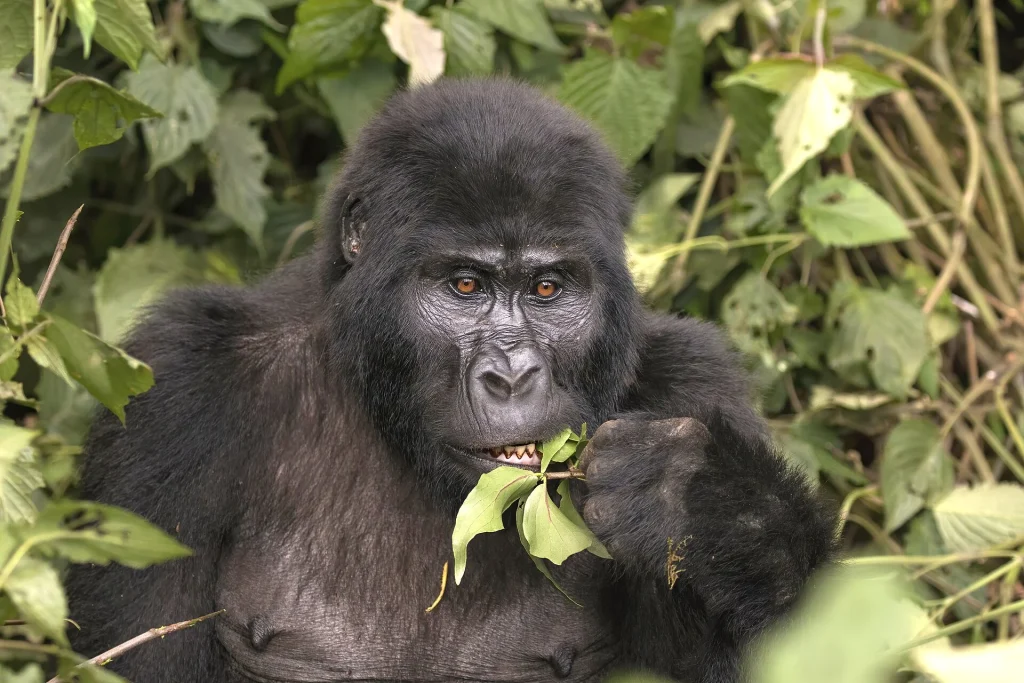
Gorilla trekking is available year-round, but most travelers prefer the dry seasons from June to September and December to February due to easier trail conditions. These months typically provide less muddy forest paths and more comfortable hiking experiences.
However, gorilla sightings are excellent throughout the year because habituated gorilla families remain within designated trekking areas. Some experienced trekkers even prefer the rainy season because permits are often easier to obtain and visitor numbers are lower.
Best Season for Chimpanzee Tracking
Chimpanzee tracking in Kibale Forest, Budongo Forest, and Kyambura Gorge is available year-round. Dry seasons generally provide easier walking conditions, while rainy seasons offer beautiful forest scenery and excellent photographic opportunities.
Chimpanzees remain active throughout the year, although their movements may vary depending on food availability and forest conditions.
Best Season for Wildlife Safaris
Game drives are productive throughout the year, but many safari enthusiasts consider June to September and December to February the best periods for wildlife viewing. During these months, animals are often easier to locate because vegetation is less dense and wildlife congregates around water sources.
Popular wildlife destinations include:
- Murchison Falls National Park
- Queen Elizabeth National Park
- Kidepo Valley National Park
- Lake Mburo National Park
- Semuliki National Park
Best Season for Birding Safaris
Birdwatching is exceptional throughout the year, but many birders prefer the period from November through April. During these months, migratory birds supplement Uganda’s resident species, creating outstanding bird diversity across forests, wetlands, lakes, and savannah habitats.
Uganda’s status as one of Africa’s premier birding destinations means that excellent bird sightings are possible during every season.
Best Season for Cultural Tours
Cultural tours can be enjoyed throughout the year. Traditional kingdoms, cultural villages, historical sites, community tourism projects, and local experiences operate regardless of season. Travelers interested in authentic cultural interactions can comfortably visit Uganda during any month.
How Far in Advance Should You Book?
If you plan to travel during the major dry seasons, particularly June to September, it is advisable to book your safari at least six to twelve months in advance. Gorilla permits are limited and often sell out early, especially during peak travel periods.
Travelers visiting during lower-demand months may enjoy greater flexibility and sometimes benefit from last-minute availability and promotional rates.
Book Uganda Safari by Season with Adventure in the Wild Safaris
Adventure in the Wild Safaris helps travelers choose the ideal season based on their interests, budget, preferred activities, and travel goals. Whether you are planning a luxury gorilla safari, a wildlife-focused adventure, a birding expedition, a cultural tour, or a comprehensive Uganda safari, we can recommend the best travel period and design a customized itinerary that maximizes your experience.
By understanding seasonal differences and matching them to your expectations, you can enjoy a safari that delivers the wildlife encounters, landscapes, cultural experiences, and memories you seek. Uganda’s year-round appeal means there is always a perfect season waiting for your adventure.
 Read
Read