

Related seasonal guides
- Best Time to Visit Uganda
- Gorilla Trekking in January: Complete Guide to Visiting Uganda’s Mountain Gorillas During the Peak Dry Season
- Gorilla Trekking in February: Complete Guide to Visiting Uganda’s Mountain Gorillas During the Dry Season
- Gorilla Trekking in March: Complete Guide to Visiting Uganda’s Mountain Gorillas During the Transition Season
- Gorilla Trekking in April: Complete Guide to Visiting Uganda’s Mountain Gorillas During the Green Season
- All seasonal guides →
The best time for gorilla trekking in Uganda is one of the most important considerations when planning a safari to see the endangered mountain gorillas. Gorilla trekking is Uganda’s most famous tourism activity and consistently ranks among the greatest wildlife experiences on Earth. Every year, thousands of visitors travel from around the world to trek through ancient rainforests in search of mountain gorilla families living in their natural habitat.
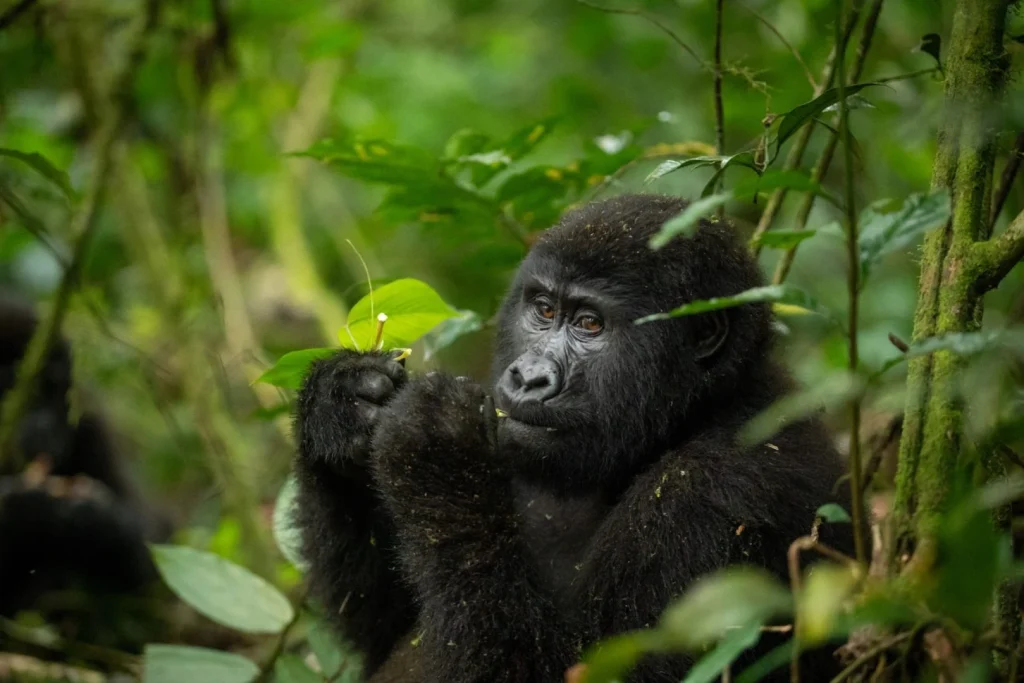
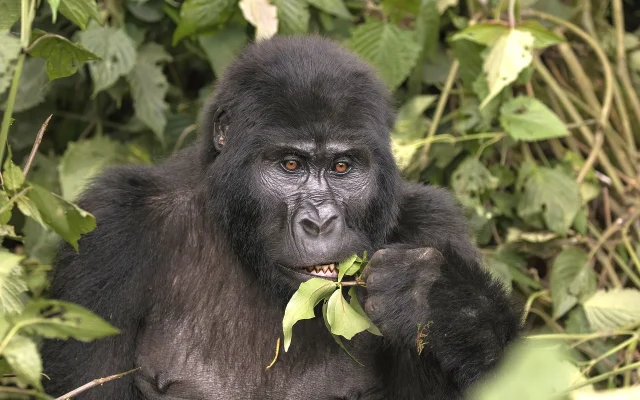
Uganda is home to nearly half of the world’s remaining mountain gorillas, making it one of only three countries where these magnificent primates can be observed in the wild. The country’s two gorilla trekking destinations, Bwindi Impenetrable National Park and Mgahinga Gorilla National Park, provide unforgettable opportunities to spend time with habituated gorilla families while contributing directly to conservation efforts.
Although gorilla trekking takes place throughout the year, weather conditions, trail accessibility, permit demand, photography opportunities, and visitor preferences vary by season. Understanding these differences helps travelers choose the most suitable time for their safari.
The good news is that mountain gorillas can be seen every month of the year. Unlike migratory wildlife, gorillas remain within their established home ranges, meaning successful treks are possible regardless of season. However, some months provide easier trekking conditions and greater travel convenience than others.
Why Uganda is the Best Destination for Gorilla Trekking
Uganda has become the leading destination for travelers seeking an authentic gorilla trekking safari. The country offers exceptional value, a large number of habituated gorilla families, diverse trekking sectors, experienced guides, and opportunities to combine gorilla trekking with wildlife safaris, chimpanzee tracking, cultural tours, birdwatching, hiking, and adventure travel.
Compared to neighboring destinations, Uganda offers more trekking permits, a wider range of accommodation choices, and extensive safari combinations. Visitors can spend time with gorillas in the morning and later enjoy wildlife viewing, cultural experiences, or scenic lake excursions as part of a broader itinerary.
Uganda’s conservation success story has also contributed significantly to the growth of mountain gorilla populations. Tourism revenue generated through gorilla permits supports anti-poaching efforts, community development projects, veterinary care, habitat protection, and conservation education.
Where Gorilla Trekking Takes Place in Uganda
Mountain gorilla trekking in Uganda takes place in two protected areas:
Bwindi Impenetrable National Park is by far the most popular destination and contains the majority of Uganda’s habituated gorilla families. The park is divided into four main trekking sectors:
- Buhoma Sector
- Ruhija Sector
- Rushaga Sector
- Nkuringo Sector
Each sector has multiple habituated gorilla families and offers unique trekking experiences, scenery, accommodation options, and levels of trekking difficulty.
Mgahinga Gorilla National Park, located in the Virunga Mountains, hosts one habituated gorilla family and offers a quieter trekking experience with stunning volcanic landscapes.
Understanding Uganda’s Gorilla Trekking Seasons
To understand the best time for gorilla trekking in Uganda, travelers should first understand Uganda’s climate patterns. The gorilla habitats are tropical montane rainforests that receive rainfall throughout the year.
Uganda experiences:
- Major Dry Season: June to August
- Short Dry Season: December to February
- Long Rainy Season: March to May
- Short Rainy Season: September to November
Because gorilla habitats are rainforest ecosystems, occasional rainfall can occur even during the dry seasons. Visitors should therefore prepare for changing weather regardless of travel dates.
Best Time for Gorilla Trekking During the Dry Season
June to August Gorilla Trekking
The period from June through August is widely regarded as one of the best times to visit Uganda for gorilla trekking. These months typically receive less rainfall, resulting in drier trails, improved hiking conditions, and easier navigation through the forest.
Because the ground is generally less muddy, trekking can be more comfortable for visitors of varying fitness levels. Photographers often appreciate the brighter conditions and reduced likelihood of heavy rain during gorilla encounters.
June, July, and August are also peak tourism months. Gorilla permits frequently sell out months in advance, particularly in popular sectors such as Buhoma and Rushaga. Travelers planning to visit during this period should secure permits as early as possible.
December to February Gorilla Trekking
The second dry season, occurring between December and February, is another excellent period for gorilla trekking. Weather conditions are generally favorable, forest trails are more manageable, and visibility within the forest can be slightly improved.
This period is particularly popular among holiday travelers from Europe, North America, Asia, and Australia. As a result, accommodation and permit demand can be high.
Travelers visiting during Christmas, New Year, and other holiday periods should make reservations well in advance to secure preferred gorilla permits and lodges.
Gorilla Trekking During the Rainy Seasons
While many travelers automatically choose the dry seasons, the rainy months can offer significant advantages for gorilla trekking.
The rainy seasons occur from March to May and September to November. During these periods, forests become exceptionally green and beautiful. Vegetation is lush, rivers flow strongly, and the entire ecosystem appears vibrant and alive.
One surprising advantage of rainy-season trekking is that gorillas often remain at lower elevations because food is abundant throughout the forest. In some cases, this can result in shorter trekking times compared to dry-season hikes where gorillas may travel farther in search of food.
Rainy-season visitors may also benefit from lower accommodation rates and greater permit availability, making this an attractive option for budget-conscious travelers.
Advantages of Visiting During the Dry Season
There are several reasons why many travelers consider the dry seasons to be the ideal time for gorilla trekking:
- Easier forest hiking conditions.
- Less slippery trails.
- Better road accessibility.
- Reduced likelihood of heavy rainfall.
- Excellent photography opportunities.
- Easier combination with wildlife safaris.
- Greater comfort during trekking.
For travelers who prioritize convenience and predictable weather, the dry seasons often represent the safest choice.
Advantages of Visiting During the Rainy Season
Rainy-season gorilla trekking offers several benefits that are often overlooked:
- Fewer visitors.
- Greater permit availability.
- Potentially shorter treks.
- Lush green scenery.
- Lower accommodation costs.
- Excellent birdwatching opportunities.
- Unique photographic conditions.
For experienced travelers and photographers, the rainy seasons can provide rewarding and highly authentic rainforest experiences.
Best Month for Gorilla Trekking in Uganda
If choosing a single month, many safari experts consider July and August among the most favorable periods due to generally dry conditions and excellent accessibility.
January and February are also highly recommended because they combine good weather with excellent opportunities to combine gorilla trekking with other safari activities.
However, there is no universally perfect month because mountain gorillas can be visited successfully throughout the year.
How Weather Affects Gorilla Trekking
Weather plays an important role in trekking conditions but rarely affects the success of gorilla encounters. Rangers and trackers monitor gorilla families daily, allowing guides to locate them regardless of weather conditions.
The primary impact of rainfall is on trail conditions. Wet trails may become muddy, slippery, and physically demanding. Proper footwear and preparation are therefore important.
Rainforest weather can also change rapidly. Visitors should always carry waterproof clothing even during the driest months.
Best Time for Gorilla Photography
Photographers often prefer the dry seasons because brighter conditions improve visibility inside the forest. Gorilla habitats are naturally shaded, and photography frequently occurs under low-light conditions.
However, rainy seasons create dramatic atmospheres, rich colors, and beautiful rainforest scenery. Professional photographers often appreciate the lush environment and softer light available during wetter periods.
Regardless of season, cameras with good low-light performance are highly recommended for gorilla trekking.
Gorilla Permit Availability by Season
Uganda gorilla permits are required for all trekking activities. Permit availability is strongly influenced by seasonal demand.
Peak demand occurs during:
- June
- July
- August
- December
- January
- February
Permits for these months can sell out six to twelve months in advance, particularly for preferred trekking sectors.
Travelers visiting during rainy seasons generally have more flexibility and may find permit availability even at shorter notice.
Best Time for Gorilla Habituation Experience
Uganda also offers the unique Gorilla Habituation Experience in the Rushaga sector of Bwindi Impenetrable National Park. This allows visitors to spend up to four hours with a semi-habituated gorilla family instead of the standard one-hour visit.
The dry seasons are often preferred because the activity involves longer periods in the forest. However, habituation experiences remain available throughout the year.
Combining Gorilla Trekking with Wildlife Safaris
Many visitors combine gorilla trekking with traditional wildlife safaris. Popular combinations include:
- Queen Elizabeth National Park and Bwindi.
- Lake Mburo National Park and Bwindi.
- Murchison Falls National Park and Bwindi.
- Kibale Forest and Bwindi.
- Kidepo Valley and Bwindi.
The dry seasons provide the best overall conditions for combining these activities because wildlife viewing is typically at its peak while trekking conditions remain favorable.
Combining Gorilla Trekking with Chimpanzee Tracking
Uganda is one of the few destinations where travelers can easily combine mountain gorillas and chimpanzees in a single itinerary.
The most common combination includes:
- Kibale Forest National Park for chimpanzees.
- Bwindi Impenetrable National Park for gorillas.
- Queen Elizabeth National Park for wildlife safaris.
This itinerary is excellent throughout the year but particularly popular during the dry seasons.
What to Pack for Gorilla Trekking
Regardless of season, visitors should prepare carefully. Recommended items include:
- Waterproof hiking boots.
- Long-sleeved shirts.
- Long trousers.
- Rain jacket.
- Garden gloves.
- Insect repellent.
- Reusable water bottle.
- Camera with extra batteries.
- Small backpack.
- Hat and sunscreen.
Because conditions can change quickly in the rainforest, preparation is essential.
Month-by-Month Gorilla Trekking Guide
| Month | Trekking Conditions |
|---|---|
| January | Excellent |
| February | Excellent |
| March | Very Good |
| April | Good |
| May | Good |
| June | Excellent |
| July | Excellent |
| August | Excellent |
| September | Very Good |
| October | Very Good |
| November | Very Good |
| December | Excellent |
Frequently Asked Questions About Gorilla Trekking in Uganda
What is the absolute best month for gorilla trekking?
July and August are often considered the best months because of generally dry weather and excellent trekking conditions.
Can gorilla trekking be done during the rainy season?
Yes. Gorilla trekking operates throughout the year and many travelers successfully trek during rainy months.
Do gorillas move away during certain seasons?
No. Mountain gorillas remain within their home ranges throughout the year and can be tracked regardless of season.
When should I book gorilla permits?
For peak seasons, permits should ideally be booked six to twelve months in advance.
Is Uganda better than Rwanda for gorilla trekking?
Uganda offers more habituated gorilla families, more trekking sectors, longer safari combinations, and generally better value for travelers seeking a comprehensive East African safari experience.
Conclusion
The best time for gorilla trekking in Uganda is generally during the dry seasons from June to August and December to February when trails are easier to navigate and weather conditions are more predictable. However, mountain gorillas can be visited successfully throughout the year, and rainy-season travel offers its own unique advantages.
Whether you choose Bwindi Impenetrable National Park or Mgahinga Gorilla National Park, a gorilla trekking safari in Uganda is a life-changing experience. The opportunity to stand just a few meters away from a family of wild mountain gorillas, observing their behavior in their natural habitat, remains one of Africa’s most extraordinary wildlife encounters.
 Read
Read