Related seasonal guides
- Best Time to Visit Uganda
- When to Visit Uganda for Safari: Best Time for Wildlife, Gorilla Trekking, and Birdwatching
- Uganda Safari Seasons: Complete Guide to the Best Time for Wildlife and Gorilla Trekking
- Uganda Weather for Safari: Best Climate Conditions for Wildlife and Gorilla Trekking
- Uganda Safari By Month: Best Time to Visit Uganda for Wildlife, Gorilla Trekking, and Birding
- All seasonal guides →
Uganda Peak Safari Season refers to the most popular travel periods when wildlife viewing conditions, weather, and accessibility across national parks are at their best. This season attracts the highest number of visitors to the Pearl of Africa due to excellent safari conditions, including dry weather, clear skies, and optimal wildlife visibility.
During peak season, Uganda’s national parks become vibrant with safari activity as travelers enjoy game drives, gorilla trekking, chimpanzee tracking, birdwatching, and cultural experiences in ideal conditions. This period is considered the best time for first-time visitors and luxury safari travelers seeking a smooth and rewarding experience.
When Is Uganda Peak Safari Season?
Uganda’s peak safari seasons occur during the two main dry periods:
- June to August (long dry season)
- December to February (short dry season)
These months provide the most favorable conditions for wildlife viewing and trekking activities.
Why Peak Season Is the Best Time for Safaris
Uganda peak season offers several advantages for travelers:
- Clear and sunny weather conditions.
- Easy access to national parks and trekking trails.
- High wildlife visibility around water sources.
- Ideal conditions for photography.
- Reliable gorilla and chimpanzee trekking experiences.
These factors make peak season the most comfortable and predictable time for safaris.
Wildlife Viewing During Peak Season
Wildlife viewing is at its best during Uganda’s peak season.
Animals are easier to spot because they gather near rivers, lakes, and waterholes.
Common sightings include:
- Lions in Queen Elizabeth National Park.
- Elephants in Murchison Falls National Park.
- Giraffes and zebras in Lake Mburo National Park.
- Buffalo, antelopes, and hippos across savannah parks.
Game drives are more productive and visually rewarding during this period.
Gorilla Trekking in Peak Season
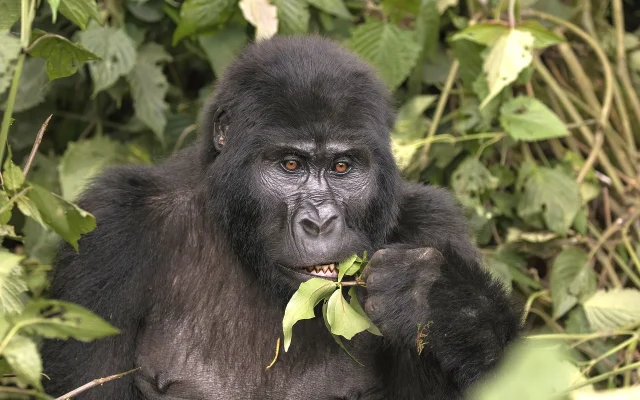
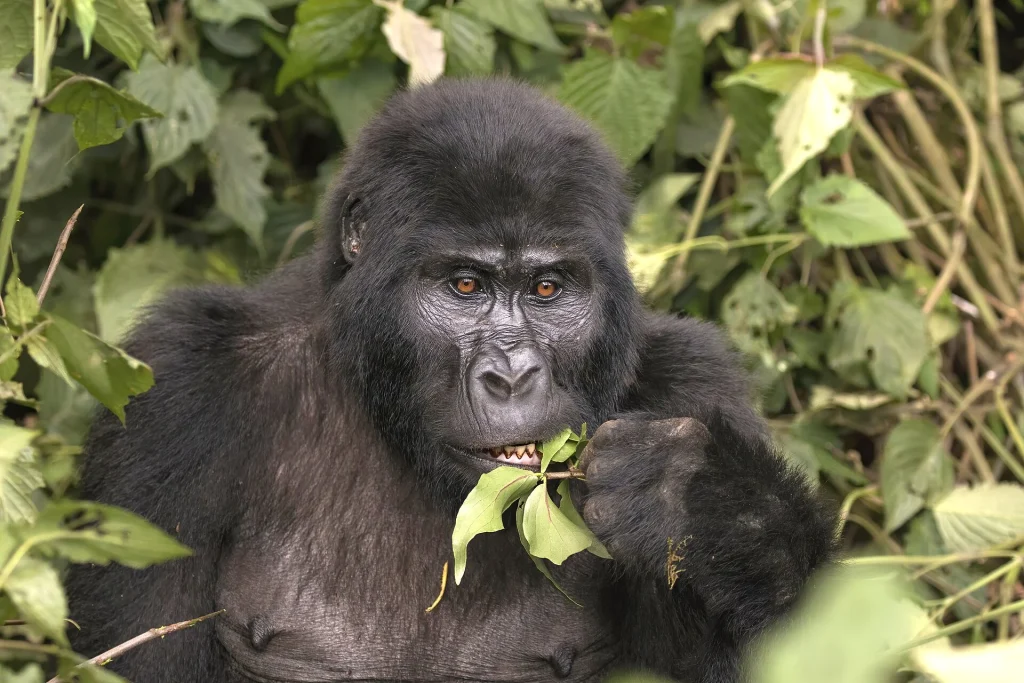
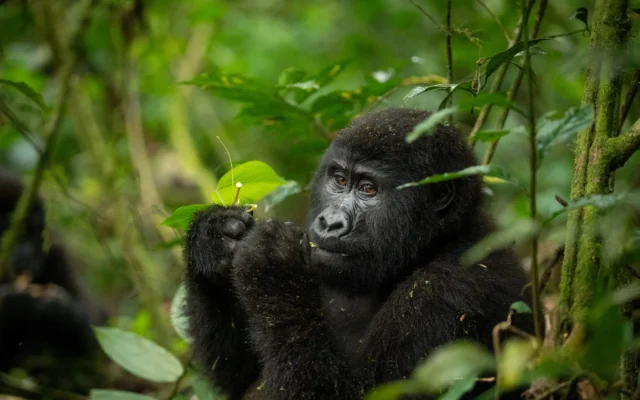
Gorilla trekking in Bwindi Impenetrable National Park and Mgahinga Gorilla National Park is highly popular during peak season.
Advantages include:
- Dry and stable trekking trails.
- Improved hiking conditions.
- Clear forest visibility.
- High success rate of gorilla sightings.
Because demand is high, gorilla permits should be booked well in advance.
Chimpanzee Tracking in Peak Season
Chimpanzee tracking in Kibale Forest and other reserves is also excellent during peak season.
Visitors benefit from:
- Easier forest hiking conditions.
- Active chimpanzee movements.
- Better photography opportunities.
Tracking success rates are generally high during dry months.
Birdwatching in Peak Season
Uganda remains one of Africa’s top birding destinations during peak season.
Birding advantages include:
- Clear visibility in wetlands and forests.
- Active bird behavior near water sources.
- Excellent photographic lighting conditions.
Popular birding locations include Mabamba Swamp, Queen Elizabeth National Park, and Semuliki National Park.
Photography During Peak Season
Peak season offers ideal photography conditions.
Key benefits include:
- Bright natural light.
- Minimal rainfall interruptions.
- Clear landscapes and horizons.
- Stable wildlife viewing conditions.
This makes it the preferred season for wildlife photographers.
Accommodation Availability in Peak Season
Uganda’s lodges and camps experience high demand during peak season.
Visitors can expect:
- Early booking requirements.
- Higher accommodation rates.
- Limited availability in popular parks.
Luxury lodges often fill up months in advance.
Costs During Peak Safari Season
Safari costs tend to increase during peak season due to high demand.
- Budget safaris: USD 200–400 per day.
- Midrange safaris: USD 400–900 per day.
- Luxury safaris: USD 900–3,000+ per day.
Gorilla permits and accommodation are particularly affected by peak pricing demand.
Top Destinations During Peak Season
Bwindi Impenetrable National Park
Best for gorilla trekking in dry forest conditions.
Queen Elizabeth National Park
Ideal for game drives and boat cruises.
Murchison Falls National Park
Known for Nile cruises and powerful waterfalls.
Kibale Forest National Park
Best for chimpanzee tracking experiences.
Lake Mburo National Park
Great for walking safaris and wildlife viewing.
Weather Conditions in Peak Season
Uganda’s peak safari season features:
- Dry weather conditions.
- Warm daytime temperatures.
- Cool evenings and mornings.
- Minimal rainfall interruptions.
These conditions make travel comfortable and predictable.
Advantages of Traveling in Peak Season
- Best wildlife visibility.
- Reliable trekking conditions.
- Safe and accessible park roads.
- High-quality safari experiences.
These benefits make peak season the most popular travel time.
Challenges of Peak Season Travel
Despite its advantages, peak season also has challenges:
- Higher safari costs.
- Limited lodge availability.
- Higher tourist numbers in popular parks.
- Need for early booking.
Planning ahead is essential for a smooth safari experience.
Who Should Travel in Peak Season?
Peak season is ideal for:
- First-time safari travelers.
- Luxury travelers.
- Photographers seeking ideal conditions.
- Gorilla trekking visitors.
It is the most recommended season for guaranteed safari success.
Combining Peak Season Safaris
Peak season safaris can include:
- Gorilla trekking.
- Chimpanzee tracking.
- Game drives.
- Boat cruises.
- Cultural tours.
This creates a complete Uganda safari experience.
Why Book Uganda Peak Season Safaris with Adventure in the Wild Safaris?
At Adventure in the Wild Safaris, we design expertly planned Uganda Peak Safari Season itineraries that maximize wildlife viewing, comfort, and travel efficiency. Our team ensures early booking of lodges, permits, and transport to secure the best possible safari experience.
We specialize in customized itineraries that take full advantage of peak season conditions while avoiding overcrowding and logistical challenges.
Uganda’s peak safari season offers the most reliable and rewarding wildlife experiences, making it the best time to explore the Pearl of Africa.
 Read
Read