Related cultural guides
- Uganda Cultural Tours: Complete Guide to Authentic Cultural Experiences in the Pearl of Africa
- Best Time for Cultural Tours in Uganda
- What to Wear for Uganda Cultural Tours: Complete Dress Guide for Travelers
- Uganda Cultural Safari Packing List: Complete Guide to What to Pack for Your Safari
- Uganda Cultural Tour FAQ: Everything You Need to Know Before Visiting Uganda
- All Uganda cultural guides →
Introduction: Complete Handbook for Exploring Culture in Uganda
Uganda Cultural Travel Guide is your complete reference for understanding, planning, and experiencing Uganda’s rich cultural heritage. Known as the Pearl of Africa, Uganda is home to more than 50 ethnic groups, each with unique traditions, languages, customs, music, dance, and lifestyles that create one of the most diverse cultural landscapes in Africa.
This guide is designed to help travelers understand Uganda’s cultural regions, what to expect, how to behave, what to visit, and how to combine cultural experiences with wildlife safaris for a complete travel experience.
Overview of Uganda’s Cultural Diversity
Uganda’s culture is shaped by its ethnic diversity and historical kingdoms. Each region offers distinct traditions and experiences.
Main cultural regions include:
- Buganda (Central Uganda): Kingdom heritage and royal traditions.
- Bunyoro & Tooro (Western Uganda): Ancient kingdoms and storytelling traditions.
- Ankole (Southwestern Uganda): Cattle culture and pastoral heritage.
- Karamoja (Northeast): Semi-nomadic warrior culture.
- Acholi & Langi (Northern Uganda): Music, dance, and oral traditions.
- Busoga (Eastern Uganda): River-based culture and fishing communities.
What to Expect in Uganda Cultural Travel
Travelers can expect immersive, interactive, and educational experiences including:
- Traditional village life experiences.
- Music and dance performances.
- Storytelling with elders.
- Cultural food preparation and tasting.
- Craft and artisan workshops.
- Visits to historical and royal sites.
These experiences offer deep insight into Uganda’s identity and way of life.
Top Cultural Experiences in Uganda
1. Village Cultural Tours
Experience daily life in rural communities through farming, cooking, and homestead visits.
2. Traditional Music and Dance
Enjoy live performances featuring drums, dance, and storytelling across different tribes.
3. Craft and Artisan Experiences
Learn basket weaving, bead making, wood carving, and other traditional crafts.
4. Storytelling Sessions
Listen to elders share myths, legends, and historical narratives passed down through generations.
5. Culinary Experiences
Explore Ugandan cuisine including matoke, groundnut sauce, and local street foods.
Cultural Travel Regions in Uganda
Central Uganda (Buganda Kingdom)
- Kasubi Tombs UNESCO site.
- Royal palace visits.
- Cultural museums and heritage tours.
Western Uganda
- Batooro and Banyankole cultural experiences.
- Cattle-keeping traditions.
- Batwa forest culture near Bwindi.
Northern Uganda
- Acholi dance and music traditions.
- Community storytelling.
- Post-conflict cultural revival experiences.
Eastern Uganda
- Busoga cultural heritage.
- Fishing communities along Lake Victoria.
- Jinja cultural and adventure tourism.
Northeastern Uganda (Karamoja)
- Karamojong warrior culture.
- Traditional manyatta homesteads.
- Cattle-based pastoral lifestyle.
Combining Culture with Wildlife Safaris
Uganda offers seamless integration of cultural and wildlife experiences:
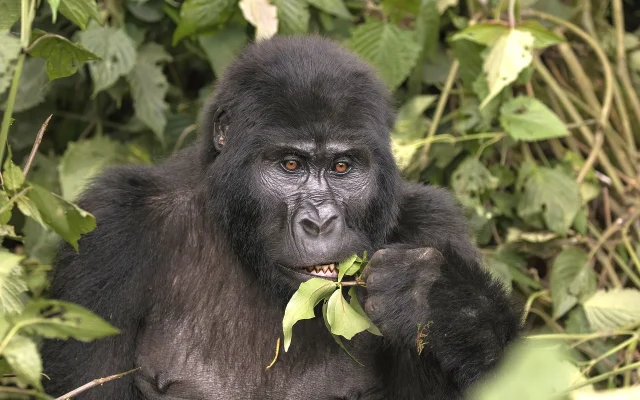
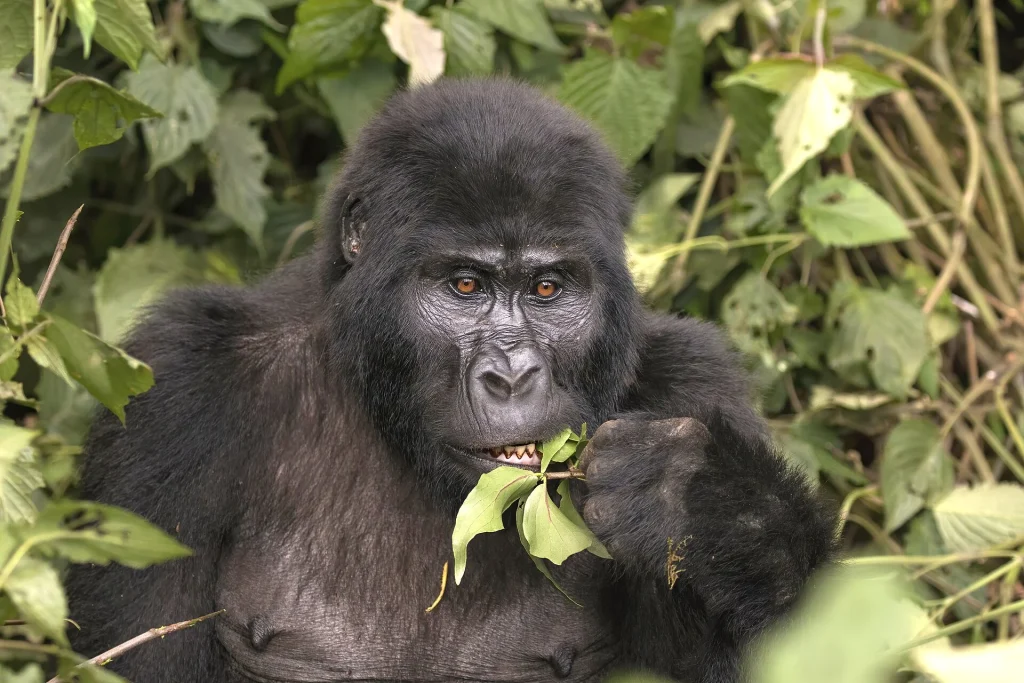
- Gorilla trekking in Bwindi + Batwa culture.
- Queen Elizabeth safari + community visits.
- Kibale chimpanzees + village experiences.
- Murchison Falls safari + cultural storytelling.
Best Time for Cultural Travel in Uganda
Cultural experiences are available year-round, but best during:
- June to August (dry season).
- December to February (peak tourism season).
Rainy seasons offer lush landscapes and fewer tourists.
Uganda Cultural Travel Costs
| Experience Type | Price Range |
|---|---|
| Village Tour | $20 – $50 |
| Cultural Experience (Half-Day) | $50 – $120 |
| Full-Day Cultural Tour | $80 – $150 |
| Multi-Day Cultural Safari | $400 – $3,000+ |
What to Pack for Cultural Travel
- Comfortable walking shoes.
- Modest clothing.
- Light jacket.
- Camera.
- Reusable water bottle.
- Small cash for community support.
Responsible Cultural Tourism
Travelers are encouraged to respect local customs and traditions by:
- Seeking permission before photography.
- Respecting cultural norms and elders.
- Supporting local artisans and communities.
- Engaging respectfully in activities.
Frequently Asked Questions
Is Uganda good for cultural tourism?
Yes, Uganda is one of Africa’s most culturally diverse destinations.
Can I combine cultural tours with safaris?
Yes, cultural experiences are often combined with wildlife safaris.
Are cultural tours family-friendly?
Yes, they are educational and suitable for all ages.
Conclusion
Uganda Cultural Travel Guide provides everything you need to explore Uganda’s rich cultural heritage. From vibrant traditions to immersive community experiences, Uganda offers travelers a deeply authentic and unforgettable journey.
Whether combined with wildlife safaris or explored on its own, cultural travel in Uganda is a powerful way to connect with the heart of Africa.
Regional Culture Map
Uganda’s fifty-plus ethnic groups cluster into distinct geography: Ganda and Soga kingdoms in the centre; Banyoro, Batooro, and Bakiga in the west; Acholi and Langi in the north; Karamojong pastoralists in the northeast; Bagisu on Mount Elgon’s slopes. No single “Ugandan culture” tour covers all—choose regions matching your wildlife route to avoid doubling back across the country.
Central Buganda offers palace history and bark cloth; the west layers crater lakes, tea plantations, and Batwa forest heritage; the north rewards travelers interested in post-conflict recovery narratives and vibrant dance traditions. Remote Karamoja needs extra days and sturdy logistics—rewarding but not a casual day trip from Entebbe.
Respectful Engagement
English is widely spoken in tourism corridors, but learning greetings in Luganda or Rukiga opens warmer interactions. Ask before photographing ceremonies, children, or graves. Dress modestly in villages; see what to wear. Support community tourism enterprises that publish how fees are shared—avoid staged “poverty tourism” without local governance.
Combining Culture and Wildlife
Most travelers add two to four cultural touchpoints to a ten-day safari: Kampala on arrival, Igongo en route to Queen Elizabeth, Batwa after gorillas, and a craft cooperative before departure. Wildlife and cultural safaris explains pacing; workshops suit creative travelers wanting hands-on time.

 Read
Read