Related cultural guides
- Uganda Cultural Tours: Complete Guide to Authentic Cultural Experiences in the Pearl of Africa
- Best Time for Cultural Tours in Uganda
- Uganda Cultural Safari Packing List: Complete Guide to What to Pack for Your Safari
- Uganda Cultural Tour FAQ – Everything You Need to Know Before Visiting Uganda
- Uganda Cultural Safari Planner: Step-by-Step Guide to Designing Your Perfect Safari
- All Uganda cultural guides →
Introduction: Complete Dress Guide for Travelers
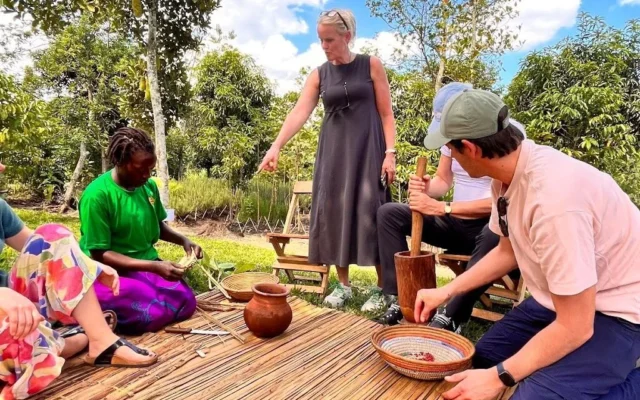
What to Wear for Uganda Cultural Tours is an essential guide for travelers planning to visit Uganda’s rural communities, cultural villages, and heritage sites. Dressing appropriately ensures comfort, respect for local traditions, and a more enjoyable cultural experience.
Uganda is culturally diverse, and different communities may have varying expectations regarding modesty and respectful attire. This guide helps travelers choose suitable clothing for village visits, cultural performances, and community interactions.
General Clothing Guidelines for Cultural Tours
When visiting Ugandan communities, travelers are advised to dress modestly and comfortably. Clothing should respect local customs while allowing ease of movement during walking tours and village visits.
- Lightweight and breathable fabrics are recommended.
- Neutral colors are preferred for cultural and rural settings.
- Modest clothing is important in traditional communities.
Best Clothing for Women
Women should consider the following attire:
- Long skirts or loose-fitting trousers.
- Blouses or tops that cover shoulders.
- Light dresses that are not too revealing.
- A light scarf for added modesty if needed.
Comfort and respect for local culture are key considerations.
Best Clothing for Men
Men are advised to wear:
- Lightweight trousers or jeans.
- T-shirts or collared shirts.
- Comfortable walking shoes or sandals.
Avoid overly casual or overly revealing clothing in rural areas.
Footwear for Cultural Tours
Proper footwear is important for village walking tours:
- Comfortable walking shoes or sneakers.
- Closed shoes for uneven terrain.
- Sandals for short and relaxed visits.
Many cultural tours involve walking through villages and farmland, so sturdy footwear is recommended.
What to Avoid Wearing
To ensure cultural respect, avoid the following:
- Revealing clothing such as short shorts or crop tops.
- Overly flashy or expensive jewelry.
- Heavy formal wear not suitable for rural settings.
Simple and respectful dressing is always appreciated by local communities.
Clothing for Different Weather Conditions
Uganda has a tropical climate, so weather-appropriate clothing is important:
- Light clothing for warm daytime temperatures.
- Rain jacket or poncho during wet seasons.
- Light sweater for cool mornings or evenings.
Layering is recommended for changing weather conditions.
Accessories to Bring
Useful accessories for cultural tours include:
- Hat or cap for sun protection.
- Sunglasses.
- Small backpack for personal items.
- Reusable water bottle.
These items improve comfort during village visits.
Cultural Respect and Dress Code Importance
In many Ugandan communities, dressing modestly is a sign of respect. Proper attire helps build positive interactions with local people and enhances cultural exchange experiences.
Visitors who dress appropriately are often warmly welcomed and more engaged in cultural activities.
Best Time for Cultural Tours
Cultural tours are available year-round, but the best travel conditions are:
- June to August (dry season)
- December to February (peak travel season)
These periods offer easier travel conditions and more comfortable village visits.
Kingdom and Urban Visit Attire
Palace and tomb sites in Buganda expect covered shoulders and knees; remove hats indoors when instructed. Kampala restaurants and hotels are cosmopolitan—village modesty rules relax slightly, but rural day trips still need respectful coverage. Scarves double as sun protection and quick modesty layers when unexpected church stops appear on itineraries.
Combining Safari and Village Wardrobe
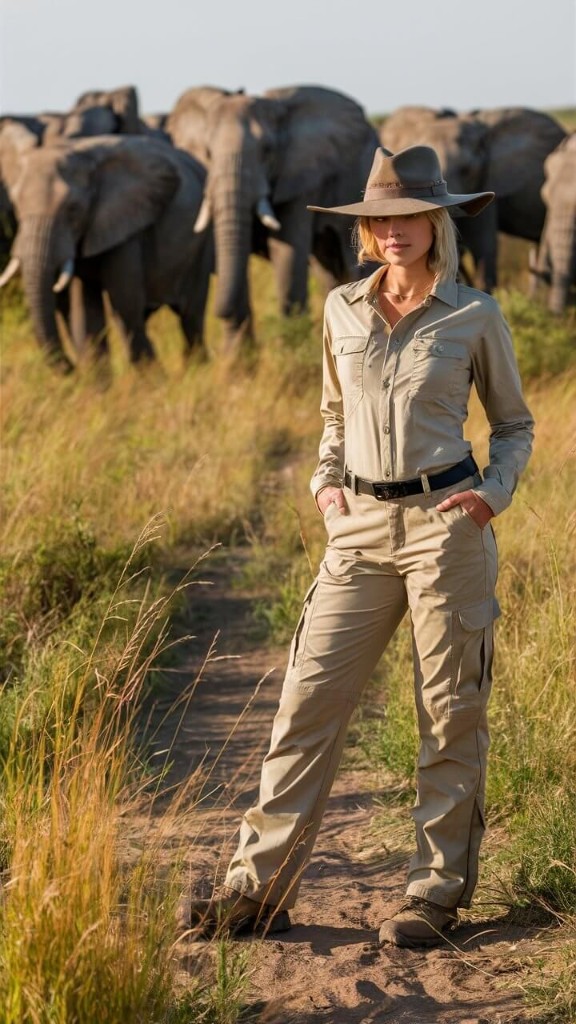
Pack convertible trousers, knee-length skirts, and moisture-wicking shirts that work for both game drives and homestead visits. Bright white shows red dust; neon tourist colours feel out of place in subdued rural settings. Safari boots work for village walks—sandals risk thorns on farm paths.
Gorilla trekking demands long sleeves and gloves regardless of village dress—see packing list and cultural safari packing list to merge wardrobes into one bag. Jewellery attracts attention in markets—leave valuables in lodge safes.
Rainy Season Layers
Light ponchos fit over modest outfits without clinging; umbrellas feel awkward on village footpaths. Quick-dry fabrics beat denim when afternoon storms soak cotton. A spare shirt in the day pack rescues photos after sudden downpours.
Laundry and Re-Wear
Many lodges offer overnight laundry—pack fewer outfits if you plan multi-day village loops from one base. Modest clothing re-wears socially when clean; focus on odor control and stain resistance over fashion variety. Dark colours hide dust from red laterite roads better than pastels on long transfer days between cultural stops.
Operator Questions to Ask
Before confirming a cultural itinerary, ask how community fees are distributed, whether visits are capped per day, and who interprets sensitive topics such as displacement or clan conflict. Reputable operators answer plainly and provide association contacts—not vague assurances of “authenticity.” Request sample day timings showing drive hours versus face-to-face community time; cultural tourism should not become windshield tourism with brief photo stops.
Combining with Wildlife
Most international visitors pair culture with gorilla trekking or savannah game drives. Sequence intensive cultural days on transfer days or rest days between treks—not the evening before a 5 a.m. gorilla briefing. Wildlife and cultural safaris and safari planning help balance species priorities with human heritage without exhausting hosts or guests.

 Read