Related birding guides
- Birding in Uganda: Complete Guide to Africa’s Premier Birdwatching Destination
- Uganda Birding Tours From Entebbe: Best Starting Point for Birdwatching Safaris in Uganda
- Uganda Birding Tours From Kampala: Best City-Based Birdwatching Safaris in Uganda
- Uganda Birding Tours From the USA: Complete Guide for American Birdwatchers Visiting Uganda
- Uganda Birding Tours From the UK: Complete Guide for British Birdwatchers Visiting Uganda
- All Uganda birding guides →
Introduction: Uganda Birding Tours From Australia
Uganda birding tours from Australia appeal to Australian listers completing African families after Kenya or South Africa trips—targeting Shoebill Stork, Albertine Rift endemics, and species absent from Australasia’s unique but isolated avifauna. Flights from Sydney, Melbourne, Brisbane, and Perth route via Dubai, Doha, Singapore, or Johannesburg to Entebbe—typically 24–30 hours total with one or two stops.
Flights From Australia
Emirates/Qatar via Gulf hubs; South African Airways via Johannesburg; Kenya Airways via Nairobi. Return economy AUD 1,800–3,200 depending on season. Allow 2–3 recovery days—southern hemisphere travelers face significant time zone shift before Bwindi forest walks.
Start birding gently: Entebbe Botanical Gardens before Mabamba shoebill—Entebbe guide.
Visa and Health
Uganda eVisa online. Yellow fever certificate if transiting endemic zones—Australian travel clinic consultation. Malaria prophylaxis strongly advised. Comprehensive insurance with evacuation—remote parks justify premium cover. Health requirements.
Timing for Australian Travelers
Australian winter June–August aligns with Uganda dry season—excellent birding, high lodge demand. Australian summer holidays December–January match Uganda migrants and festive peak—book 12 months ahead. Minimum 14 days land time justified given flight investment.
Australian Birder Priorities
- Shoebill — no Australian equivalent
- Great Blue Turaco — riotous color unlike muted bush birds
- African Green Broadbill — Albertine specialty
- Green-breasted Pitta — ground dweller unlike Aussie pittas (none!)
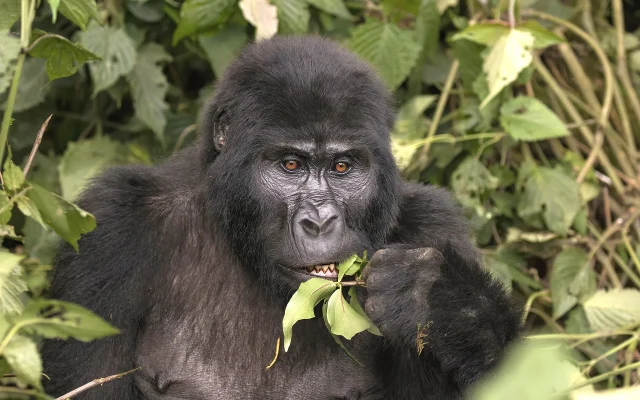
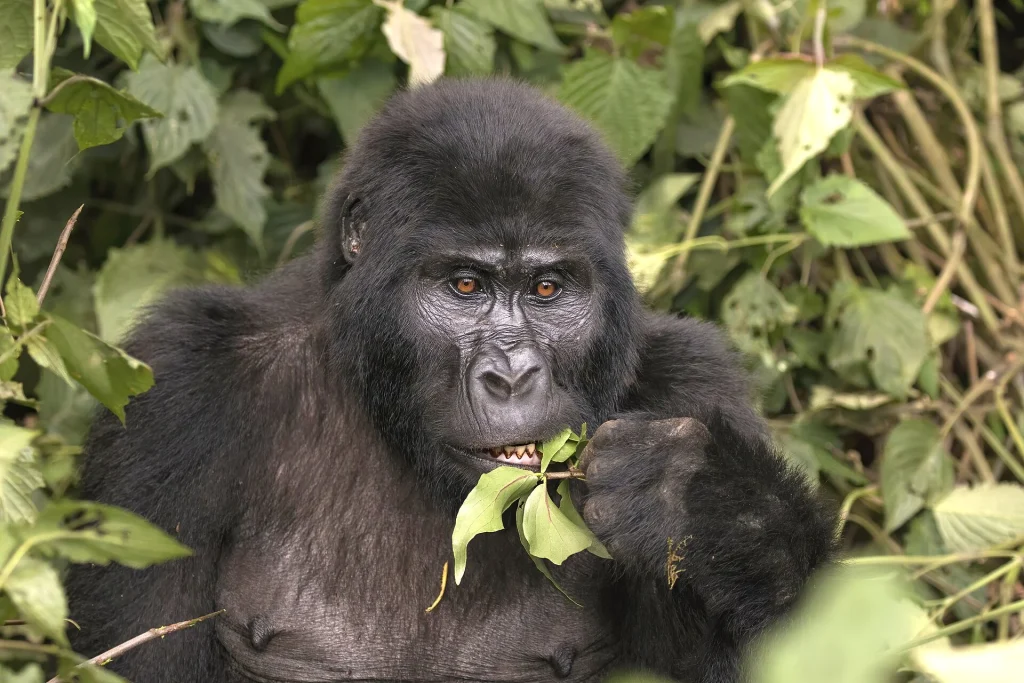
- Gorilla optional — gorilla birding
Compare regional options: vs Kenya, vs Tanzania.
Budget in AUD
Land USD 3,500–7,000 mid-range 12-day—convert at booking rate. International flights often exceed land cost. Value maximization: 12–16 days, specialist guide, package transparency.
Booking From Australia
Australian Africa specialists and UK/EU bird companies accept AU clients; direct Uganda operators communicate via WhatsApp/email. Confirm bird guide qualification. Payment often USD wire—factor fees.
Packing From Long Haul
Uganda uses UK plugs—Australian type I adapters required. Binoculars hand carry. Malaria meds from GP. Packing list.
Field Notes and Further Resources
Successful Uganda birding depends on habitat variety within one itinerary—balance papyrus dawn at Mabamba or the Nile Delta with Kazinga Channel afternoons and Bwindi Ruhija mornings for Albertine Rift targets like African Green Broadbill and Rwenzori Turaco. Specialist guides accelerate identification of greenbuls, cisticolas, and immature raptors that consume hours for self-guided travelers.
Use birding safari FAQ for last-minute questions, travel guide for visas and health, and monthly hubs from January through December when refining dates. Compare neighboring destinations via Kenya, Rwanda, and Tanzania guides if your list still has East African gaps.
Record sightings responsibly on eBird—generalize locations for Shoebill, nesting raptors, and Green-breasted Pitta stakeouts. Community wetlands at Mabamba, Bigodi, and Makanaga depend on fair boat fees and respectful distances; your tourism spend directly funds papyrus stewardship and local guide livelihoods across the Pearl of Africa.
Habitat Deep Dive: Maximizing Species Per Day
Uganda’s birding productivity comes from stacking complementary habitats rather than repeating identical forest walks. Alternate papyrus dawn at Mabamba or the Nile Delta (Shoebill, Papyrus Gonolek, Malachite Kingfisher) with savannah mid-morning in Queen Elizabeth or Murchison (Martial Eagle, Abyssinian Ground Hornbill, Red-throated Bee-eater) and montane listening in Bwindi Ruhija for Rwenzori Turaco and African Green Broadbill. Kazinga Channel boat cruises routinely add dozens of water-associated species in a single afternoon when guides know skimmer sandbars and hippo pod edges where kingfishers hunt.
Budongo Forest Royal Mile adds Guinea–Congo canopy birds without Bwindi’s steepest mud. Lake Mburo suits Red-faced Barbet and African Finfoot on lighter walking days. Semuliki holds Congo Basin specials; Kidepo rewards raptor listers who reach the northeast. Specialist themes—turacos, sunbirds, raptors, waterbirds—map directly onto this habitat mosaic.
Planning Resources and Responsible Birding
Confirm dedicated bird guides, roof-hatch vehicles, and itemized park or boat fees via safari planner, permit guide, and tour cost tools. Pack binoculars and rain gear per packing list; review FAQ and travel guide before flying. Generalize eBird locations for Shoebill, nesting raptors, and pitta stakeouts. Community fees at Mabamba and Bigodi fund wetland stewardship—core to sustainable tourism Uganda.
Conclusion: Long Flight, Lifetime List Gains
Uganda birding tours from Australia demand travel commitment—but Australian birders report among highest trip satisfaction per species gained. Schedule recovery, book 14 days minimum, hire expert guides, and Uganda delivers shoebill and Albertine jewels worth every hour across the Indian Ocean.
Quick Reference: Parks and Species
Mabamba Bay — Shoebill, Papyrus Gonolek. Murchison Falls — Nile Delta shoebill, Martial Eagle, Abyssinian Ground Hornbill. Queen Elizabeth — Kazinga Channel skimmers and pelicans. Kibale — Green-breasted Pitta, Great Blue Turaco. Bwindi Ruhija — African Green Broadbill, Rwenzori Turaco. Ziwa — shoebill stopover en route north. Book via birding tours with specialist guides for highest success on Albertine Rift and papyrus targets across the Pearl of Africa.
Seasonal planning across January, June, and November helps match migrants, dry trails, and breeding vocalizations to your targets. Combine wetland mornings with savannah afternoons and forest walks for balanced daily lists exceeding what single-habitat marathons deliver.

 Read