Introduction: Uganda Electricity Plugs
Uganda Electricity Plugs are an important travel consideration for anyone visiting the Pearl of Africa. Whether you are coming for a cultural tour, wildlife safari, or gorilla trekking experience, understanding Uganda’s power sockets and electricity system will help you keep your devices charged and ready throughout your trip.
This guide explains Uganda’s plug types, voltage system, adapter requirements, and practical tips for travelers staying in cities, lodges, and remote safari areas.
What Type of Electricity Plugs Are Used in Uganda?
Uganda uses the British-style plug system.
- Plug Type: Type G
- Shape: Three rectangular pins
- Standard: UK-style electrical sockets
Travelers from countries using different plug types will need a travel adapter.
Uganda Electricity Voltage
Uganda operates on a standard voltage system suitable for most modern devices.
- Voltage: 240V
- Frequency: 50Hz
Most chargers for phones, cameras, and laptops are dual voltage and will work without issues.
Do You Need a Travel Adapter for Uganda?
Yes. Most international travelers will need a plug adapter.
You will need a:
- Type G adapter (UK-style three-pin plug).
Travelers from Europe, USA, India, and Asia should carry adapters before arrival.
Where to Get Travel Adapters in Uganda
If you forget your adapter, you can purchase one in Uganda at:
- Entebbe International Airport shops.
- Supermarkets in Kampala.
- Electronics stores in major towns.
- Hotels and safari lodges (limited availability).
Electricity Availability in Uganda
Electricity is available across most urban and tourism areas in Uganda.
However, power supply may vary depending on location:
- Urban areas: Stable electricity supply.
- Safari lodges: Generator or solar backup systems.
- Remote parks: Limited electricity availability at certain times.
Charging Devices During Safari Tours
During safari and cultural tours, charging options vary by accommodation type.
Luxury Safari Lodges
- 24-hour electricity access.
- In-room charging points.
- Backup generators.
Midrange Lodges
- Scheduled electricity availability.
- Main charging areas (reception/dining).
- Occasional power backup systems.
Budget Accommodation
- Limited electricity hours.
- Shared charging points.
- Solar or generator backup.
Charging Tips for Travelers in Uganda
- Fully charge devices before safari departures.
- Carry a power bank for remote areas.
- Bring universal travel adapters.
- Use energy-saving modes on devices.
- Charge during available electricity hours in lodges.
Power Outages in Uganda
Occasional power interruptions may occur, especially in rural areas.
Most safari lodges and hotels are equipped with:
- Backup generators.
- Solar power systems.
- Battery storage solutions.
This ensures continuous service during your stay.
Electricity in National Parks
In Uganda’s national parks, electricity is managed carefully to protect the environment.
Common features include:
- Solar-powered eco-lodges.
- Limited charging times.
- Central charging stations in some camps.
Safety Tips for Using Electricity in Uganda
- Use certified adapters only.
- Avoid overloading sockets.
- Do not use damaged charging cables.
- Charge devices in secure areas.
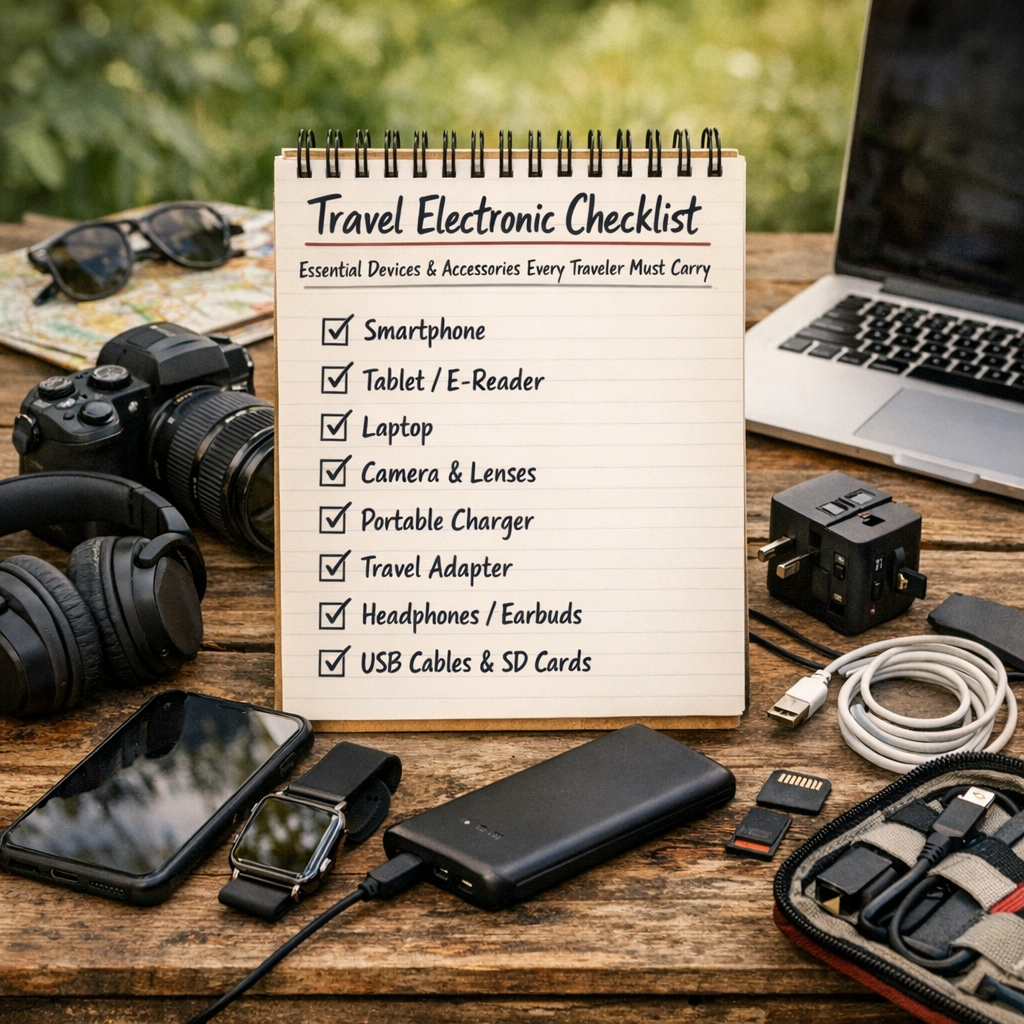
Best Devices to Carry for Uganda Travel
- Smartphone with offline maps.
- Camera with spare batteries.
- Power bank (10,000–20,000 mAh recommended).
- Universal travel adapter.
- Flashlight or headlamp for remote lodges.
Frequently Asked Questions About Uganda Electricity Plugs
What plug type is used in Uganda?
Uganda uses Type G (UK-style three-pin plugs).
Do I need a converter for Uganda?
Most modern devices do not need a voltage converter, only a plug adapter.
Is electricity stable in Uganda?
Yes in cities, but safari lodges often use backup systems in remote areas.
Can I charge my phone during safaris?
Yes, but charging availability depends on the lodge type and location.
Conclusion
Uganda Electricity Plugs follow the UK-style Type G system with 240V power supply. Travelers should carry a suitable adapter and a power bank for convenience, especially when visiting remote safari destinations.
With proper preparation, charging devices in Uganda is simple and reliable across most tourism areas.
Power Reliability on Safari
Urban hotels and mid-range lodges usually offer 24-hour power or generator backup; remote bush camps may limit charging to set evening hours. Solar-hybrid properties are common near Bwindi and Kidepo—pack patience and a headlamp for nighttime paths.
Charging Cameras and Laptops
Photographers should carry a multi-port USB charger, spare batteries, and a 10,000+ mAh power bank. Laptop users need 100–240 V universal adapters with Type G pins. Surge-protected strips help in older buildings. More field tips live in photography safaris and packing list.
Voltage and Device Safety
Uganda runs 240 V / 50 Hz—North American 120 V-only devices need transformers, not just plug adapters. Phone and camera chargers are typically dual-voltage. Confirm rental car USB outlets if self-driving; see self-drive safaris for vehicle prep.
Lodges and Camps
Ask lodges whether rooms offer 24-hour power or scheduled generator hours before arrival—charging gorilla camera batteries overnight matters. Candle-lit eco-camps may lack outlets entirely; plan accordingly with power banks.
Packing Electrical Checklist
Pack one Type G adapter per person if charging multiple devices overnight. A four-port USB hub reduces adapter clutter. Label cables—lodges see mixed-up chargers weekly. Consider a compact travel power strip when sharing one outlet in budget twin rooms.

 Read
Read