Introduction: Uganda Travel Insurance
Uganda Travel Insurance is an essential part of planning a safari or holiday in Uganda. It protects travelers against unexpected events such as medical emergencies, trip cancellations, lost luggage, and evacuation needs while exploring the Pearl of Africa.
Whether you are going on a gorilla trekking adventure, wildlife safari, or cultural tour, having reliable travel insurance ensures peace of mind throughout your journey.
Why You Need Travel Insurance for Uganda
- Coverage for medical emergencies and hospital treatment.
- Emergency evacuation from remote safari locations.
- Protection against trip cancellation or delays.
- Coverage for lost or stolen luggage.
- Peace of mind during adventurous activities like trekking.
What Uganda Travel Insurance Should Cover
1. Medical Coverage
Ensure your policy covers hospital visits, treatment, and emergency care.
2. Emergency Evacuation
Important for safaris in remote areas like Bwindi or Murchison Falls.
3. Trip Cancellation
Reimbursement if your trip is canceled due to illness or unforeseen events.
4. Lost or Delayed Luggage
Compensation for missing or delayed baggage.
5. Adventure Activities Coverage
Must include gorilla trekking, hiking, and safari activities.
Recommended Insurance for Uganda Safaris
- International travel insurance providers.
- Comprehensive multi-risk safari insurance policies.
- Policies that include Africa or adventure travel coverage.
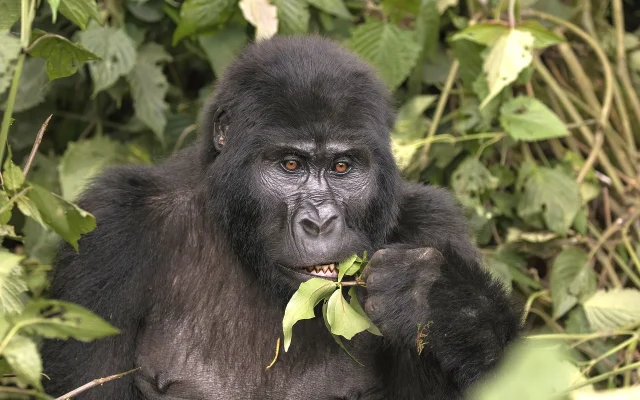
Gorilla Trekking and Insurance
Gorilla trekking is one of the most important activities to ensure coverage for.
- Physical trekking in forest terrain.
- Remote location access requiring evacuation support.
- Non-refundable gorilla permit costs.
Tip: Always confirm that your insurance covers high-altitude trekking and wildlife encounters.
Cost of Uganda Travel Insurance
Travel insurance costs depend on duration, coverage level, and traveler age.
| Trip Type | Insurance Cost Range |
|---|---|
| Short Trip (3–7 days) | $30 – $80 |
| Medium Trip (7–14 days) | $80 – $150 |
| Long Trip (2+ weeks) | $150 – $300+ |
What Travel Insurance Typically Does NOT Cover
- Pre-existing conditions (unless included).
- High-risk activities not listed in policy.
- Unapproved travel disruptions.
- Negligence or reckless behavior.
Tips for Choosing Travel Insurance for Uganda
- Choose policies that cover East Africa specifically.
- Ensure emergency evacuation is included.
- Check coverage for safari and trekking activities.
- Read exclusions carefully before purchasing.
- Keep a digital and printed copy of your policy.
Health and Safety in Uganda
- Uganda is generally safe for tourists with proper planning.
- Medical facilities are available in major cities.
- Remote safari areas may require evacuation support.
- Malaria prevention is recommended.
Best Time to Travel Safely
- June to August (dry season and peak safari period).
- December to February (good travel conditions).
Frequently Asked Questions
Is travel insurance required for Uganda?
It is not mandatory, but strongly recommended for all travelers.
Does insurance cover gorilla trekking?
Yes, but only if adventure activities are included in the policy.
Is medical evacuation included?
Only in comprehensive travel insurance plans.
Can I buy insurance after booking my trip?
Yes, but it is better to purchase it early.
Conclusion
Uganda Travel Insurance is an important safeguard for anyone visiting the country. It ensures protection against unexpected events and supports safe, worry-free travel during your safari or holiday.
With the right insurance, you can fully enjoy Uganda’s wildlife, culture, and adventure experiences with confidence.
What Policy Should Cover?
Medical expenses, emergency evacuation (air ambulance from Bwindi or Kidepo), trip cancellation, lost baggage, and adventure activities (gorilla trekking, rafting, motorbiking) should be explicitly covered. Standard credit-card travel benefits often exclude trekking above certain altitudes—read exclusions.
Evacuation Reality in Remote Parks
Ground transfers to Kampala hospitals can take 8+ hours from southwest parks; helicopter evacuation requires insurance that prepays or guarantees payment. Save insurer hotline in phone favorites and share policy number with your operator.
Buying and Claiming
Purchase within 14–21 days of first trip deposit for pre-existing condition waivers where offered. Keep receipts for permits and lodges for cancellation claims. Pair with emergency contacts, health requirements, and travel checklist.
Adventure Riders
White-water rafting, quad biking, and motorbike tours need explicit policy coverage—generic policies may exclude them unless adventure pack purchased.
Pre-Existing Conditions
Declare heart conditions, diabetes, and mobility limits when buying policy—some evacuation insurers refuse high-risk treks without medical clearance forms. Carry summary physician letter listing stable conditions and medications.
Gear and Electronics Cover
Camera and laptop riders cap payouts—photographers should list serial numbers and insure gear separately if policy limits are low.
Some policies exclude travel to specific border regions—declare Kidepo or DRC-adjacent routing if applicable to your itinerary.
Planning Your Next Steps
Uganda rewards travelers who book permits early, pack for equatorial weather swings, and choose realistic drive times between parks. Cross-check this guide with our Uganda travel guide, safari planning workflow, and travel tips before you confirm flights. Gorilla and chimp dates should anchor your calendar; everything else—lodges, vehicles, cultural stops—fits around those fixed permit mornings.
Licensed operators provide itemised quotes separating park fees, permits, and lodging so you compare offers fairly. Shoulder seasons often deliver excellent wildlife with fewer vehicles on savannah tracks and more permit flexibility in the forest. Travel insurance, yellow fever documentation, and a working local SIM remain essentials regardless of month or budget tier.
 Read
Read