Introduction: Uganda Safari Planning
Uganda Safari Planning is the foundation of a successful and enjoyable wildlife experience in the “Pearl of Africa.” Proper planning ensures smooth logistics, well-organized itineraries, and the best possible wildlife encounters across Uganda’s national parks.
From gorilla trekking in Bwindi Impenetrable National Park to game drives in Queen Elizabeth National Park and boat safaris on the Nile River, Uganda offers diverse safari experiences that require thoughtful preparation.
This comprehensive guide explains everything you need to know about planning a Uganda safari, including budgeting, itinerary design, transport, accommodation, permits, and expert travel tips.
Step 1: Choose Your Safari Type
The first step in Uganda safari planning is deciding what type of safari you want:
- Wildlife safari: Focus on big game viewing
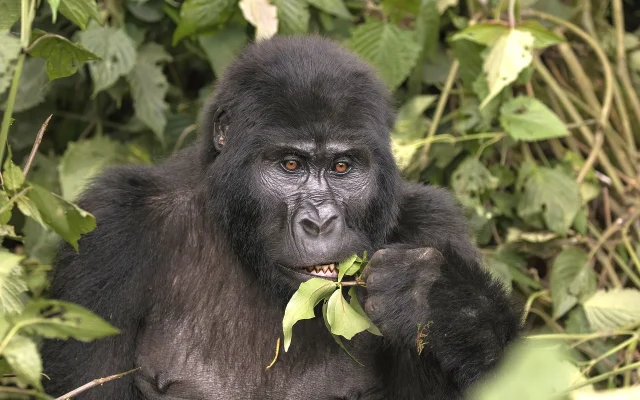
- Gorilla trekking safari: Mountain gorillas in Bwindi or Mgahinga
- Birding safari: Over 1,000 bird species across Uganda
- Photography safari: Focus on landscapes and wildlife images
- Adventure safari: Includes hiking, rafting, and cultural tours
Step 2: Decide on Travel Dates
Uganda can be visited year-round, but timing affects experience:
- Dry season (best wildlife viewing): June–August, December–February
- Wet season (best birding and scenery): March–May, October–November
Your safari goals should guide your travel season.
Step 3: Create Your Safari Itinerary
A well-balanced itinerary typically includes:
- 1–2 days in Entebbe or Kampala
- 2–3 days in savannah parks (Queen Elizabeth or Murchison Falls)
- 2–3 days for gorilla trekking in Bwindi
- Optional birding or cultural experiences
Multi-park itineraries maximize wildlife diversity.
Step 4: Book Gorilla Permits Early
Gorilla trekking permits are limited and must be secured in advance.
- Issued by Uganda Wildlife Authority
- Highly demanded year-round
- Required for Bwindi and Mgahinga treks
Early booking ensures availability and preferred trekking sectors.
Step 5: Choose Accommodation
Uganda offers accommodation options for all budgets:
- Budget lodges: Basic but comfortable
- Mid-range lodges: Best value for most travelers
- Luxury lodges: Premium safari experience
Lodges near national parks reduce travel time and improve safari efficiency.
Step 6: Arrange Transportation
Transport is a key part of safari planning:
- 4×4 safari vehicles for park travel
- Domestic flights for long distances
- Boat transport for river and wetland safaris
Proper transport ensures comfort and timely game drives.
Step 7: Budget Your Safari
Typical safari budgets vary depending on style:
- Budget safaris: USD 150–250 per day
- Mid-range safaris: USD 250–500 per day
- Luxury safaris: USD 500–1,500+ per day
Budget should include transport, accommodation, permits, and park fees.
Step 8: Prepare Travel Documents
- Valid passport (6 months validity)
- Uganda tourist visa or East Africa visa
- Yellow fever vaccination certificate
- Travel insurance (recommended)
Step 9: Pack Appropriately
- Lightweight clothing for daytime
- Warm layers for early mornings
- Rain jacket (depending on season)
- Binoculars for birding
- Camera with zoom lens
Step 10: Work With a Licensed Tour Operator
A professional tour operator ensures:
- Well-organized itineraries
- Expert guides and drivers
- Permit booking assistance
- Reliable logistics support
Common Safari Planning Mistakes
- Booking permits too late
- Underestimating travel times
- Poor seasonal planning
- Choosing rushed itineraries
Conclusion: Successful Uganda Safari Planning
Uganda Safari Planning is essential for creating a smooth and unforgettable safari experience. With proper preparation, travelers can enjoy Uganda’s incredible wildlife, diverse landscapes, and rich birdlife without logistical challenges.
From gorilla trekking in Bwindi to game drives in Queen Elizabeth National Park and birding at Mabamba Swamp, well-planned safaris ensure maximum enjoyment and unforgettable memories.
Ten-Step Planning Workflow
- Pick travel month and duration using safari calendar.
- Reserve gorilla/chimp permits when dates are firm.
- Book international flights to Entebbe (or Kigali for southwest routing).
- Apply eVisa and arrange yellow fever certificate.
- Choose operator or self-drive plan; get itemised quote.
- Confirm lodges match permit sectors.
- Buy travel insurance with evacuation cover.
- Complete packing and checklist.
- Register SIM on arrival; share itinerary with family.
- Carry printed permits and passport copies on trek days.
Drive-Time Reality Check
Kampala to Bwindi is 8–10 hours road; Entebbe to Murchison 5–6 hours. Fly-in segments save days on tight schedules. Map routes before adding “one more park.”
Budget and Style Decisions
Decide budget tier early—it drives lodge shortlists and vehicle choice. Compare safari cost, group versus private options, and activities you will actually have days for.
Post-Booking Checks
Two weeks before departure, reconfirm permit names, flight delays with driver, and lodge dinner times for trekking days requiring 5 am breakfasts. Small confirmations prevent expensive morning chaos.
Sample Seven-Day Outline
Day 1 Entebbe; Day 2–3 Murchison; Day 4 Kibale; Day 5 chimps; Day 6 Queen boat; Day 7 drive toward Bwindi or fly out if skipping gorillas. Add three days minimum for gorilla trek plus buffer weather day in southwest.
Contingency Days
Weather or muddy roads delay Bwindi transfers—one buffer day between gorilla trek and international flight reduces missed-connection stress. Fly-in guests still need buffer for AeroLink weather cancellations.
Export itinerary PDF to offline phone storage—cell signal drops between Murchison and Kibale. Share copy with embassy registration if your country offers traveler enrollment programs.
Planning Your Next Steps
Uganda rewards travelers who book permits early, pack for equatorial weather swings, and choose realistic drive times between parks. Cross-check this guide with our Uganda travel guide, safari planning workflow, and travel tips before you confirm flights. Gorilla and chimp dates should anchor your calendar; everything else—lodges, vehicles, cultural stops—fits around those fixed permit mornings.
Licensed operators provide itemised quotes separating park fees, permits, and lodging so you compare offers fairly. Shoulder seasons often deliver excellent wildlife with fewer vehicles on savannah tracks and more permit flexibility in the forest. Travel insurance, yellow fever documentation, and a working local SIM remain essentials regardless of month or budget tier.
 Read
Read