Nyungwe National Park is Rwanda’s premier montane rainforest destination and one of Africa’s most important Albertine Rift wilderness areas. Famous for chimpanzee trekking, the iconic canopy walkway, extraordinary primate diversity, and some of the continent’s richest highland birdlife, this ancient forest park rewards travelers who want depth beyond Rwanda’s celebrated gorilla experience.
Covering roughly 1,019 square kilometres along Rwanda’s southwestern border with Burundi, Nyungwe National Park protects one of the largest remaining tracts of montane rainforest in East Africa. The forest survived the last Ice Age, making it among the oldest rainforest ecosystems on the continent — a living archive of Albertine Rift biodiversity where thirteen primate species, more than three hundred bird species, and layered mossy canopy create an atmosphere utterly different from savannah parks.
For many visitors, the headline is chimpanzee trekking in Nyungwe, where habituated communities are tracked through steep, misty forest under Rwanda Development Board ranger guidance. Others come for the Nyungwe canopy walk — a suspension bridge up to seventy metres above the forest floor — or for colobus monkey troops, waterfall hikes, and specialist Albertine Rift birding.
This destination combines naturally with Lake Kivu for post-trek relaxation, Volcanoes National Park for mountain gorillas, Kigali as the international gateway, Akagera National Park for classic Big Five savannah, and Gishwati-Mukura National Park for a quieter western forest add-on.
Whether you are building a focused primate itinerary, a complete Rwanda safari circuit, or a cross-border East Africa route, Nyungwe National Park safaris deliver rainforest immersion that balances perfectly with lakeside recovery and volcanic gorilla trekking.
Quick Facts About Nyungwe National Park
| Feature | Details |
|---|---|
| Location | Southwestern Rwanda · Albertine Rift |
| Established | 2004 (national park; forest reserve protection from 1933) |
| Size | Approximately 1,019 square kilometres |
| Main Attractions | Chimpanzee trekking, canopy walkway, colobus tracking, birding, hiking |
| Ecosystem | Montane rainforest, bamboo zones, swamp and stream networks |
| Primate Species | 13 species recorded |
| Chimpanzees | Approximately 500 individuals in the park |
| Bird Species | 322+ recorded · 29 Albertine Rift endemics |
| Best Time to Visit | June to September & December to February (drier trekking) |
| Visitor Centres | Uwinka, Gisakura |
| Drive from Kigali | Roughly 5–6 hours (220–230 km) |
Overview of Nyungwe National Park
Nyungwe National Park anchors the western leg of Rwanda’s conservation story — the rainforest counterpart to Volcanoes National Park volcanoes and Akagera National Park savannah. Where gorilla trekking delivers intimate mountain forest encounters on bamboo slopes, Nyungwe offers scale: ridges wrapped in cloud, vast watershed forests feeding both the Congo and Nile basins, and trail networks that feel genuinely remote despite Rwanda’s efficient road network.
The park sits on the Albertine Rift escarpment, where elevation, rainfall, and geological history produced exceptional species richness. Montane forest grades into bamboo on higher slopes; streams cut deep valleys; Cyamudongo — a smaller forest block annexed to the park — holds dense chimpanzee habitat that many trackers prefer for sightings. Understanding Nyungwe as a system of ridges, swamps, and forest patches explains why activities scatter across Uwinka, Gisakura, and Cyamudongo rather than clustering at a single gate like a compact savannah park.

What distinguishes Nyungwe safaris is primate density combined with visitor infrastructure that Rwanda has invested in deliberately. Suspension bridges, interpreted trails, ranger-led treks, and a growing lodge portfolio make a complex forest accessible without diluting wilderness character. Tourism revenue supports anti-poaching, research, and community programmes — part of why Rwanda positions Nyungwe as essential on any serious nature itinerary, not an optional add-on after gorillas.
The forest’s age matters ecologically and emotionally. Nyungwe is not regenerating secondary growth; it is ancient montane rainforest that persisted when much of Africa’s forests retreated. Walking here means moving through habitat that shaped Albertine Rift evolution — home to owl-faced monkeys, Rwenzori colobus troops, grey-cheeked mangabeys, and vocal chimpanzee communities whose pant-hoots carry across valleys.
Travelers often route Nyungwe National Park after Kigali cultural time, between Lake Kivu lakeside nights, and before or after Volcanoes National Park gorilla permits. Birders extend stays; photographers chase mist and moss; families with teenagers take canopy walks when full chimp treks demand more fitness. The honest framing: Nyungwe rewards two to three nights minimum — one night barely covers transfer fatigue and a single activity slot.
Why Visit Nyungwe National Park?
Nyungwe National Park answers a question many Rwanda itineraries overlook: what happens after gorillas? The park delivers a second flagship wildlife experience — rainforest primates, Albertine Rift birds, and aerial forest perspective — without leaving the country.
World-Class Chimpanzee Trekking
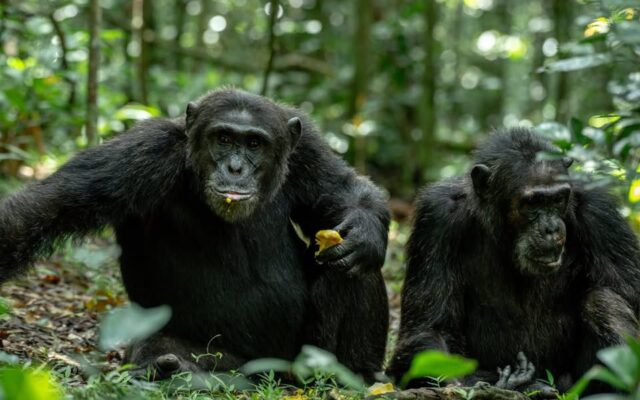
Chimpanzee trekking in Nyungwe ranks among East Africa’s strongest forest primate experiences. Habituated communities in the main forest and Cyamudongo allow regulated tracking with skilled rangers. Chimps move fast, vocalize constantly, and display complex social behaviour — encounters feel dynamic compared with the calmer viewing rhythm of mountain gorillas.
The Nyungwe Canopy Walkway
The suspension bridge at Uwinka is Rwanda’s most photographed forest experience after gorillas. At up to seventy metres above the ground, the walkway reveals orchids, birds, and colobus movement at eye level — a perspective impossible from the forest floor. It suits a wide range of fitness levels when combined with the short access trail.
Thirteen Primate Species
Beyond chimps, Nyungwe holds Rwenzori colobus, L’Hoest’s monkey, grey-cheeked mangabey, owl-faced monkey, red-tailed monkey, blue monkey, vervet, olive baboon, and more. Colobus monkey trekking targets spectacular black-and-white troops that sometimes exceed three hundred individuals — among Africa’s largest primate aggregations.
Albertine Rift Birding
With 322+ species including 29 Albertine Rift endemics, Nyungwe is non-negotiable for serious East African listers. Red-collared mountain babbler, Rwenzori turaco, handsome francolin, and numerous forest specialists reward patient mornings with expert guides.
Ancient Montane Rainforest
Nyungwe’s Ice Age survival gives the forest ecological gravitas. Trails pass giant tree ferns, moss-draped branches, and stream crossings that feel archetypally Central African — yet reached on paved roads from one of Africa’s safest capital cities.
Perfect Rwanda Circuit Fit
Nyungwe slots between Lake Kivu recovery days, Volcanoes gorilla trekking, and eastern Akagera wildlife. Western routing via Karongi or Huye (Butare) turns transfers into scenic journeys through Rwanda’s hill country.
Top Things to Do in Nyungwe National Park
Nyungwe National Park activities centre on guided forest experiences. Permits and ranger escorts apply to most wildlife activities; self-guided access is limited to specific trails near visitor centres.
Chimpanzee Trekking
Early-morning treks from Cyamudongo or main-forest briefing points. Allow a full morning; fitness and sturdy footwear essential.
Canopy Walkway
Suspension bridge experience at Uwinka — often paired with a shorter forest walk the same day.
Colobus Monkey Trekking
Track habituated Rwenzori colobus troops for close-up primate photography and behaviour observation.
Bird Watching
Forest-edge and interior trails with specialist birding guides; dawn starts maximise activity.
Waterfall & Hiking Trails
Trails including Isumo Waterfall and ridge routes vary in length and difficulty — ask rangers for current conditions.
Tea Plantation Visits
Surrounding tea estates offer cultural contrast and panoramic views over forested ridges toward Lake Kivu.
See all things to do in Nyungwe National Park
Chimpanzee Trekking in Nyungwe National Park
Chimpanzee trekking in Nyungwe begins before dawn. Visitors report to briefing centres — commonly Cyamudongo for many habituated groups, or main-forest sectors depending on RDB scheduling — for orientation on trekking rules, chimp behaviour, and forest safety. Groups are small; rangers radio-track habituated communities through steep terrain where trails may be muddy, rooty, and slippery year-round.
Trek duration varies from under an hour to several hours depending on chimp movement, weather, and which community is active. Unlike gorilla viewing, chimps may travel quickly through canopy — expect movement, vocalization, and occasional frustrating gaps in sightlines before rewarding observation periods.
Rwanda Development Board permits are required and should be booked through licensed operators, especially for June–September and December–February peaks. Confirm current permit fees and Cyamudongo versus main-forest allocation when building your itinerary — logistics differ and drive times from lodges vary significantly.
Packing essentials: waterproof hiking boots, gaiters in wet months, long trousers, long sleeves, gloves optional, rain jacket, daypack with water and snacks, binoculars. A walking stick helps on descents. Photography is rewarding but challenging in low light — no flash, maintain ranger-directed distance.
Chimp trekking pairs well with afternoon canopy walks or colobus tracking on separate days rather than stacking strenuous activities same-day. After gorilla trekking at Volcanoes, allow recovery before Nyungwe’s steeper forest slopes — many travelers place Lake Kivu between the two.
The Nyungwe Canopy Walkway
The Nyungwe canopy walk at Uwinka Visitor Centre is a 160-metre suspension bridge section reaching up to seventy metres above the forest floor. Opened to tourism in 2010, it remains one of only a handful of canopy experiences in East Africa at this scale — a legitimate highlight, not a gimmick.
Access involves a guided forest walk to the bridge; the full experience typically takes two to three hours including briefing. Vertigo-sensitive travelers should consider the exposure honestly — the bridge is secure and professionally maintained, but the height is real. Children above minimum age limits (confirm current RDB rules) often enjoy the adventure when accompanied responsibly.
Morning slots offer softer light and bird activity; mist frequently drifts through valleys, creating atmospheric photography conditions. Combine with birding along the Igishigishigi trail or visitor-centre viewpoints for a full Uwinka day without chimp permit competition.
Wildlife & Primates in Nyungwe National Park
Nyungwe National Park wildlife is primate-first. Approximately five hundred chimpanzees inhabit the forest, alongside thirteen primate species including the charismatic Rwenzori colobus, elusive owl-faced monkey, L’Hoest’s monkey, grey-cheeked mangabey, Dent’s mona monkey, red-tailed and blue monkeys, vervet, and olive baboon on forest margins.
Large savannah mammals are absent — this is not Akagera. Forest elephants historically ranged here; signs are rare for visitors. Duikers, giant forest hogs, servals, and varied rodents occur but require luck and guide skill. The ecological headline is primate and bird richness within intact montane forest.
Colobus monkey trekking offers reliable close encounters with habituated troops — black, white, and russet coats against green canopy make exceptional photographs. Mangabey and L’Hoest’s sightings often come as rewarding surprises on general forest walks.
Explore wildlife and primates in Nyungwe National Park
Bird Watching in Nyungwe National Park
Bird watching in Nyungwe targets Albertine Rift endemics found nowhere else on a standard East Africa route. Red-collared mountain babbler, Rwenzori turaco, handsome francolin, yellow-eyed black flycatcher, and Grauer’s warbler represent the specialist list; broader forest families include hornbills, barbets, sunbirds, robins, and raptors soaring along ridges.
Ear-birding matters as much as scanning — dense canopy hides colour. Local birding guides who know stakeouts and calls transform half-day walks into serious listing sessions. Pair Nyungwe with Gishwati-Mukura or Volcanoes buffer forest for complementary altitude and habitat mixes on extended Rwanda birding safaris.
Read our Nyungwe bird watching guide
Best Time to Visit Nyungwe National Park
The best time to visit Nyungwe balances trekking comfort, permit availability, and wider Rwanda seasonality. Chimpanzee trekking operates year-round, but forest trails are noticeably easier in drier months.
Dry Season Windows
- June to September — most popular trekking window; book permits and lodges early.
- December to February — second dry peak; holiday demand raises prices around Christmas and New Year.
Wet Season Considerations
March to May and October to November bring heavier rain, mist, and muddier slopes — physically harder treks but lush scenery, strong bird activity, and fewer visitors at times. Photography can excel when cloud light softens the understorey.
Mornings are coolest and best for chimps and birds regardless of month. Afternoon downpours are common — schedule canopy walks and shorter trails earlier in the day during rainy peaks.
Month-by-month Nyungwe planning guide
How to Get to Nyungwe National Park
Most visitors reach Nyungwe National Park by road from Kigali — approximately 220–230 kilometres and five to six hours depending on route, stops, and lodge location. Two common approaches: south via Huye (Butare) and the park’s eastern access, or west via Muhanga and Lake Kivu shores toward Gisakura and Uwinka.
From Kigali
Paved highways make Nyungwe one of Africa’s more accessible major rainforests relative to its biodiversity. Organized safaris coordinate permits, lodge check-in, and activity briefings; self-drivers should pre-book permits and confirm final access roads to forest lodges — some property approaches are steep and narrow.
From Lake Kivu
Lake Kivu towns — Rubavu (Gisenyi), Karongi (Kibuye), or Rusizi — offer natural routing for travelers decompressing after gorillas or breaking the Kigali–Nyungwe drive. Transfer times vary from two to four hours depending on lakeside start point and whether you approach Uwinka or Gisakura sectors.
From Volcanoes National Park
Gorilla travelers often route Volcanoes → Lake Kivu → Nyungwe, or Volcanoes → Kigali → Nyungwe if time is short. Direct western transfers without Kivu are long full-day drives — plan realistically.
From Akagera National Park
Eastern savannah safaris at Akagera typically reconnect through Kigali before heading southwest — allow two travel days for Akagera–Nyungwe combinations rather than forcing a single marathon drive.
Detailed how to get to Nyungwe guide
Where to Stay in Nyungwe National Park
Accommodation near Nyungwe National Park clusters around Gisakura (western approach, close to Cyamudongo access) and ridge properties with views toward forest and Lake Kivu. One&Only Nyungwe House set a luxury benchmark; Nyungwe Top View Hill Hotel and Gisakura Guest House serve mid-range and budget segments; Kitabi EcoCenter and emerging community lodges broaden choice.
Lodge location determines morning drive time to briefing points — confirm Cyamudongo versus Uwinka distances when booking chimp and canopy permits. Two nights minimum at forest-edge properties beats one rushed night after a long Kigali transfer.
Luxury travelers often pair Nyungwe House with Lake Kivu resorts and Volcanoes lodges on premium Rwanda circuits. Mid-range itineraries mix Top View or Gisakura with Karongi lakeside hotels for cost-balanced routing.
Nyungwe Safari Tours & Sample Itineraries
Nyungwe safari tours integrate into Rwanda’s classic arcs: primates and lake, primates and savannah, or compact western loops.
5-Day Rwanda Primates & Forest
Kigali → Nyungwe (chimp trek + canopy walk) → Lake Kivu → Volcanoes gorilla trek → Kigali. The essential western circuit.
7-Day Complete Rwanda
Add Akagera for Big Five contrast — forest chimps, savannah lions and elephants, volcanic gorillas, lakeside recovery.
3-Day Nyungwe Focus
Kigali → two forest nights with chimp trek, colobus tracking, and birding — ideal extension after regional travel.
Licensed operators handle RDB permits, lodge booking, and logical sequencing — critical when gorilla, chimp, and canopy permits must align across multiple parks.
Nyungwe National Park FAQs
- Is Nyungwe National Park worth visiting?
-
Yes — Nyungwe National Park is among Africa’s finest montane rainforest destinations. Chimpanzee trekking, the canopy walkway, thirteen primate species, and Albertine Rift birding make it essential on any serious Rwanda nature itinerary beyond gorillas alone.
- How many days do I need for Nyungwe?
-
Allow at least two nights for one chimp trek plus a canopy walk or colobus tracking. Three nights suit birders, photographers, or travelers combining Cyamudongo and Uwinka sectors without rushing transfers from Kigali or Lake Kivu.
- Can I combine Nyungwe with gorilla trekking?
-
Yes — the classic western Rwanda route links Nyungwe with Volcanoes National Park, often with Lake Kivu rest nights between strenuous forest days. Licensed operators sequence permits and drives realistically.
- How far is Nyungwe from Kigali?
-
Roughly 220–230 km by road — typically five to six hours depending on route (via Huye or via western highlands) and lodge location relative to Uwinka or Gisakura briefing points.
- Is the Nyungwe canopy walk worth it?
-
For most visitors, yes. The suspension bridge reaches up to seventy metres above the forest floor — a rare perspective on montane rainforest birds, orchids, and colobus movement. It suits a wider fitness range than chimp trekking when heights are comfortable.
- When is the best time to visit Nyungwe?
-
Drier months — roughly June to September and December to February — offer easier forest trails. Trekking runs year-round; wet seasons bring mud but lush scenery and strong bird activity.
Nearby Destinations to Combine with Nyungwe National Park
Nyungwe’s southwestern position makes it a natural anchor for western Rwanda — pairing rainforest with lakeside rest, gorilla highlands, eastern wildlife, and smaller forest reserves on the same visa itinerary.
Lake Kivu
Lakeside relaxation between forest treks — boat trips, shoreline lodges, and scenic drives linking Nyungwe to Volcanoes.
Kigali
International gateway and cultural capital — start or end Rwanda itineraries before the southwest forest drive.
Volcanoes National Park
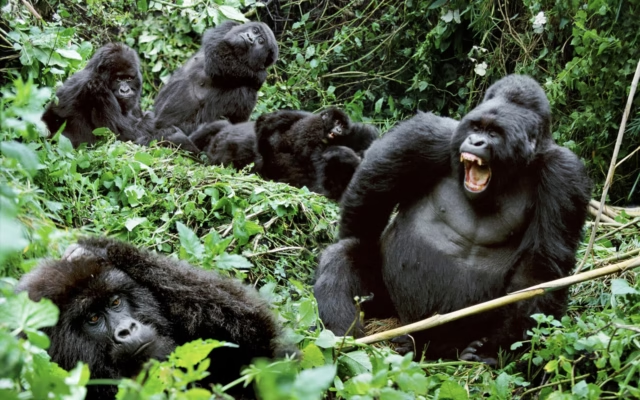
Mountain gorilla trekking in the Virungas — the natural primate pairing with Nyungwe chimps on western circuits.
Akagera National Park
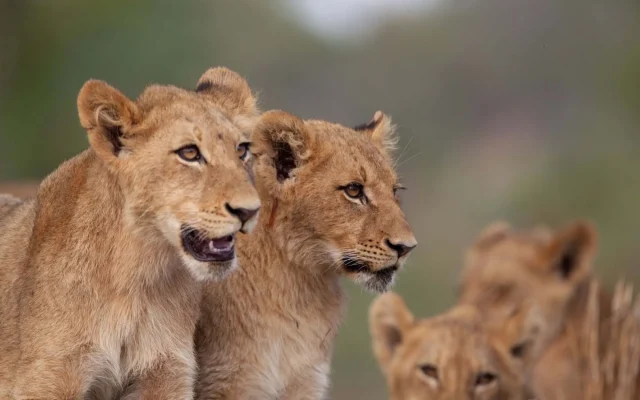
Rwanda's Big Five savannah — lions, elephants, and boat safaris contrasting Nyungwe's rainforest focus.
Gishwati-Mukura National Park
Smaller western forest between Nyungwe and Volcanoes — quieter primate walks and community tourism.
Nearby destinations to combine
Plan Your Nyungwe Safari
Nyungwe National Park completes Rwanda’s nature triangle: gorillas on the volcanoes, wildlife on the savannah, chimps and colobus in ancient montane forest. The canopy walkway, Albertine Rift birds, and thirteen primate species deliver depth that gorilla trekking alone cannot provide.
Whether you want a focused chimpanzee adventure, a birding expedition, a family-friendly canopy experience, or a full Rwanda circuit through Kigali, Lake Kivu, Volcanoes, Akagera, and Gishwati-Mukura, Nyungwe National Park safaris reward unhurried planning and at least two nights on the ground.
Our Rwanda safari specialists coordinate permits, lodges, transfers, and activity sequencing so your forest days feel immersive — not rushed between long drives.