

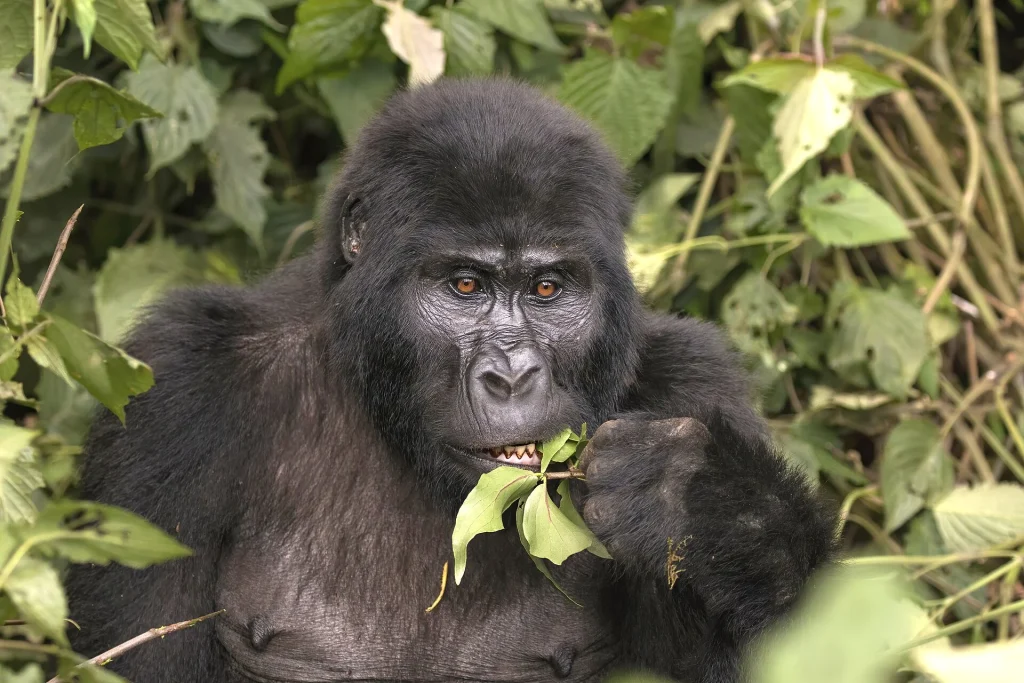
The 7 Day Uganda Safari Cost varies depending on the destinations included, accommodation category, safari activities, transportation arrangements, travel season, and number of travelers. A seven-day safari is one of the most popular safari durations in Uganda because it allows visitors to experience multiple attractions without rushing. Within one week, travelers can combine wildlife safaris, gorilla trekking, chimpanzee tracking, birdwatching, cultural experiences, scenic landscapes, and community tourism into a single unforgettable adventure.
Uganda is widely known as the Pearl of Africa because of its exceptional biodiversity, stunning landscapes, welcoming people, and unique safari opportunities. Unlike many African safari destinations that focus mainly on game drives, Uganda offers a remarkable combination of traditional wildlife viewing, mountain gorilla encounters, chimpanzee tracking, tropical forests, crater lakes, waterfalls, rivers, mountains, and cultural experiences. This diversity makes Uganda one of the most rewarding safari destinations on the continent.
The cost of a 7 day Uganda safari depends greatly on the type of safari chosen. A wildlife-focused itinerary visiting Queen Elizabeth National Park and Murchison Falls National Park will have a different price from a gorilla trekking safari in Bwindi Impenetrable National Park. Likewise, a luxury safari using high-end lodges and domestic flights will cost considerably more than a road-based budget or mid-range safari.
Average Cost of a 7 Day Uganda Safari
The average 7 Day Uganda Safari Cost ranges from approximately USD 1,800 to USD 8,500 per person depending on the itinerary and level of comfort selected. Budget safaris generally range from USD 1,800 to USD 3,200 per person. Mid-range safaris typically cost between USD 3,000 and USD 5,500 per person. Luxury safaris often range from USD 5,500 to USD 8,500 or more per person depending on accommodation standards, flight arrangements, and exclusive services.
Wildlife safaris without gorilla trekking are generally more affordable because they do not require gorilla permits. Safaris that combine gorilla trekking, chimpanzee tracking, and wildlife experiences tend to have higher costs because of permit fees and longer travel distances.
What Determines the Cost of a 7 Day Uganda Safari?
Safari Destinations
The destinations included in the itinerary are one of the most important pricing factors. Uganda offers numerous safari destinations, each with different park fees, activity costs, travel distances, and accommodation options.
A safari focused on Murchison Falls National Park, Queen Elizabeth National Park, and Lake Mburo National Park will usually be more affordable than an itinerary that includes Bwindi Impenetrable National Park because gorilla permits significantly increase the overall budget.
Similarly, adding chimpanzee tracking in Kibale Forest National Park increases costs but also creates a richer safari experience by including one of Africa’s best primate encounters.
Accommodation Category
Accommodation plays a major role in determining the final safari cost. Uganda offers a wide range of options including budget lodges, safari camps, guesthouses, mid-range lodges, luxury tented camps, and premium safari resorts.
Budget accommodation focuses on affordability and practicality. Mid-range lodges offer private rooms, comfortable facilities, good food, and excellent service. Luxury properties provide spacious suites, premium locations, gourmet dining, personalized service, and exclusive safari experiences.
Many travelers choose mid-range accommodation because it provides excellent value while maintaining a high standard of comfort.
Number of Travelers
The number of travelers sharing the safari significantly affects the per-person cost. Vehicle expenses, fuel, guide services, and transport costs are shared among participants. Solo travelers generally pay the highest rates because they bear all transportation costs themselves.
Couples, families, and small groups benefit from lower per-person expenses because the costs are distributed across several travelers.
Activities Included
The activities included in the safari itinerary also influence pricing. Wildlife game drives, boat cruises, gorilla trekking, chimpanzee tracking, birdwatching excursions, guided nature walks, cultural visits, and community tourism experiences all contribute to the final package cost.
Among these activities, gorilla trekking is usually the most expensive because of the permit requirement. Chimpanzee tracking permits also increase the safari budget, though they generally cost less than gorilla permits.
Road Safari or Domestic Flights
Most 7 day Uganda safaris are conducted by road. Road travel allows visitors to enjoy Uganda’s scenery, villages, tea plantations, mountains, crater lakes, and countryside while keeping costs manageable.
Domestic flights are available for travelers who want to reduce travel time and increase comfort. Flights significantly increase the safari price but provide quicker access to remote destinations such as Bwindi and Kidepo Valley National Park.
Popular 7 Day Uganda Safari Options and Their Costs
7 Day Wildlife Safari Cost
A classic 7 day wildlife safari often includes destinations such as Murchison Falls National Park, Queen Elizabeth National Park, and Lake Mburo National Park.
Budget packages generally range from USD 1,800 to USD 3,000 per person. Mid-range safaris typically cost between USD 2,800 and USD 4,500 per person, while luxury safaris may exceed USD 6,500 per person.
Visitors enjoy game drives, boat cruises, rhino tracking, wildlife photography, and opportunities to see elephants, lions, buffaloes, giraffes, hippos, crocodiles, antelopes, and numerous bird species.
7 Day Gorilla Trekking Safari Cost
A 7 day gorilla trekking safari focuses primarily on Bwindi Impenetrable National Park or Mgahinga Gorilla National Park while including additional wildlife or cultural experiences.
Prices generally range from USD 2,500 to USD 6,500 per person depending on accommodation standards and transportation arrangements.
The safari includes a gorilla permit, accommodation, transport, meals, and guide services. Gorilla trekking remains one of the most sought-after wildlife experiences in Africa.
7 Day Gorilla and Wildlife Safari Cost
A 7 day gorilla and wildlife safari combines mountain gorilla trekking with game viewing in parks such as Queen Elizabeth National Park or Lake Mburo National Park.
Prices generally range between USD 2,800 and USD 7,500 per person. This combination provides opportunities to experience both mountain gorillas and classic African wildlife within a single itinerary.
Activities often include gorilla trekking, game drives, boat cruises, nature walks, and cultural encounters.
7 Day Gorilla and Chimpanzee Safari Cost
This itinerary combines gorilla trekking in Bwindi with chimpanzee tracking in Kibale Forest National Park. It is one of Uganda’s most popular primate safari combinations.
Prices generally range from USD 3,200 to USD 7,000 per person depending on accommodation category and transportation options.
Travelers enjoy encounters with two of the world’s most fascinating primates while also experiencing Uganda’s forests, wildlife, and landscapes.
7 Day Birding Safari Cost
A 7 day birding safari focuses on Uganda’s exceptional birdlife and often includes destinations such as Mabamba Swamp, Kibale Forest, Queen Elizabeth National Park, and Bwindi Impenetrable National Park.
Prices generally range from USD 2,200 to USD 5,500 per person depending on accommodation level and guiding requirements.
Uganda’s rich bird diversity makes it one of Africa’s most rewarding birdwatching destinations.
What Is Usually Included in the Safari Cost?
Most 7 day Uganda safari packages include private transportation, fuel, accommodation, meals as specified in the itinerary, professional English-speaking driver-guide, park entrance fees, game drives, boat cruises, drinking water during transfers, and airport transfers.
For gorilla trekking and chimpanzee tracking itineraries, permits may also be included if specifically stated in the quotation.
What Is Usually Excluded?
Common exclusions include international flights, Uganda visa fees, travel insurance, alcoholic beverages, laundry services, tips, personal shopping, optional activities, and expenses of a personal nature.
Travelers should carefully review the inclusions and exclusions before confirming a booking.
Sample 7 Day Uganda Safari Itinerary
Day 1: Arrival in Entebbe
Arrival at Entebbe International Airport and transfer to your hotel. Depending on arrival time, visitors may enjoy a city tour, birding excursion, or cultural visit.
Day 2: Transfer to First Safari Destination
Travel to the selected national park while enjoying scenic landscapes, cultural interactions, and photography opportunities.
Day 3: Wildlife Viewing Activities
Enjoy game drives, wildlife photography, and exploration of the national park.
Day 4: Boat Safari and Additional Exploration
Participate in boat cruises, nature walks, or cultural experiences depending on the itinerary.
Day 5: Transfer to Second Safari Destination
Travel to another national park or conservation area while enjoying scenic views and local communities.
Day 6: Main Highlight Activity
This day often features gorilla trekking, chimpanzee tracking, birdwatching, or a full-day wildlife safari depending on the itinerary selected.
Day 7: Return to Entebbe
After breakfast, begin the return journey to Entebbe or Kampala for your onward flight or hotel stay.
Budget vs Mid-Range vs Luxury Safari Costs
Budget safaris provide excellent value for travelers seeking affordability. Mid-range safaris offer the best balance between comfort and cost and remain the most popular option among international visitors. Luxury safaris focus on premium accommodation, personalized service, exclusive experiences, and exceptional comfort.
Regardless of budget level, Uganda offers remarkable safari experiences and unforgettable wildlife encounters.
How to Reduce the Cost of a 7 Day Uganda Safari
Travelers can reduce the 7 Day Uganda Safari Cost by traveling with friends or family, choosing mid-range accommodation, booking well in advance, using road transportation, and avoiding unnecessary luxury upgrades.
Early booking is especially important for gorilla trekking safaris because permit availability is limited and demand remains high throughout the year.
Best Time to Book a 7 Day Uganda Safari
Uganda safaris are available throughout the year. The dry seasons from June to September and December to February are generally considered the most popular because of favorable road conditions and easier wildlife viewing.
Booking several months in advance helps secure preferred accommodation, gorilla permits, chimpanzee permits, and travel dates.
Why Book with Adventure in the Wild Safaris?
Adventure in the Wild Safaris specializes in tailor-made Uganda safari experiences designed to suit different budgets, travel styles, and interests. The company offers professional safari guides, carefully selected lodges, reliable transportation, transparent pricing, and personalized itinerary planning.
Whether you are interested in gorilla trekking, wildlife viewing, birding, chimpanzee tracking, cultural tours, or a combination of experiences, every safari is customized to deliver exceptional value and memorable adventures.
Conclusion
The 7 Day Uganda Safari Cost depends on the destinations visited, accommodation category, permits, transportation, activities, and number of travelers. Wildlife safaris are generally more affordable than gorilla trekking itineraries, while luxury safaris command higher prices because of premium accommodation and exclusive services.
A seven-day safari offers one of the best opportunities to experience Uganda’s extraordinary wildlife, mountain gorillas, chimpanzees, landscapes, birdlife, and cultural heritage. With proper planning and the right itinerary, a 7-day Uganda safari delivers exceptional value and becomes a truly unforgettable African adventure.
 Read
Read