Honey badger conservation sits in an unusual position — globally secure yet locally vulnerable to persecution, poisoning, and habitat loss. Mellivora capensis is classified Least Concern across a vast African and Asian range, but individual ratels die in apiary conflicts, snares set for other species, and deliberate killing fueled by fear and folklore. Uganda's savannah parks — Murchison Falls, Queen Elizabeth, and Kidepo Valley — provide essential refuge where tourism revenue supports ranger patrols and anti-poaching. Explore habitat and safari experiences for how visitors participate in protection.
Global Conservation Status
The IUCN Red List classifies the honey badger as Least Concern, citing wide distribution, presumed large population, and absence of range-wide decline sufficient to trigger threatened categories. Population trend is considered stable globally, though data quality is poor in many regions — Mellivora capensis is secretive, nocturnal, and rarely subject to dedicated census.
Subspecies across Asia face more localized pressure from hunting and habitat conversion, but African populations — including Uganda's — remain relatively robust inside protected areas. The conservation story is therefore less about imminent extinction and more about preventing silent local extirpation through conflict and indiscriminate killing.
Threats Outside Protected Areas
Persecution and Retaliatory Killing
Beekeepers shoot, poison, or trap honey badgers that raid hives. Poultry farmers respond similarly to nighttime predation. Fear amplifies killing — cultural narratives portray ratels as malicious or supernatural, encouraging pre-emptive destruction even when no economic loss occurred. Education and practical apiary protection reduce this threat more effectively than prosecution alone.
Poisoning Campaigns
Poisoned baits targeting jackals, hyenas, or lions kill honey badgers scavenging carcasses. Carbofuran and other agricultural pesticides used illegally as predator poisons have caused carnivore die-offs across East Africa. Uganda Wildlife Authority and conservation NGOs advocate against poison, but enforcement remains challenging on private land.
Snaring
Wire snares set for antelope bushmeat catch honey badgers indiscriminately. Ratels' strength sometimes allows escape with injuries; many die slowly. Anti-snaring patrols in Queen Elizabeth and Murchison directly benefit honey badgers alongside lions and hyaenas.
Habitat Loss and Roads
Savannah conversion to agriculture fragments ranges and increases edge conflict. Roads through wildlife corridors cause vehicle strikes — honey badgers' nocturnal habit and low profile make them vulnerable on highways linking western Uganda. Park boundaries that remain unfenced allow normal ranging but expose animals to persecution beyond the fence.
Protected Areas in Uganda
Uganda Wildlife Authority manages savannah ecosystems that collectively support honey badger populations across the north-western and western tourism circuit. Ranger patrols, tourism monitoring, and research partnerships — including carnivore work linked to Queen Elizabeth's predator programmes — create conditions where ratels can forage and den with reduced human threat.
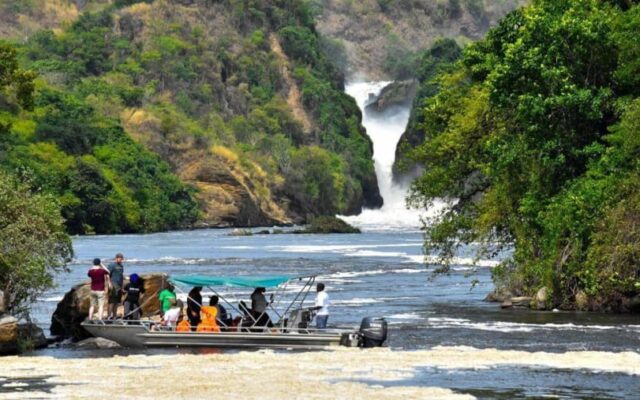
Kidepo Valley offers low visitor density and vast habitat, arguably the park where honey badgers experience least edge conflict — though remoteness limits monitoring data. Murchison Falls combines strong anti-poaching with high tourist visibility, generating revenue that funds protection. Queen Elizabeth integrates community programmes around park peripheries, addressing conflict that spills over from apiaries and livestock.
Research and Monitoring Gaps
Dedicated honey badger research in Uganda is limited compared with lion, elephant, or gorilla studies. Most records come from incidental sightings on camera traps, night drives, and ranger reports. Better data on density, home range, and mortality causes would strengthen management — particularly around park boundaries where conflict concentrates.
Role of Tourism
Licensed safaris convert honey badgers from pests into valued wildlife. Night-drive fees, park entrance revenue, and lodge employment create constituencies for carnivore protection. Travellers who follow park rules — secure rubbish, avoid feeding wildlife, respect distance — reduce habituation and conflict. Choosing operators that employ UWA-certified guides supports professional interpretation that replaces superstition with ecology.
Community and Apiary Solutions
Raised beehives (Kenya top-bar designs on platforms), electric fencing, and predator-proof poultry housing reduce economic losses without poison. NGOs working around Queen Elizabeth and Murchison promote these tools for leopard and hyena conflict; the same methods protect honey badgers when communities target carnivores generally.
Legal Protection in Uganda
Wildlife Act provisions protect honey badgers within national parks and on licensed land as wildlife species. Killing outside permitted circumstances carries penalties, though enforcement on private land remains inconsistent. Park-focused protection is the practical stronghold for conservation outcomes tourists can support.
Climate and Ecosystem Resilience
Honey badgers' dietary and habitat generalism provides resilience against moderate climate variation — unlike specialists tied to single prey or forest types. Severe drought combined with overgrazing reduces rodent prey and may force wider ranging into conflict zones. Maintaining intact savannah through fire management and grazing control indirectly supports ratel prey bases.
What Travellers Can Do
- Visit Murchison, Queen Elizabeth, and Kidepo on licensed itineraries
- Pay official park fees that fund ranger patrols
- Choose lodges with responsible waste management
- Never encourage poisoning or snaring — report illegal activity to UWA
- Share accurate ecology — fearless, not evil
Conservation Outlook
With continued park investment and community conflict mitigation, Uganda's honey badgers should remain a nocturnal bonus on savannah safaris rather than a conservation emergency. The greater risk is invisible local loss on ranchlands where ratels die unrecorded. Expanding apiary protection and anti-poison education remains the priority. Plan a predator-focused safari via where to see and Uganda safari packages to support protected-area economies directly.