When is the best time to see honey badgers in Uganda? Because Mellivora capensis is primarily nocturnal, clock time matters as much as calendar month. Night game drives, pre-dawn starts, and dry-season visibility on open tracks combine to produce the strongest sighting odds in Queen Elizabeth, Murchison Falls, and Kidepo Valley. This guide breaks down seasonal and daily timing with links to where to see and safari experiences.
Time of Day: The Decisive Factor
Night Game Drives
Queen Elizabeth's authorised night safaris are Uganda's premier honey badger window. Activity peaks in the first three hours after full darkness when ratels leave dens to forage. Spotlight scanning along Kasenyi track edges and woodland margins produces hyena, genet, and occasional Mellivora capensis. Book night drives when reserving lodges — permits and vehicles are limited.
Dawn and Dusk
Crepuscular peaks occur around sunrise and sunset. Murchison visitors who start northern bank drives at 6:30 a.m. sometimes intercept ratels returning to cover or still hunting along drainage lines. Evening drives in Kidepo as the Narus Valley cools show similar patterns. Midday heat suppresses movement — standard tourist lunch breaks align poorly with honey badger biology.
Why Midday Fails
Between roughly 10 a.m. and 4 p.m., honey badgers rest in burrows and thick shade. Tourists on single afternoon drives rarely see them. If your itinerary allows only daylight hours, prioritise dawn — not sunset alone, unless you can extend into darkness.
Dry Season vs Wet Season
Dry Seasons (June–September and December–February)
Dry months offer multiple advantages. Grass is shorter, improving spotlight penetration and eyeshine detection. Roads are firmer for night-drive vehicles. Rodents concentrate near residual water, narrowing honey badger foraging circuits along predictable track edges. Tourist infrastructure operates at full capacity with reliable lodge night-drive scheduling.
June through September is the longer dry season — peak international visitation and excellent general game viewing. December through February is a shorter dry window popular with holiday travellers. Both suit honey badger strategy; choose based on crowd preference and gorilla permit availability on combined circuits.
Wet Seasons (March–May and October–November)
Rains thicken grass and increase insect noise, complicating spotlight viewing. Rodents are abundant but dispersed; ratels dig more widely, reducing predictability. Road conditions on black cotton soil sections of Queen Elizabeth can delay night drives. Wet season still produces sightings — especially on clear nights after afternoon storms — but expect lower odds and more itinerary flexibility.
Photographers may prefer wet-season green backgrounds for daytime wildlife, but honey badger specialists should weight dry-season nights higher.
Month-by-Month Overview
- January–February: Dry, warm; excellent night drives and dawn patrols
- March–May: Long rains; challenging roads, dispersed foraging
- June–August: Peak dry season; best overall carnivore tourism window
- September: Transition; still strong until late-month showers
- October–November: Short rains; variable nights, fewer tourists
- December: Dry holiday season; book night drives early
Park-Specific Timing
Queen Elizabeth
Schedule at least one night drive per two-night stay during dry months. Pair with afternoon Kazinga cruise on a different day to avoid fatigue. Kasenyi is productive after dark; Ishasha requires longer transfers — plan full-day Ishasha only if tree-climbing lions are the priority over ratels.
Murchison Falls
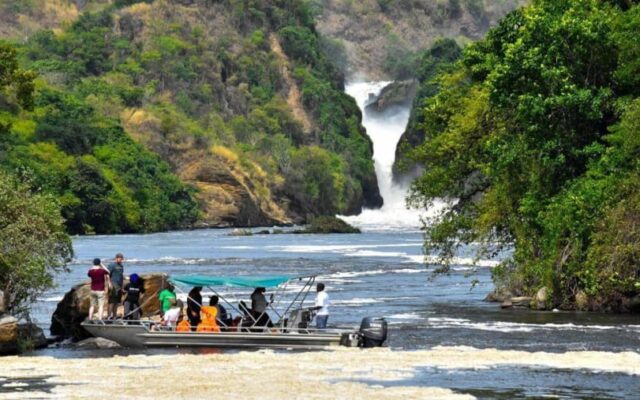
Dawn drives on the northern bank outperform afternoon loops for crepuscular carnivores. If lodge night options exist, use them; otherwise maximise 6:00–8:00 a.m. windows on Buligi tracks. Delta shoebill trips depart early — combine with quick carnivore scan on return routes when possible.
Kidepo Valley
Hot dry season (January–March) concentrates activity near Narus waterholes at dawn and dusk. Remote logistics favour multi-night stays — three to four nights allow repeated timing attempts without rushing Apoka departures.
Moon Phase and Weather
Overcast nights can improve spotlight contrast; full moon may reduce spotlight dependence but makes shy animals more cautious on open ground. Light rain sometimes increases rodent activity immediately after showers — guides occasionally report ratel movement on damp nights. Thunderstorms cancel night drives for safety; build buffer nights on dedicated carnivore itineraries.
Combining with Broader Uganda Seasons
Travellers pairing gorilla trekking in Bwindi with Queen Elizabeth savannah should align dry-season windows for both — forest trails and night drives improve simultaneously. Northern Murchison circuits with Ziwa rhino tracking also favour June–September and December–February road conditions.
Photography Timing
Night images require high ISO, fast lenses, and acceptance of grain. Red light reduces disturbance but complicates colour balance. Brief encounters favour video over stills for many guests. Dawn shots in Murchison — if you are extraordinarily lucky — offer the only natural-light portfolio opportunities most visitors will see.
How Many Nights to Allow
Single-night stops rarely suffice for nocturnal specialists. Plan minimum two nights in Queen Elizabeth with one night drive, or three nights in Kidepo with repeated dawn departures. Honey badgers reward persistence, not lottery-ticket stopovers.
Summary Recommendations
- Best months: June–September and December–February
- Best hours: 30 minutes after sunset through first two hours of darkness; 5:30–7:30 a.m.
- Best park: Queen Elizabeth (night drives)
- Minimum stay: Two nights with scheduled night activity
Align timing with behaviour knowledge and book predator programmes through Uganda safari packages that explicitly include night-drive slots in dry season.