
Dik-dik FAQs and Answers — quick answers on biology, behaviour, parks, predators, and safari planning. Explore where to see dik-dik, behaviour, best time to visit, and safari experiences — or request a quote for a tailored bush-edge itinerary.
- What is a dik-dik?
The dik-dik (Madoqua kirkii, Kirk's dik-dik) is one of Africa's smallest antelopes — a tiny, big-eyed browser of dry thorn bush and acacia margins. In Uganda it occurs in Kidepo Valley and Lake Mburo national parks, where monogamous pairs scent-mark territories and whistle alarm calls from dense cover.
- How big is a dik-dik?
Kirk's dik-dik stand roughly 35–45 cm at the shoulder and weigh about 3–6 kg — smaller than a domestic cat in height but longer-legged. Females are slightly larger than males. Only males carry short, slanted horns. See our dik-dik facts page for full measurements.
- How do you identify a dik-dik?
Look for a tiny reddish-brown coat, large dark eyes, elongated mobile snout, and a tuft of erectile hair on the forehead. Males have small horns slanting backward. Pairs move together at thicket edges — the combination of miniature size and big-eyed profile is unmistakable once spotted.
- Where is the best place to see dik-dik in Uganda?
Kidepo Valley National Park thorn margins and Lake Mburo acacia woodland edges are Uganda's only reliable sites. Compare parks on our where to see dik-dik page.
- What do dik-dik eat?
Dik-dik are selective browsers — leaves, shoots, flowers, fruits, and seed pods from thorny shrubs and acacias. They obtain most moisture from food and rarely drink standing water. More detail on our dik-dik diet page.
- Are dik-dik monogamous?
Yes. Kirk's dik-dik form lifelong pair bonds — one male and one female sharing a territory, dung middens, and scent marks. This is among the strongest pair fidelity documented in African antelopes. Read our behaviour guide for full context.
- Why are they called dik-dik?
The name comes from the female's alarm call — a sharp repeated whistle transcribed as "dik-dik" or "zik-zik" when predators approach. The onomatopoeic name is used across East Africa for several Madoqua species.
- What predators hunt dik-dik?
Leopards, caracals, pythons, jackals, and large eagles all prey on dik-dik. Their strategy combines freezing in thorn cover, alarm whistles, and zigzag flight through dense bush where larger predators struggle to follow.
- Are dik-dik endangered?
Kirk's dik-dik is classified Least Concern by the IUCN across its East African range — but habitat loss and snaring outside protected areas reduce local populations. Uganda's Kidepo and Lake Mburo parks remain important strongholds. See conservation for more.
- When is the best time to see dik-dik?
Dik-dik are most visible at dawn and dusk when they feed at thicket edges. Dry seasons (June–September and December–February) thin bush cover slightly. See best time to see dik-dik.
- Do dik-dik need to drink water?
Rarely. Kirk's dik-dik are water-independent — they extract moisture from browse and produce highly concentrated urine to conserve water in arid bush country. This adaptation keeps pairs on dry thorn margins far from rivers.
- How do dik-dik differ from oribi?
Oribi are larger savannah grazers seen in open grassland pairs across Murchison, Kidepo, and Lake Mburo. Dik-dik are much smaller browsers confined to dense thorn margins in Kidepo and Lake Mburo only — different size, diet, habitat, and social scale.
- How do dik-dik differ from bushbuck?
Bushbuck are larger, solitary woodland antelopes with spotted coats and spiral horns in males. Dik-dik are tiny, pair-living, and specialised for arid thorn scrub rather than riverine forest. Both can occur in Lake Mburo but in different habitats.
- What habitat do dik-dik prefer?
Dry thorn bush, acacia woodland margins, kopje skirts, and lake-fringe thickets — dense cover broken by narrow feeding lanes. Full ecology on our habitat guide.
- How long is dik-dik pregnancy?
Gestation lasts roughly five to six months, with a single calf born — often at the start of rains when browse quality peaks. Mothers hide calves in thicket while foraging nearby.
- Are dik-dik active during the day or night?
Dik-dik are crepuscular — most active at dawn and dusk, resting in shade during midday heat and largely inactive at night. Game drives at first light and late afternoon align best with their feeding rhythm.
- Which Uganda safaris include dik-dik viewing?
Itineraries visiting Kidepo Valley or Lake Mburo can include dik-dik on bush-margin game drives. Browse dik-dik safaris and Uganda safari packages.
- What are preorbital glands on dik-dik?
Dik-dik have enlarged preorbital glands below the eyes that secrete a sticky territorial scent. Both sexes mark twigs and stems — a defining field mark and key to their pair-territory system.
- What is the scientific name of Kirk's dik-dik?
Madoqua kirkii — one of several dik-dik species in the genus Madoqua, placed in the antelope tribe Neotragini alongside oribi and klipspringer.
- How can tourists help dik-dik conservation?
Book through licensed operators, pay official park fees, stay on designated tracks, and include Kidepo or Lake Mburo in your itinerary so tourism revenue supports rangers who protect the thorn-bush margins dik-dik depend on. Read our conservation page for context.
Safari packages to see Dik-dik
Bookable itineraries below include parks and activities where you are most likely to encounter Dik-dik in the wild.
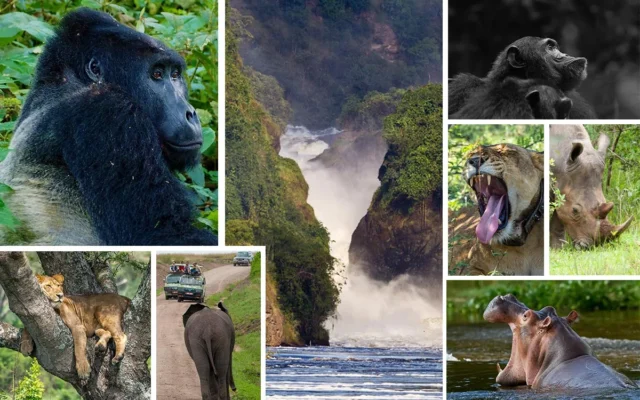
18 Days Uganda Wildlife Safari
You visit
Entebbe (Start, End)
The ultimate 18-day Uganda wildlife safari — every savannah park, both chimp forests, gorillas, and the remote northeast. After Murchison and Kidepo, the route sweeps through Kibale, Queen Elizabeth,…
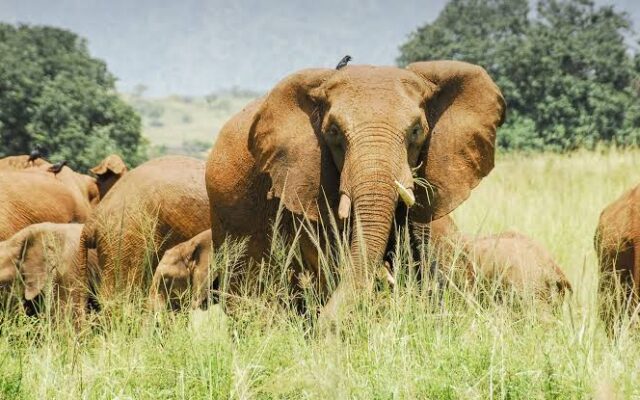
4 Days Kidepo Valley Safari
You visit
Entebbe (Start, End)
Kidepo Valley is Uganda's most remote park — semi-arid savannah against the Morungole Mountains near the South Sudan border. Cheetah, ostrich and large lion prides roam the Narus Valley; the drier Kid…
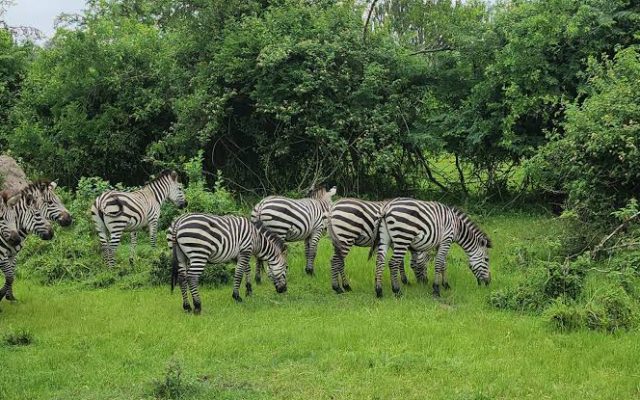
1 Day Lake Mburo Safari
You visit
Uganda Equator, Kayabwe, Lake Mburo, Kampala or Entebbe
This compact 1-day Lake Mburo safari is the closest national-park wildlife experience to Kampala and Entebbe. Lake Mburo is Uganda’s smallest savannah park but one of the most rewarding for a short tr…
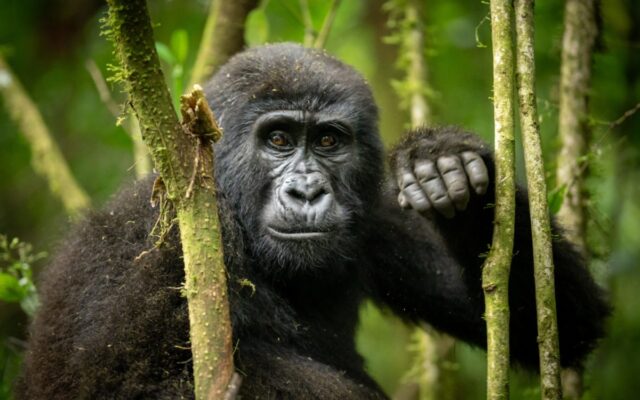
12 Days Uganda Wildlife and Gorillas Safari
You visit
Murchison Falls, Kibale Forest, Queen Elizabeth NP, Bwindi Forest, Lake Mburo, Entebbe
A comprehensive 12-day wildlife and gorillas safari combining Uganda’s northern savannah giants with southwestern primate forests. Murchison Falls delivers elephant, giraffe and the Nile launch; Queen…