Best time to see dik-dik — expert Uganda safari guide from local planners who know permits, parks, and realistic routing.
Dik-dik can be seen year-round in Uganda's two range parks, but season, time of day, and thicket density all shape sighting quality. Crepuscular feeding at bush margins means clock discipline often matters more than month — yet dry seasons still improve visibility when understorey grass thins and pairs cross tracks between shrub clusters. Pair this guide with where to see dik-dik, habitat, and safari experiences.
Year-Round Potential
Unlike migratory species or heavily rain-dependent breeders, Kirk's dik-dik maintain fixed territories throughout the year in Kidepo and Lake Mburo. Pairs do not vacate parks in wet months — they simply feed deeper inside thickets. Any itinerary visiting the right margins can produce sightings; timing optimises probability and photography, not basic possibility.
Best Time of Day
Dawn — Prime Window
First light to mid-morning is the single best dik-dik window. Pairs emerge from overnight cover to feed at thicket edges while temperatures are cool and crepuscular predators retreat. Guides who depart at gate opening — or stay inside park boundaries overnight — maximise this period. Lake Mburo's short transfer from lodges makes dawn especially practical.
Dusk — Second Peak
Late afternoon feeding repeats dawn patterns with golden light for photography. Midday heat finds pairs resting in shade — cryptic and largely invisible. Scheduling margin drives only after lunch misses half the behavioural day.
Midday — Low Probability
Except during overcast cool days, expect few dik-dik sightings between 11:00 and 15:00. Use midday for transfer, boat activities on Lake Mburo, or cultural visits — not primary dik-dik drives.
Seasonal Patterns in Uganda
Dry Seasons (June–September and December–February)
Dry months generally offer the best dik-dik viewing. Grass between shrubs dies back, improving line of sight at margins where pairs cross tracks. Browse stress may concentrate activity on productive acacia lines — predictable for guides who know flowering and leaf-flush timing. Dust and golden light aid photography on Kidepo valley drives.
Wet Seasons (March–May and October–November)
Rains green the bush and increase cover density — pairs feed further from track edges, reducing sighting frequency though not eliminating it. Wet-season rewards include lush scenery, fewer tourists in some months, and excellent birding alongside mammal margin scans. Pack rain gear and allow flexible drive timing around showers.
Monthly Overview
| Period | Conditions | Dik-dik viewing |
|---|---|---|
| Jan–Feb | Short dry; warm | Excellent dawn margins |
| Mar–May | Long rains | Harder; persistent guiding pays |
| Jun–Aug | Long dry; peak safari | Excellent visibility |
| Sep–Oct | Transition; showers | Good mixed conditions |
| Nov | Short rains | Moderate; green backdrop |
| Dec | Short dry; holidays | Very good; book early |
Park-Specific Timing
Kidepo Valley
Kidepo's arid climate amplifies dry-season margin visibility — pairs on Narus skirts are easier to spot June–September. Extreme heat midday can reduce animal movement; dawn departures are non-negotiable. Fly-in schedules should align with overnight stays inside or beside the park.
Lake Mburo
Lake Mburo's bimodal rainfall means two wet peaks — March–May and September–November — with drier windows December–February and June–August. Compact size allows repeated dawn drives across a multi-night stay, compensating for single-morning bad luck.
Reproduction and Sightings
Calving often peaks with early rains when browse supports lactation. Hidden calves are rarely seen, but pairs with juveniles may be slightly more visible at margins before dispersal. Avoid disturbing suspected hiding sites near dense thickets.
Predator Activity Overlap
Leopard movement along thorn margins often increases toward dusk — overlapping dik-dik feeding peaks. Alarm whistles during your sighting may precede cat encounters; treat timing as dual opportunity for small antelope and predator ecology.
Photography Timing
- Arrive at margin sectors before sun clears horizon
- Shoot from vehicle with engine off to reduce vibration
- Expect brief sightings — pre-set exposure for low light
- Dusk offers warm side-light on acacia flowers pairs target
Itinerary Length Recommendations
Single-morning dik-dik attempts at Lake Mburo succeed often enough for short trips, but Kidepo warrants minimum two nights to combine remote margin drives with plains game. Enthusiasts should budget three dawn sessions — cumulative odds beat one lottery morning.
Combining With Other Wildlife Seasons
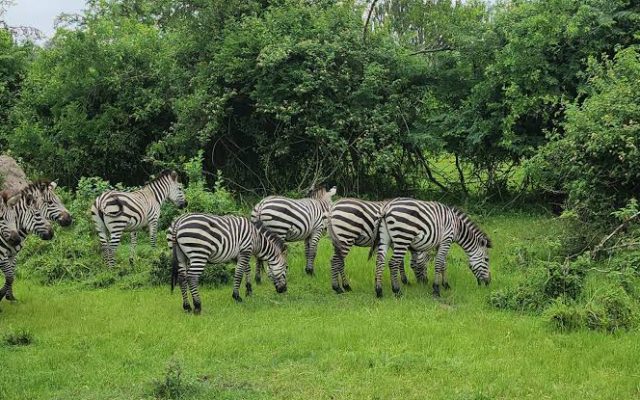
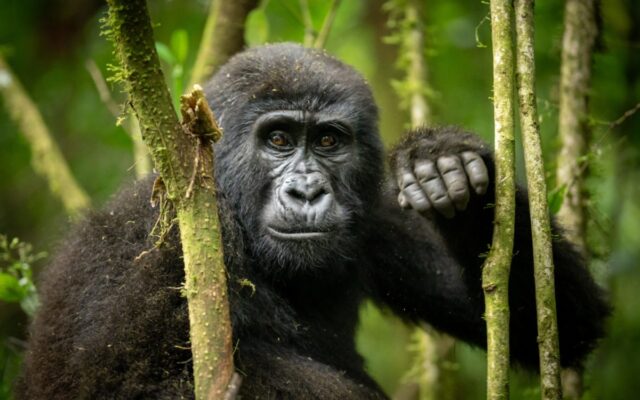
Dik-dik timing aligns with general Uganda savannah peaks — dry-season megafauna viewing on Kidepo plains and Lake Mburo zebra herds coincides with best dik-dik margins. Gorilla trekking in Bwindi is year-round; pairing dry-season Mburo bush drives with primate days is a classic combination.
What to Bring
- Binoculars for scanning thicket edges at distance
- Telephoto lens (300mm minimum practical)
- Warm layer for dawn drives in Kidepo
- Insect repellent on margin stops
Planning Your Visit
Align lodge bookings with gate times, brief guides on dik-dik interest, and schedule margin-heavy routes at dawn. Browse Uganda safari packages or where to see dik-dik for park routing detail.
Weather and Road Conditions
Heavy rains can soften Lake Mburo tracks and delay Kidepo margin access — rarely closing routes entirely but affecting drive pace. Dry-season laterite roads are firmer, allowing guides to reach distant thorn sectors before heat builds. Monitor regional forecasts when booking fly-in Kidepo windows; cloud cover at dawn can be advantageous for soft light even if it reduces distant visibility slightly.
Repeat Visits and Cumulative Odds
Because dik-dik sightings are brief and habitat-specific, travellers serious about observation should plan multiple margin drives rather than one rushed morning. Lake Mburo's compact layout makes repeat dawn sessions practical on a two-night stay; Kidepo's scale rewards three distinct margin routes across separate mornings — Narus skirts, Kanangorok bush, and southern thickets each offer independent pair territories worth scanning.