
African Fish Eagle FAQs and Answers — use the questions below for quick answers on identification, calls, hunting, breeding, boat-safari viewing, and safari planning. Explore where to see African fish eagles, best time to visit, safari experiences, and Uganda safari packages for deeper guides — or request a quote for a tailored itinerary.
- What is an African fish eagle?
The African fish eagle (Haliaeetus vocifer) is a large fish-eating raptor found across sub-Saharan Africa near freshwater. Instantly recognisable by its white head and tail, chestnut belly, and black wings, it is famous for its ringing call and spectacular fish-hunting strikes. In Uganda it is a highlight of Nile and lake boat safaris.
- Why is the African fish eagle called vocifer?
The scientific name Haliaeetus vocifer combines Greek haliaeetus (sea eagle) with Latin vocifer (to cry out). The name reflects the species' extraordinarily loud, far-carrying call — often described as the voice of Africa. Hear it in detail on our fish eagle behaviour page.
- Where can I see African fish eagles in Uganda?
Fish eagles are widespread across Uganda's lakes and rivers. Top sites include the Victoria Nile in Murchison Falls National Park, the Kazinga Channel in Queen Elizabeth National Park, Lake Mburo, and Lake Victoria wetlands such as Mabamba Bay. See our full where to see African fish eagles guide.
- What does an African fish eagle sound like?
The call is a loud, ringing weee-ah, hyo-hyo-hyo — often performed as a duet between paired adults. It carries across water and woodland and is one of the most evocative sounds of an African dawn. Pairs frequently call together from prominent perches or in flight.
- How does an African fish eagle hunt fish?
Fish eagles hunt primarily from a perch — a dead tree, papyrus head, or riverside snag. They watch the water, then launch in a shallow swoop, snatching prey from just below the surface with powerful talons equipped with spiricules (spiny grips for slippery fish). They return to the perch to feed. Only about one in seven or eight strikes succeeds.
- What do African fish eagles eat besides fish?
Although fish dominate the diet, African fish eagles are opportunistic carnivores. They also take waterbirds (ducks, cormorants, heron chicks), carrion, baby crocodiles, terrapins, frogs, and occasionally small mammals. They are skilled kleptoparasites, stealing catches from other birds. Read our fish eagle diet guide for detail.
- How big is an African fish eagle?
Adults measure roughly 63–75 cm in length with a wingspan of 2.0–2.4 metres. Females are larger than males, weighing around 3.2–3.6 kg compared with 2.0–2.5 kg for males — typical of many raptors where the female does most incubation.
- How can I tell a juvenile African fish eagle from an adult?
Juveniles are mottled brown overall and lack the striking white head, white tail, and chestnut body of adults. They take three to four years to acquire full adult plumage. Young birds are often seen near nests or begging loudly from parents long after fledging.
- Are African fish eagles monogamous?
Yes. African fish eagles form long-term pair bonds, often mating for life. Pairs defend a territory around their nesting lake or river stretch, perform aerial courtship displays, and share chick-rearing duties. Both sexes contribute to nest maintenance across multiple breeding seasons.
- When do African fish eagles breed in Uganda?
Breeding is often tied to the dry season when water levels are lower and fish concentrate — typically around June to August in many East African locations, though timing varies locally. Pairs lay one to three eggs in a large stick nest built high in a riverside tree.
- How long do African fish eagle chicks stay in the nest?
Incubation lasts approximately 42–45 days. Chicks fledge after roughly 65–75 days but may remain dependent on parents for several weeks, begging noisily from perches nearby. Adults sometimes continue supplementary feeding for up to six weeks after fledging.
- What is the IUCN status of the African fish eagle?
The African fish eagle is classified as Least Concern by the IUCN, reflecting its wide distribution across sub-Saharan Africa. Local declines can still occur where wetlands are drained, fish stocks collapse, or nesting trees are removed. Learn more on our fish eagle conservation page.
- Which countries have the African fish eagle as a national bird?
The African fish eagle is the national bird of Zambia and Zimbabwe and also holds national symbolism in South Sudan and Namibia. Its image appears on flags, coats of arms, and currency — testament to its cultural importance across southern Africa.
- What is the best time of day to see fish eagles hunting?
Early morning and late afternoon are usually most productive. Fish eagles hunt when light is good and fish approach the surface; midday heat often finds them resting on prominent perches. Calm water improves strike visibility from a boat.
- Can I photograph African fish eagles from a boat?
Yes — boat safaris offer excellent photography because eagles often perch at eye level along riverbanks. A telephoto lens (200–400 mm), fast shutter speed for hunting strikes, and burst mode for action sequences all help. Morning light on the Nile and Kazinga Channel is particularly rewarding.
- Which Uganda safari includes a fish eagle boat cruise?
Most classic Uganda itineraries include at least one water outing. The Nile launch cruise at Murchison and Kazinga Channel boat safari are the most famous, but Lake Mburo boat trips and Lake Victoria wetland excursions also deliver reliable sightings. Browse fish eagle safari experiences and Uganda safari packages.
- Do African fish eagles steal food from other birds?
Yes. Kleptoparasitism is well documented. Fish eagles harass pelicans, storks, herons, kingfishers, and even other fish eagles to steal fish. Watching a fish eagle pursue a goliath heron is dramatic boat-safari theatre on the Victoria Nile.
- How long do African fish eagles live?
In the wild, African fish eagles may live 15–24 years, with longer lifespans recorded in captivity. Longevity depends on territory quality, fish availability, and freedom from persecution or wetland degradation.
- Are African fish eagles aggressive toward humans?
Fish eagles are not dangerous to humans under normal safari conditions. They may become defensive near an active nest, so boats and walkers should keep respectful distance during breeding season. On standard launch cruises they tolerate close approach while perched.
- What habitat do African fish eagles need?
They require open freshwater with abundant fish, plus tall trees or dead snags for perching and nesting. Uganda's rivers, Great Rift lakes, papyrus swamps, and reservoir shorelines provide ideal conditions. Explore habitat detail on our fish eagle habitat page.
- Can fish eagles lift very large fish?
Fish eagles comfortably carry fish up to roughly 1–2 kg. Larger catches may be dragged through the water to the nearest shore or consumed in place. Nile tilapia and catfish within this range are common prey on Uganda's waterways.
- Is the African fish eagle the same as the bald eagle?
They are close relatives within the sea-eagle genus but are different species. The bald eagle (Haliaeetus leucocephalus) is confined to North America, while the African fish eagle is widespread across sub-Saharan Africa. Both share white-headed adult plumage and fish-specialist hunting.
- What is the best season to see African fish eagles in Uganda?
Fish eagles are visible year-round. Dry seasons (June–September and December–February) often concentrate wildlife at water and make boat safaris comfortable, while wet months bring lush scenery and active breeding at some sites. See our best time to see fish eagles guide.
- Why are fish eagles so common on Uganda boat safaris?
Uganda's protected waterways support enormous fish biomass and abundant perching trees. Parks such as Murchison and Queen Elizabeth pair fish-rich channels with daily boat traffic, so eagles are habituated to vessels and often hunt within clear view of passengers.
Safari packages to see African Fish Eagle
Bookable itineraries below include parks and activities where you are most likely to encounter African Fish Eagle in the wild.
 Best
Seller
Best
Seller
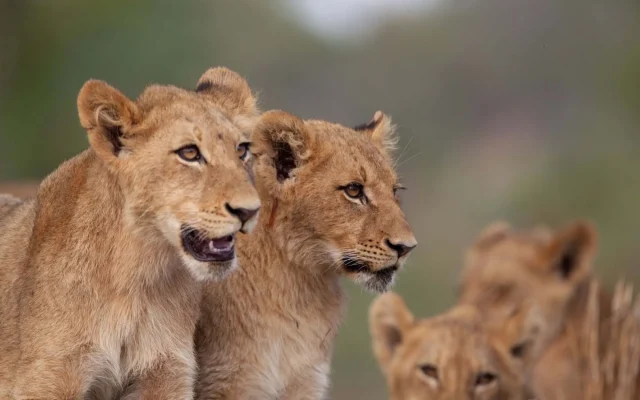
7 Day Uganda Wildlife & Gorilla
You visit
Murchison Falls, Kibale Forest, Queen Elizabeth NP, Bwindi Forest, Entebbe
Seven days with gorillas: the wildlife tour above plus Bwindi trekking on Day 6 — the single most booked private itinerary for Uganda Safari Tours guests who want chimps, savannah and gorillas in one…
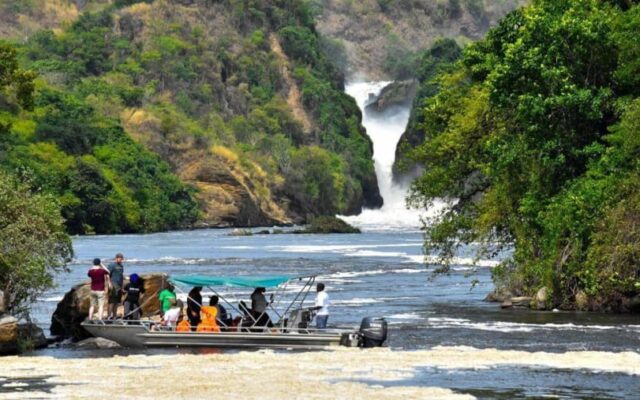
3 Day Murchison Falls Safari
You visit
Murchison Falls, Entebbe
Our classic 3-day Murchison Falls safari follows the park’s most proven circuit: dramatic falls, savannah game drives north of the Nile, and the famous boat trip where the river narrows below the casc…
 Best
Seller
Best
Seller
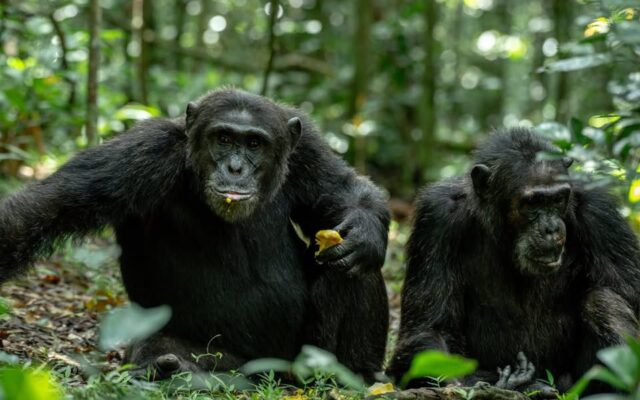
6 Days Uganda Gorillas, Chimpanzees & Wildlife Safari
You visit
Kibale Forest, Queen Elizabeth NP, Bwindi Forest, Entebbe
Primates plus plains in six days: Kibale chimps, Queen Elizabeth savannah, Bwindi gorillas and a Lake Mburo finale for zebra — the full Uganda highlight reel without rushing Kidepo or Murchison.
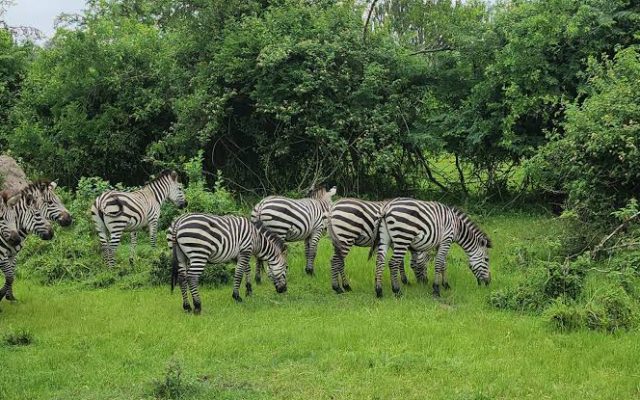
1 Day Lake Mburo Safari
You visit
Uganda Equator, Kayabwe, Lake Mburo, Kampala or Entebbe
This compact 1-day Lake Mburo safari is the closest national-park wildlife experience to Kampala and Entebbe. Lake Mburo is Uganda’s smallest savannah park but one of the most rewarding for a short tr…