
African Elephant FAQs and Answers — use the questions below for quick answers on biology, intelligence, herd behaviour, where to see elephants in Uganda, safety, and safari planning. Explore best time to visit, elephant safari experiences, and Uganda safari packages for deeper guides — or request a quote for a tailored itinerary.
- What is an African elephant?
The African elephant (Loxodonta africana) is the largest land animal on Earth. Known for its immense size, intelligence, and complex social behavior, the African elephant is one of Africa's most iconic wildlife species and a member of the Big Five. Elephants play a crucial role in maintaining healthy ecosystems by shaping vegetation and dispersing seeds across vast landscapes.
- What is the difference between African and Asian elephants?
African elephants are generally larger than Asian elephants and have much bigger ears that resemble the shape of Africa. African elephants also have two finger-like projections at the tip of their trunk, while Asian elephants have only one. Additionally, both male and female African elephants may have tusks, whereas tusks are usually found only in male Asian elephants.
- Where can I see elephants in Uganda?
Elephants are found in several of Uganda's national parks. The best places to see them include Murchison Falls National Park, Queen Elizabeth National Park, Kidepo Valley National Park, and Lake Mburo National Park. Murchison Falls National Park hosts the largest elephant population in Uganda. See our where to see African elephants guide for park comparisons.
- How much does an African elephant weigh?
Adult male African elephants can weigh between 4,000 and 7,000 kilograms, while females typically weigh between 2,700 and 3,600 kilograms. Some exceptionally large bulls may exceed 7 tons.
- How tall is an African elephant?
Adult male elephants can stand between 3 and 4 meters tall at the shoulder, while females are slightly smaller. Their enormous size makes them the tallest and heaviest land mammals in the world.
- What do African elephants eat?
African elephants are herbivores that consume grasses, leaves, bark, roots, fruits, and branches. An adult elephant may eat up to 150 kilograms of vegetation in a single day to meet its energy requirements. Learn more on our African elephant diet page.
- How much water does an elephant drink?
Elephants can drink between 100 and 200 liters of water per day, depending on temperature and availability. Their trunks can hold several liters of water at a time, which they then spray into their mouths.
- How long do African elephants live?
African elephants typically live between 60 and 70 years in the wild. Their lifespan is similar to that of humans, making them among the longest-living mammals.
- Are African elephants endangered?
African elephants are classified as endangered in many parts of their range. Although some populations are stable or increasing, elephants continue to face significant threats from poaching and habitat loss.
- How intelligent are elephants?
Elephants are among the most intelligent animals on Earth. They demonstrate problem-solving abilities, self-awareness, emotional intelligence, memory, cooperation, and even mourning behaviors when members of their herd die. Explore more on our African elephant behaviour page.
- Can elephants recognize humans?
Yes. Studies have shown that elephants can distinguish between different human voices, recognize individuals, and remember people they have encountered before. Their memory is often considered one of the best in the animal kingdom.
- Why do elephants have tusks?
Tusks are elongated incisor teeth used for digging, stripping bark from trees, moving obstacles, fighting rivals, and defending themselves against threats.
- What are elephant tusks made of?
Elephant tusks are made primarily of ivory, a dense material composed of dentine. Unfortunately, the demand for ivory has led to extensive poaching across Africa.
- Why is ivory trade harmful?
The illegal ivory trade is one of the greatest threats to elephant populations. Poachers kill elephants for their tusks, leading to dramatic declines in elephant numbers across many regions of Africa.
- How long is elephant pregnancy?
African elephants have the longest pregnancy of any land mammal. The gestation period lasts approximately 22 months before a calf is born.
- How many calves can an elephant have?
Most elephant pregnancies result in a single calf. Twin births are extremely rare. A female may give birth every four to six years.
- How do elephants communicate?
Elephants communicate through vocalizations, body language, touch, scent, and low-frequency sounds known as infrasound. These sounds can travel several kilometers and help elephants stay in contact over long distances.
- Can elephants swim?
Yes. Elephants are excellent swimmers and can cross rivers and lakes when necessary. They use their trunks like snorkels while swimming through deep water.
- Why do elephants flap their ears?
Elephants flap their ears to regulate body temperature. Their large ears contain numerous blood vessels that help release excess heat, acting like natural cooling systems.
- What predators threaten elephants?
Adult elephants have very few natural predators due to their size. Lions may occasionally target young calves, but humans are by far the greatest threat through poaching and habitat destruction.
- Are elephants dangerous?
Although generally peaceful, elephants are powerful wild animals that can become dangerous when threatened, startled, injured, or protecting calves. Visitors should always observe elephants from a safe distance.
- How fast can elephants run?
Despite their size, elephants can reach speeds of up to 40 kilometers per hour (25 miles per hour) over short distances.
- What is an elephant herd?
An elephant herd is a family group consisting of related females and their offspring. Herds provide protection, social learning, and cooperative care for young calves.
- Who leads an elephant herd?
Elephant herds are led by a matriarch, usually the oldest and most experienced female. She guides the herd to food, water, and safe habitats based on her extensive knowledge and memory.
- How many elephants live in Uganda?
Uganda's elephant population has recovered significantly over recent decades. The country is now home to several thousand elephants, with the largest populations found in Murchison Falls and Queen Elizabeth National Parks.
- What is the best time to see elephants?
Elephants can be seen throughout the year, but sightings are often easiest during the dry seasons from June to September and December to February when animals gather near permanent water sources. See our best time to see African elephants guide for monthly conditions.
- How do elephants benefit ecosystems?
Elephants are often called ecosystem engineers because they shape landscapes by knocking down trees, creating pathways, dispersing seeds, and opening habitats for other wildlife species.
- What conservation efforts protect elephants?
Elephant conservation includes anti-poaching patrols, habitat protection, wildlife corridors, community education programs, scientific research, and responsible tourism that supports conservation funding. Learn more on our African elephant conservation page.
- Can elephants mourn their dead?
Research suggests that elephants display behaviors resembling mourning. They may remain near deceased herd members, touch bones with their trunks, and show signs of distress when a family member dies.
- What is elephant migration?
Elephant migration refers to seasonal movements between feeding and watering areas. These journeys help elephants access resources and maintain ecological balance across large landscapes.
- Why are elephants part of the Big Five?
Elephants are included in the Big Five because they were historically considered among the most dangerous and challenging animals to hunt on foot. Today, they are one of the most sought-after wildlife sightings on African safaris and symbolize Africa's natural heritage.
Safari packages to see African Elephant
Bookable itineraries below include parks and activities where you are most likely to encounter African Elephant in the wild.
 Best
Seller
Best
Seller
7 Day Uganda Wildlife & Gorilla
You visit
Murchison Falls, Kibale Forest, Queen Elizabeth NP, Bwindi Forest, Entebbe
Seven days with gorillas: the wildlife tour above plus Bwindi trekking on Day 6 — the single most booked private itinerary for Uganda Safari Tours guests who want chimps, savannah and gorillas in one…
 Best
Seller
Best
Seller
6 Days Uganda Gorillas, Chimpanzees & Wildlife Safari
You visit
Kibale Forest, Queen Elizabeth NP, Bwindi Forest, Entebbe
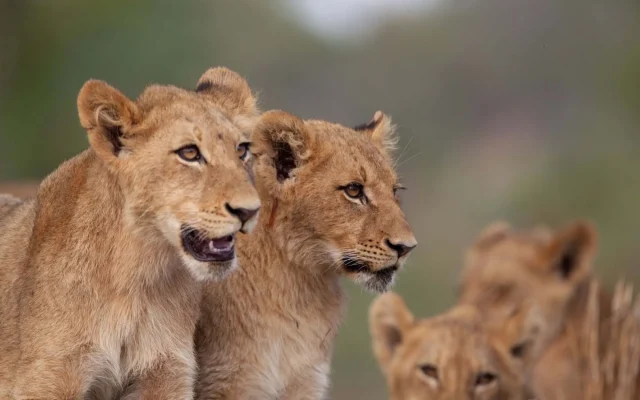
Primates plus plains in six days: Kibale chimps, Queen Elizabeth savannah, Bwindi gorillas and a Lake Mburo finale for zebra — the full Uganda highlight reel without rushing Kidepo or Murchison.
3 Day Murchison Falls Safari
You visit
Murchison Falls, Entebbe
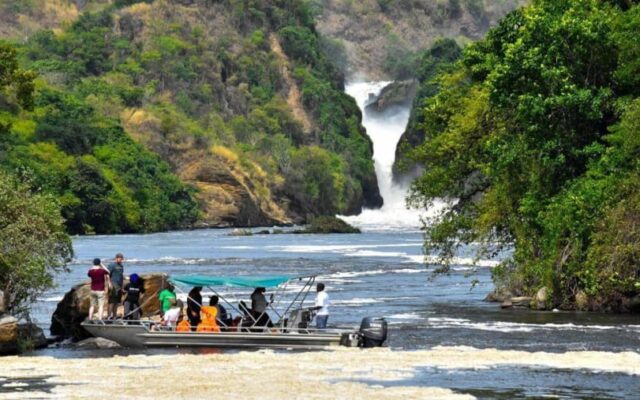
Our classic 3-day Murchison Falls safari follows the park’s most proven circuit: dramatic falls, savannah game drives north of the Nile, and the famous boat trip where the river narrows below the casc…
18 Days Uganda Wildlife Safari
You visit
Entebbe (Start, End)
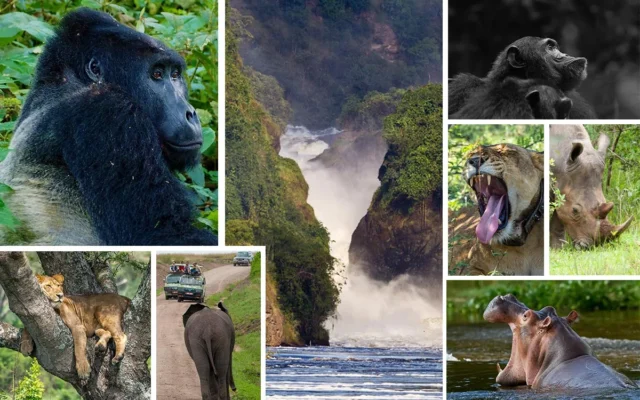
The ultimate 18-day Uganda wildlife safari — every savannah park, both chimp forests, gorillas, and the remote northeast. After Murchison and Kidepo, the route sweeps through Kibale, Queen Elizabeth,…