Explore this species across our habitat guide, where to see page, and safari planning resources - plus parks such as linked destinations.
Yet despite their global fame, African elephants face serious threats. Habitat loss, poaching pressure, human-elephant conflict, fragmentation, and growing land-use pressures continue to challenge elephant populations across Africa.
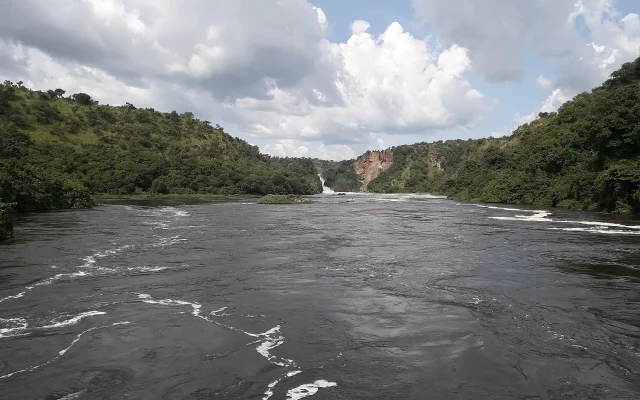
Uganda remains an important elephant conservation destination, with protected populations in major wildlife ecosystems including Murchison Falls National Park, Queen Elizabeth National Park, and Kidepo Valley National Park.
This guide explores African elephant conservation, threats, protection strategies, anti-poaching efforts, habitat preservation, tourism’s role, and why responsible safari travel matters.
Why African Elephants Need Conservation
Elephants are not simply large mammals—they are ecological engineers whose survival affects biodiversity across entire landscapes.
Protecting elephants matters because they:
- Shape ecosystems
- Create wildlife pathways
- Disperse seeds
- Influence vegetation structure
- Support biodiversity processes
- Drive safari tourism economies
- Represent flagship wildlife conservation value
Conservation Status Challenges
African elephants require active long-term conservation management.
Major pressures include:
- Habitat loss
- Poaching
- Human conflict
- Habitat fragmentation
- Corridor disruption
- Land-use pressure
Major Threats to African Elephants
1. Habitat Loss
Habitat loss is one of the greatest threats to elephant survival.
Elephants need enormous landscapes to survive because of their:
- Large body size
- Huge food requirements
- Water dependency
- Movement behaviour
- Family herd ecology
When habitat shrinks, elephant survival becomes increasingly difficult.
Main Drivers of Habitat Loss
- Agricultural expansion
- Human settlement growth
- Infrastructure development
- Land conversion
- Resource extraction pressure
2. Habitat Fragmentation
Fragmentation is especially dangerous because elephants depend on movement connectivity.
Consequences include:
- Blocked migration routes
- Restricted movement
- Population isolation
- Increased conflict risk
- Ecological stress
3. Human-Elephant Conflict
This is one of the most serious elephant conservation challenges.
Conflict often occurs when elephants move into agricultural or settlement zones.
Conflict triggers include:
- Crop raiding
- Territory overlap
- Habitat encroachment
- Resource competition
Why Conflict Is So Dangerous
Conflict creates risk for both people and elephants, often leading to retaliatory harm, population pressure, and reduced tolerance for wildlife conservation.
4. Poaching
Poaching remains one of the most historically significant elephant threats.
Poaching pressure has devastating impacts because elephants reproduce slowly and rely on stable social systems.
Impact of Poaching
- Population decline
- Family disruption
- Loss of mature individuals
- Social instability
- Ecological consequences
5. Corridor Loss
Movement corridors are essential for elephant ecology.
When blocked, elephants face:
- Restricted access to resources
- Greater conflict exposure
- Reduced adaptive movement
6. Water Stress
Because elephants are highly water dependent, changing ecological conditions can create habitat pressure.
7. Small Population Isolation
Fragmented populations face long-term conservation vulnerability.
Elephant Conservation in Uganda
Murchison Falls National Park
Uganda’s most important elephant conservation landscape.
Conservation significance includes:
- Strong elephant populations
- Large habitat protection
- Tourism value
- Ecological importance
Queen Elizabeth National Park
Another critical elephant conservation ecosystem with diverse habitat protection.
Kidepo Valley National Park
Remote wilderness habitat with major elephant conservation significance.
Protected Areas Matter
Protected ecosystems are essential for elephant survival.
They provide:
- Habitat security
- Movement space
- Reduced conflict exposure
- Wildlife law enforcement
- Ecological continuity
Anti-Poaching Efforts
Strong anti-poaching protection remains critical.
Key approaches include:
- Ranger patrols
- Protected area enforcement
- Monitoring systems
- Wildlife crime prevention
- Intelligence-led conservation operations
Habitat Protection
Long-term elephant conservation depends fundamentally on habitat preservation.
Conservation priorities:
- Protected area management
- Corridor conservation
- Landscape planning
- Habitat restoration
- Connectivity preservation
Conflict Mitigation
Reducing human-elephant conflict is one of conservation’s most important priorities.
Potential strategies include:
- Community engagement
- Crop protection systems
- Coexistence planning
- Awareness programs
- Landscape zoning
Community Conservation
Elephant conservation depends heavily on community involvement.
Successful protection requires local people to benefit from conservation.
Approaches may include:
- Tourism employment
- Revenue sharing
- Education
- Community partnerships
- Alternative livelihoods
Research and Monitoring
Scientific monitoring supports effective conservation management.
Research helps with:
- Population understanding
- Movement tracking
- Threat detection
- Habitat planning
- Conflict analysis
Tourism and Elephant Conservation
Responsible safari tourism can strongly support elephant conservation.
Benefits include:
- Protected area funding
- Employment creation
- Wildlife value generation
- Global conservation awareness
- Long-term protection incentives
Why Elephant Tourism Matters
Elephants are among Africa’s most commercially valuable wildlife species.
Their tourism value helps strengthen conservation economics.
Conservation Challenges Ahead
- Growing human populations
- Land conversion pressure
- Infrastructure expansion
- Conflict complexity
- Funding continuity needs
- Climate-related ecological stress
Conservation Myths
Myth: Elephants Are Safe Because They Are Famous
Reality: Global recognition does not guarantee conservation security.
Myth: Protected Parks Alone Solve Everything
Reality: Wider landscapes and corridors matter enormously.
Myth: Tourism Automatically Protects Elephants
Reality: Tourism must be ethical and conservation-linked.
How Travelers Help Elephant Conservation
Visitors can contribute by:
- Choosing responsible safari operators
- Supporting conservation tourism
- Respecting wildlife rules
- Promoting ethical wildlife travel
Uganda’s Elephant Conservation Strengths
- Strong protected landscapes
- Safari tourism value
- Major elephant habitats
- Big Five conservation importance
- Growing conservation awareness
Interesting Conservation Facts
- Elephants are ecosystem engineers
- Poaching remains a major threat
- Habitat loss is critically important
- Corridors matter greatly
- Tourism can support conservation