Explore this species across our habitat guide, where to see page, and safari planning resources - plus parks such as linked destinations.
Unlike smaller wildlife species with limited spatial needs, elephants require enormous landscapes to survive. Their movement patterns, feeding behaviour, and social systems are shaped directly by habitat quality and connectivity. Understanding African elephant habitat helps explain why elephants are ecological engineers, why habitat loss creates such severe conservation challenges, and why protected wilderness landscapes remain essential.
Uganda offers exceptional elephant habitats across several protected ecosystems, making it one of East Africa’s rewarding destinations for elephant safaris.
This guide explores where African elephants live, habitat types, Uganda elephant ecosystems, ecological adaptations, and major habitat conservation challenges.
Where Do African Elephants Live?
African elephants occur across parts of sub-Saharan Africa where suitable habitat, food resources, water access, movement space, and protection remain.
Historically, elephant distribution was far broader, but habitat pressure has reduced range significantly.
Today, elephants survive primarily in protected landscapes and managed ecosystems.
Countries with African Elephant Populations
Elephants occur in multiple African countries, especially those with major wildlife conservation landscapes.
Important safari destinations include:
- Uganda
- Kenya
- Tanzania
- Botswana
- Zimbabwe
- Zambia
- Namibia
- South Africa
Where Elephants Live in Uganda
1. Murchison Falls National Park
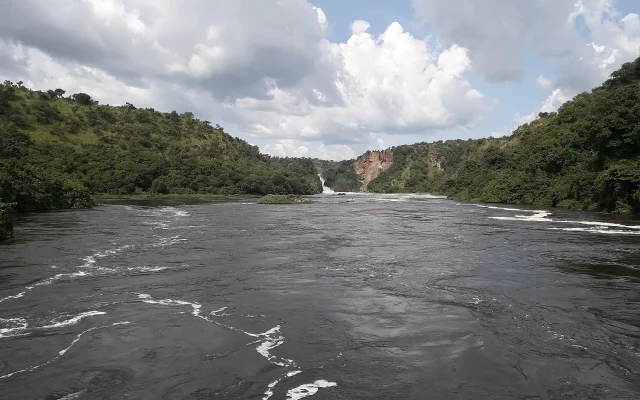
Murchison Falls National Park is Uganda’s strongest elephant habitat and one of the country’s top wildlife ecosystems.
Habitat features include:
- Open savannah
- Woodland systems
- Riverine ecosystems
- Floodplain wildlife areas
- Large protected landscapes
This habitat supports some of Uganda’s best elephant safari encounters.
2. Queen Elizabeth National Park
Queen Elizabeth supports important elephant habitat across diverse ecological zones.
Habitat characteristics:
- Savannah grassland
- Woodland habitat
- Wetland systems
- Mixed wildlife ecosystems
3. Kidepo Valley National Park
Kidepo offers dramatic remote elephant habitat in northern Uganda.
This is one of Uganda’s wildest large mammal landscapes.
4. Kibale / Forest-Edge Regions
Some elephant presence occurs in forest-edge and transitional ecosystems depending on conservation context.
Main African Elephant Habitat Types
1. Savannah Habitat
The classic African elephant habitat.
Key characteristics:
- Open grasslands
- Scattered trees
- Broad movement space
- Seasonal feeding opportunities
- Water-dependent wildlife systems
Savannah habitat supports classic safari elephant viewing.
2. Woodland Habitat
Woodlands provide:
- Shade
- Browse feeding opportunities
- Movement cover
- Thermal comfort
3. Floodplains
Floodplain habitats support seasonal food productivity and water access.
4. Riverine Ecosystems
River systems are critically important because elephants depend heavily on water.
Benefits include:
- Drinking access
- Cooling opportunities
- Vegetation productivity
- Wildlife concentration zones
5. Mixed Habitat Landscapes
Many elephant ecosystems combine multiple habitat types, creating highly productive movement landscapes.
What Makes Good Elephant Habitat?
Water Availability
Elephants depend heavily on water.
Water supports:
- Drinking
- Cooling
- Habitat productivity
- Movement patterns
Food Availability
Elephants consume huge quantities of vegetation.
Habitat must provide:
- Grass
- Leaves
- Bark
- Shoots
- Fruit
- Browse vegetation
Space
Large-scale movement is essential.
Elephants require:
- Migration room
- Family movement space
- Resource access
- Safe dispersal opportunities
Movement Corridors
Connectivity between habitats is crucial.
Fragmented landscapes severely impact elephant survival.
Safety from Human Pressure
Human disturbance can make habitat unsuitable.
Habitat and Elephant Behaviour
Habitat shapes elephant behaviour profoundly.
Examples include:
- Movement decisions
- Feeding patterns
- Water dependency
- Social group movement
- Conflict risk
Habitat and Social Structure
Family herds require stable habitat conditions for safe movement and calf survival.
Migration and Movement
Elephants are large-scale movers.
Movement may be influenced by:
- Seasonal food availability
- Water access
- Habitat quality
- Human pressure
- Ecological change
Habitat Adaptations
Large Body Size
Supports movement and resource use but increases habitat demands.
Trunk Function
Allows flexible feeding across habitat types.
Tusk Use
Helps modify habitat through digging and foraging.
Social Learning
Experienced matriarchs help navigate habitat knowledge.
Elephants as Habitat Engineers
Elephants actively shape ecosystems.
Examples:
- Opening vegetation
- Creating pathways
- Seed dispersal
- Accessing water resources
- Changing habitat structure
Habitat Threats
1. Habitat Loss
One of the most serious elephant conservation threats.
Main drivers:
- Agricultural expansion
- Settlement growth
- Land conversion
- Infrastructure development
2. Habitat Fragmentation
Fragmentation reduces movement freedom and increases conflict.
3. Human-Elephant Conflict
Conflict often intensifies when elephant habitat overlaps with agriculture or settlements.
4. Corridor Loss
Blocked migration routes can severely affect elephant ecology.
Protected Elephant Habitats in Uganda
- Murchison Falls National Park
- Queen Elizabeth National Park
- Kidepo Valley National Park
Uganda Elephant Habitat Comparison
Murchison
- Best elephant habitat
- Broad savannah ecosystems
- Strong riverine wildlife support
Queen Elizabeth
- Diverse elephant habitat
- Strong safari viewing
Kidepo
- Remote wilderness habitat
- Exceptional scenic value
Climate and Habitat
Rainfall patterns strongly influence elephant habitat productivity, water distribution, and movement behaviour.
Conservation Importance of Habitat
Elephant conservation depends fundamentally on habitat protection.
Key priorities:
- Protected areas
- Corridor preservation
- Conflict mitigation
- Landscape connectivity
- Long-term habitat planning
Interesting Habitat Facts
- Elephants need huge landscapes
- Water is essential to habitat quality
- Elephants actively reshape ecosystems
- Murchison is Uganda’s best elephant habitat
- Habitat fragmentation is a major threat