Explore this species across our habitat guide, where to see page, and safari planning resources - plus parks such as linked destinations.
However, timing still matters. Seasonal rainfall, vegetation growth, water distribution, road accessibility, safari comfort, and photography conditions can significantly influence the quality of elephant viewing experiences.
Uganda offers outstanding elephant safari experiences year-round, particularly in Murchison Falls National Park, Queen Elizabeth National Park, and Kidepo Valley National Park.
This guide explores the best time to see African elephants, seasonal safari conditions, monthly travel insights, and destination-specific recommendations.
Can You See African Elephants Year-Round?
Yes.
African elephants remain present in protected ecosystems throughout the year.
Because elephants depend on stable habitat systems with food and water, safari travelers can encounter them in every season.
What Changes by Season?
Season influences:
- Vegetation density
- Wildlife visibility
- Road conditions
- Photography quality
- Safari comfort
- Water concentration patterns
- Movement behaviour
Understanding Elephant Safari Seasons
Uganda’s safari year broadly divides into:
- Dry seasons
- Wet seasons
Dry Season Elephant Viewing
Main Dry Seasons in Uganda
- December to February
- June to September
These are generally the strongest safari periods.
Why Dry Season Is Excellent
- Shorter vegetation improves visibility
- Road access is easier
- Game drives are more comfortable
- Photography conditions improve
- Wildlife may concentrate around water
- Travel logistics are easier
Potential Downsides
- Higher visitor demand
- Peak pricing
- Advance booking requirements
Wet Season Elephant Viewing
Main Wet Seasons
- March to May
- October to November
Advantages
- Lush landscapes
- Dramatic scenery
- Beautiful photography atmosphere
- Greener wildlife ecosystems
- Potentially fewer visitors
Challenges
- Taller vegetation
- Reduced visibility
- Muddy roads
- Rain interruptions
- More difficult access conditions
How Seasons Affect Elephant Behaviour
Elephants remain active year-round, but ecological conditions influence movement and encounter patterns.
Important factors:
- Water distribution
- Food availability
- Habitat productivity
- Temperature
- Movement requirements
Dry Season Elephant Behaviour
Dry conditions may create:
- More predictable movement toward water
- Improved visibility
- Concentrated wildlife viewing opportunities
Wet Season Elephant Behaviour
Wet conditions may result in:
- Wider dispersal
- More extensive feeding opportunities
- Greater vegetation cover
Month-by-Month Elephant Safari Guide
January
Excellent safari month.
- Dry conditions
- Strong visibility
- Excellent game drives
February
Another top month for elephant safaris.
March
Transition into wetter conditions.
Expect:
- Greener scenery
- Rain possibility
- Changing visibility
April
Typically wetter conditions.
- Lush vegetation
- Rain
- Mud challenges
May
Wet conditions may continue, though wildlife remains rewarding.
June
Dry conditions improve.
Excellent for:
- Safari logistics
- Elephant viewing
- Photography
July
Peak safari month.
Outstanding elephant viewing conditions.
August
Excellent safari timing.
September
Generally favorable with strong wildlife viewing.
October
Rain likelihood increases.
November
Greener conditions with potential rain.
December
Strong safari month with holiday demand.
Best Time by Uganda Destination
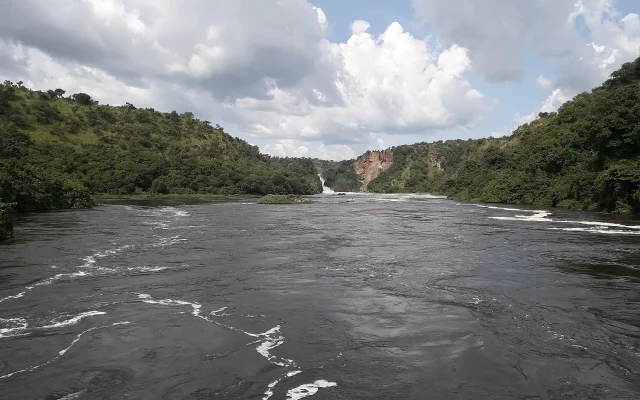
Murchison Falls National Park
Excellent year-round, but dry seasons are generally strongest.
Best Months
- January
- February
- June
- July
- August
Queen Elizabeth National Park
Excellent all year with strong dry-season safari performance.
Kidepo Valley National Park
Best during drier periods for classic wildlife access and game drive conditions.
Best Time for Elephant Photography
Photography depends on:
- Light quality
- Vegetation density
- Weather stability
- Background scenery
- Road access
Dry Season Photography
- Cleaner visibility
- Easier tracking
- Stable logistics
- Predictable access
Wet Season Photography
- Greener landscapes
- Dramatic skies
- Atmospheric safari imagery
Best Time for Family Elephant Safaris
Dry seasons are often easiest due to smoother logistics and easier game viewing.
Best Time for Luxury Elephant Safaris
Luxury travelers often prefer dry-season predictability.
Best Time for Budget Travelers
Shoulder and wetter periods may provide broader pricing flexibility.
Best Time of Day to See Elephants
Elephants may be active throughout the day, but especially around:
- Morning movement periods
- Water access times
- Cooler afternoon periods
Packing by Season
- Neutral safari clothing
- Sun protection
- Binoculars
- Camera gear
- Rain jacket (wet season)
- Layered safari clothing
Season Comparison
Dry Season
- Best visibility
- Easier logistics
- Peak safari demand
Wet Season
- Beautiful scenery
- Fewer tourists
- More challenging access
Interesting Timing Facts
- Elephants can be seen year-round
- Dry seasons improve safari logistics
- Water influences elephant movement
- Murchison is excellent in dry months
- Wet seasons create beautiful photography conditions