Abyssinian ground hornbill conservation reflects the vulnerability of long-lived, slow-breeding savannah specialists. Listed as Vulnerable by the IUCN, Bucorvus abyssinicus depends on large intact grassland ecosystems and faces threats from habitat loss, persecution, and poisoning — making protected areas such as Murchison Falls and Kidepo Valley essential refugia in Uganda. Explore habitat protection, where ground hornbills live, and responsible safari tourism.
Global Status — Vulnerable
The IUCN Red List classifies the Abyssinian ground hornbill as Vulnerable, citing population declines across parts of its African range. The species is not as critically imperilled as the southern ground hornbill (Bucorvus leadbeateri) of southern Africa — classified Endangered — but faces similar threats: habitat loss, slow reproduction, persecution, and poisoning.
Ground hornbills require large territories, mature roost trees, and freedom from human persecution. Populations outside well-managed protected areas are often declining even where the species still appears present.
Uganda's Conservation Position
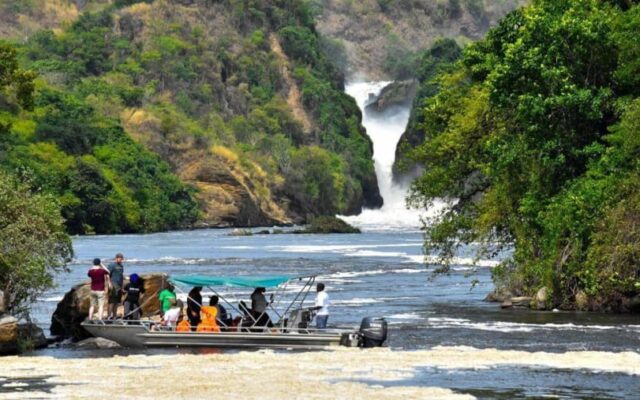
Uganda holds significant Abyssinian ground hornbill populations within Murchison Falls and Kidepo Valley national parks. Both parks protect contiguous savannah large enough to support multiple family groups — a scale increasingly rare across the African range as grassland is converted to agriculture.
Murchison's northern bank is among the most reliable ground hornbill habitats in East Africa. Kidepo's Narus Plains support healthy groups in a remote setting with lower human pressure than more accessible savannah. Together, these parks anchor national conservation for the species.
Biological Vulnerability
Ground hornbill life history amplifies conservation risk:
- Slow reproduction: One to two eggs per clutch; usually only one chick fledges
- Delayed maturity: Sexual maturity may take five years or more
- Cooperative breeding: Population growth depends on helper survival and territory stability
- Long lifespan: 40–50+ years — mortality spikes have lasting population effects
A single poisoning event can eliminate an entire family group — removing breeders and helpers simultaneously and vacating a territory that may take years to recolonise.
Threats
Habitat Loss and Degradation
Savannah conversion to cropland, overgrazing, and charcoal production removes foraging ground and roost trees. Ground hornbills cannot persist in fragmented grassland patches below territory size thresholds.
Persecution
Ground hornbills occasionally take small domestic poultry, leading to retaliatory killing near pastoral communities. Traditional beliefs in some cultures assign medicinal or ritual value to hornbill parts, creating additional harvest pressure outside protected areas.
Secondary Poisoning
Pesticide and rodenticide use on agricultural land poisons prey items — insects, rodents, and reptiles — that ground hornbills consume. Group mortality from a single contaminated food source is documented across Africa and represents a serious modern threat.
Trade and Collection
Illegal trade in hornbill parts for traditional medicine and curio markets affects some populations. International protection under CITES Appendix II regulates trade in hornbill species.
Protected Area Management
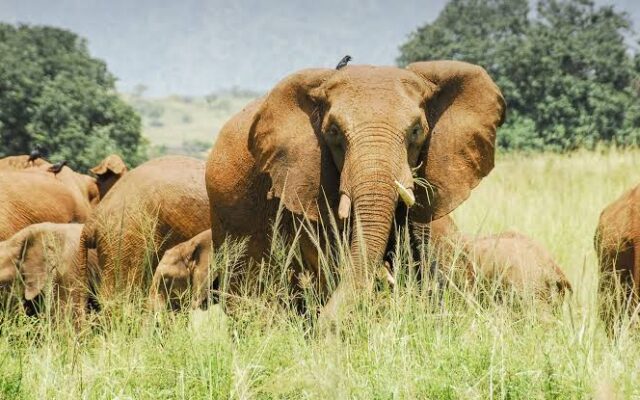
Murchison Falls and Kidepo Valley operate under Uganda Wildlife Authority management — anti-poaching patrols, fire management for savannah mosaic maintenance, and tourism regulation. Park fees and concession revenue fund core protection operations that benefit ground hornbills alongside elephants, lions, and buffalo.
Research and Monitoring
Ground hornbill ecology has received increasing research attention across Africa — territory mapping, group demographics, and reintroduction programmes in southern Africa inform conservation strategies. Uganda would benefit from systematic population surveys in Murchison and Kidepo to establish baseline counts and track trends over time.
Tourism as a Conservation Tool
Every park entry fee and licensed safari contributes to Uganda Wildlife Authority budgets. Ground hornbills are a signature birding attraction on Murchison and Kidepo drives — adding value beyond Big Five checklist species. Birding tourism diversifies economic arguments for northern park protection.
Responsible visitors amplify this effect by booking licensed operators, following track rules, and maintaining distance from foraging groups. See Uganda safari packages from reputable sources and our birding safaris category for specialist circuits.
How Travellers Can Help
- Visit Murchison Falls and Kidepo on northern Uganda circuits — tourism revenue supports protection
- Book through licensed operators paying official park fees
- Report persecution or poisoning signs to Uganda Wildlife Authority rangers
- Maintain respectful viewing distance — especially near nest areas in breeding season
- Share sightings with guides and lodges to support informal monitoring
Looking Ahead
Abyssinian ground hornbill conservation in Uganda is achievable if Murchison and Kidepo remain secure and persecution outside park boundaries is reduced. The species is not imminently threatened within these protected areas — but range-wide declines elsewhere demonstrate what happens when savannah fragments and poisoning intensifies. Sustained funding, community partnership, and visitor engagement keep Uganda's ground hornbills on stable ground.