

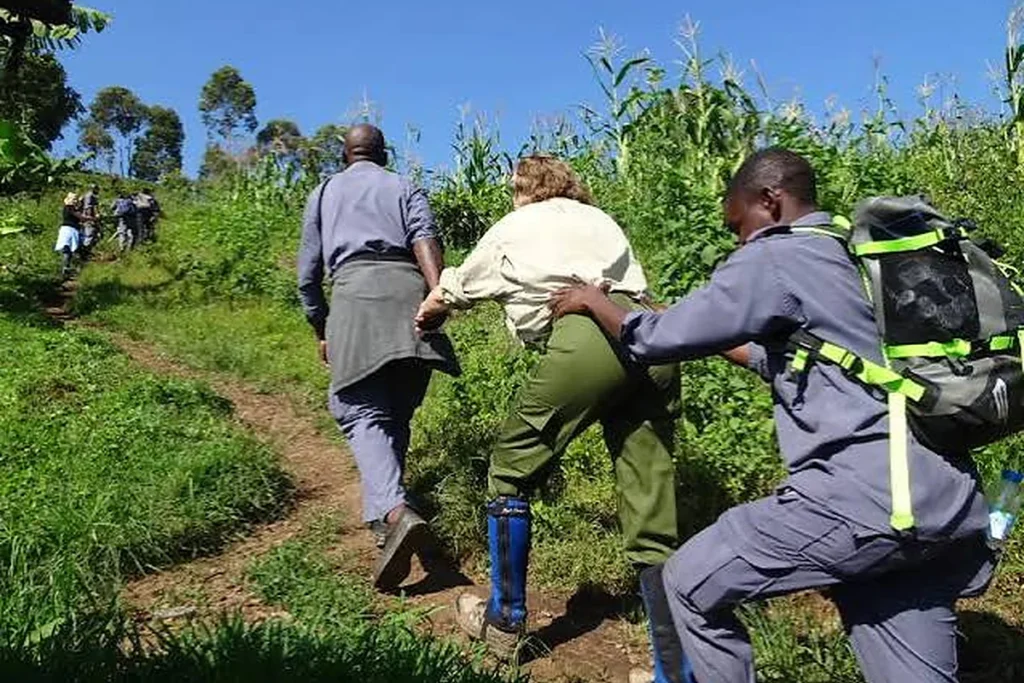
What Happens If You Cannot Finish a Gorilla Trek?
Imagine traveling thousands of miles to Uganda, securing your gorilla trekking permit, and stepping into the misty forests of Bwindi, only to realize halfway through that you cannot take another step. Your legs ache, the trail grows steeper, and the mountain gorillas are still somewhere ahead. What happens if you cannot finish a gorilla trek? Will the rangers help you, can someone carry you, or will you lose your chance to see the gorillas?
These concerns are more common than you might think, especially among first-time trekkers, senior travelers, and visitors with limited hiking experience. Gorilla trekking in Uganda can challenge your endurance, but physical difficulties do not always mean the end of your adventure. Experienced ranger guides, local porters, and prearranged assisted trekking services can provide valuable support.
Whether you plan to visit Bwindi Impenetrable National Park or Mgahinga Gorilla National Park, understanding your options before entering the forest can make all the difference. This guide explains what happens when you struggle during a gorilla trek, what assistance you can expect, whether you can recover your permit costs, and how to prepare for a safer, more comfortable experience.
Can You Stop a Gorilla Trek Before Reaching the Gorillas?
Yes. You can stop a gorilla trek if you experience severe fatigue, physical discomfort, illness, or another problem that prevents you from continuing safely.
Gorilla trekking involves walking through natural rainforest rather than following smooth, maintained hiking paths. Some routes include slippery slopes, thick vegetation, exposed tree roots, and steep climbs.
Your ranger guide will assess the situation and discuss your options.
If you need a short break, the group may pause when conditions allow. However, rangers must also consider the safety, schedule, and needs of other participants.
If you cannot continue, park personnel can coordinate assistance and help you return to a suitable location.
Never force yourself to continue when you feel physically unsafe. Reaching the gorillas matters, but your health matters more.
Why Do Some Travelers Struggle to Complete Gorilla Trekking?
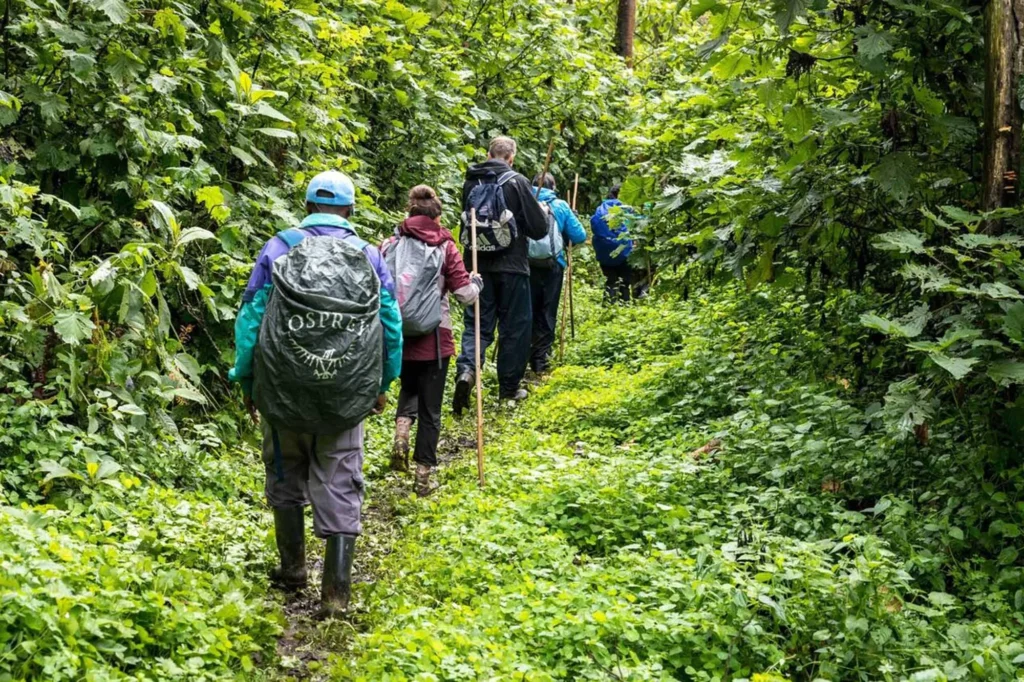
Several factors can make a gorilla trek more demanding than travelers expect.
1. Steep and Uneven Forest Terrain
Bwindi’s mountainous landscape creates challenging walking conditions. Some trekking routes cross hillsides, muddy slopes, and dense vegetation.
Travelers who rarely hike on uneven ground may struggle with balance, especially during steep descents.
Even relatively fit visitors can find the terrain demanding.
2. Physical Exhaustion
Gorilla trekking can last anywhere from approximately two to eight hours, although some encounters take less or more time.
The gorillas move freely through their forest habitat. Rangers therefore cannot guarantee how far you will walk before reaching them.
Long climbs, humidity, and repeated changes in elevation can cause fatigue.
3. Unexpected Illness
Headaches, stomach problems, dehydration, or respiratory symptoms can affect your ability to walk comfortably.
Travelers who arrive after long international flights may also experience fatigue.
If you feel unwell before the trek, inform your safari guide and park officials.
4. Existing Mobility Challenges
Knee pain, arthritis, previous injuries, and limited balance can make forest trekking difficult.
Older travelers sometimes worry about these challenges, but age alone does not determine trekking ability.
Read our guide to gorilla trekking in Uganda for more information about the overall experience.
What Happens When You Become Too Tired to Continue?
If you experience exhaustion during your trek, tell your ranger guide immediately.
The ranger will consider your condition, the terrain, your location, and the available assistance.
Step 1: Inform Your Ranger Guide
Explain how you feel instead of silently struggling.
Tell your guide whether you need water, rest, physical assistance, or medical attention.
Early communication gives the team more opportunities to help.
Step 2: Take a Short Rest
If conditions permit, your guide may allow a brief stop.
Drink water, eat a light snack, and assess whether you can continue comfortably.
Avoid rushing back into strenuous walking.
Step 3: Consider Available Assistance
A porter may help you navigate difficult sections or carry your belongings.
However, porters cannot automatically provide full carrying services without suitable arrangements.
If you require substantial mobility assistance, your guide must evaluate the available options.
Step 4: Return Safely if Necessary
If you cannot continue, park staff can coordinate your return.
Depending on your location and circumstances, you may need to walk back with assistance or wait for an appropriate support arrangement.
Do not leave the trekking group independently.
Can Rangers Arrange an Easier Gorilla Trek?
Rangers sometimes consider visitors’ fitness levels, ages, and mobility needs when allocating gorilla trekking groups.
During the morning briefing, explain any physical limitations honestly.
Park officials may try to match you with a suitable group based on the available gorilla locations.
However, no ranger can guarantee an easy or short gorilla trek.
Mountain gorillas move throughout their habitat, and yesterday’s accessible location may become today’s challenging route.
You should therefore prepare for unpredictable trekking conditions even when you request a less demanding experience.
Can Porters Help You Finish a Difficult Gorilla Trek?
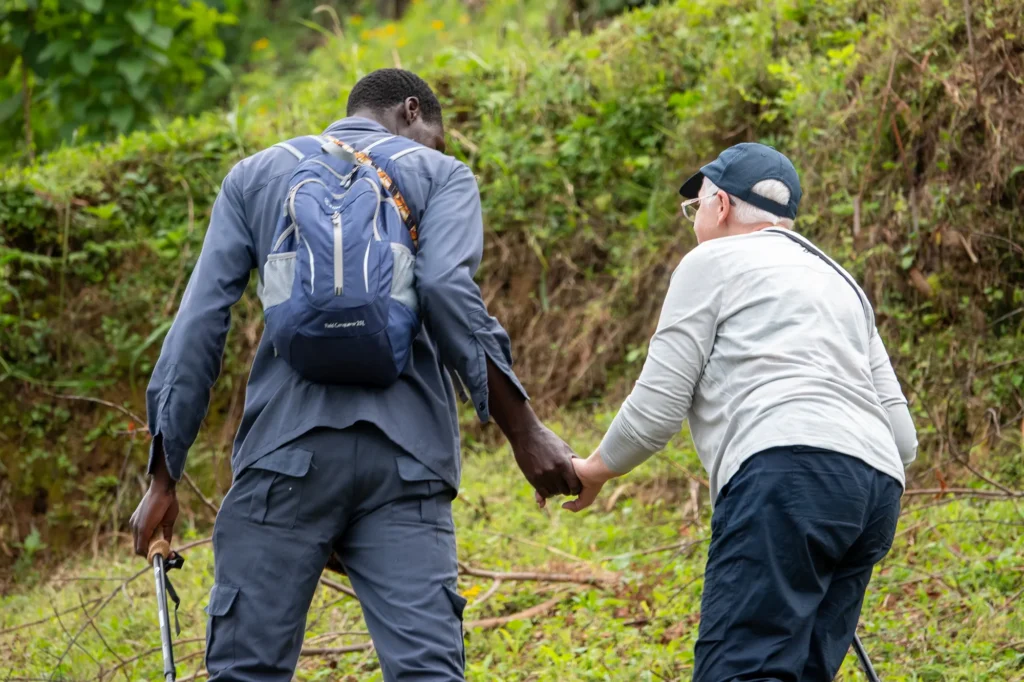
Yes. Hiring a local porter can significantly improve your trekking experience.
Porters assist visitors with bags, equipment, and challenging forest sections.
What Does a Gorilla Trekking Porter Do?
Your porter can carry your drinking water, packed lunch, camera equipment, and rain jacket.
They may also offer a steady hand when you climb steep slopes or cross slippery ground.
This assistance helps you conserve energy and concentrate on walking safely.
How Much Does a Porter Cost?
Porter fees commonly start around US$20 per trek, although local rates can vary.
Confirm the current charge with your safari operator before departure.
Hiring a porter also supports employment opportunities for communities surrounding Uganda’s gorilla parks.
Even confident hikers can benefit from porter assistance.
Can Someone Carry You During Gorilla Trekking?
Some visitors require more assistance than an ordinary porter can provide.
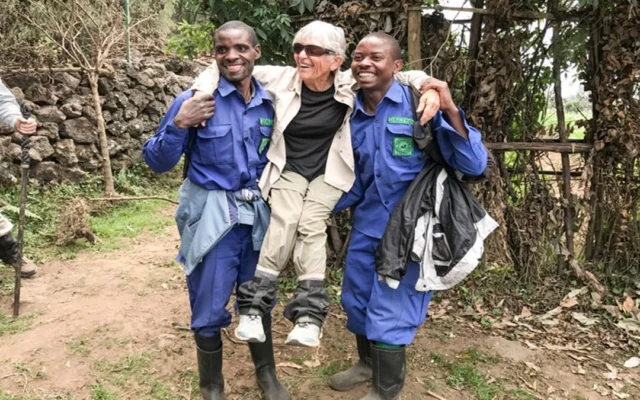
In parts of Bwindi, local teams offer sedan-chair or stretcher services for travelers with substantial mobility limitations.
How Does a Gorilla Trekking Sedan Chair Work?
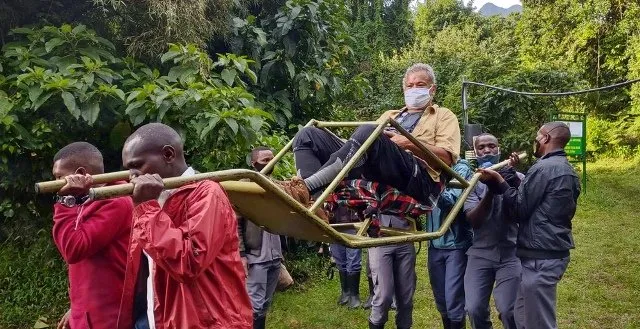
A team of porters carries the visitor using specialized equipment along a suitable forest route.
This service can help some older travelers and visitors with mobility challenges reach gorilla viewing areas.
However, the forest terrain creates practical limitations.
Park officials and assistance teams must consider the visitor’s condition, available equipment, route difficulty, and safety.
Can You Request a Sedan Chair After Starting?
You should not rely on arranging a sedan chair after you become exhausted.
Availability varies, and a carrying team may not reach your location quickly.
If you anticipate difficulty walking, discuss assisted trekking arrangements before your safari.
Your operator can help confirm availability, pricing, and practical requirements.
Will You Receive a Refund if You Cannot Finish Gorilla Trekking?
Refund eligibility depends on the circumstances and the applicable Uganda Wildlife Authority permit rules.
If you voluntarily stop because of exhaustion, discomfort, or personal preference, you should not assume that you will receive a refund.
Different arrangements may apply when park authorities cancel an activity or another qualifying circumstance prevents trekking.
What if You Become Sick Before Trekking?
Inform your safari operator and park officials immediately.
Because mountain gorillas can contract certain human infections, visitors with potentially contagious illnesses should not join a gorilla trek.
Ask your operator to check whether current UWA rules provide any applicable refund, rescheduling, or other option.
Never assume that illness automatically guarantees compensation.
Can You Try Gorilla Trekking Again?
You may arrange another trek if your health allows and permits remain available.
However, a second attempt normally requires a valid permit for the new trekking date.
Discuss your circumstances with your operator before making additional payments.
For permit information, explore how much gorilla trekking in Uganda costs.
What Happens if You Get Injured During Gorilla Trekking?
Forest trekking involves natural risks, including slips, falls, and muscle injuries.
If you sustain an injury, stop walking and alert your ranger immediately.
The team will assess the situation and coordinate appropriate assistance.
Minor problems may require rest and support. More serious injuries may require evacuation and professional medical care.
Remote forest conditions can delay access to medical facilities.
For this reason, travelers should obtain suitable travel insurance that covers trekking activities and emergency evacuation.
Review your policy carefully before departure.
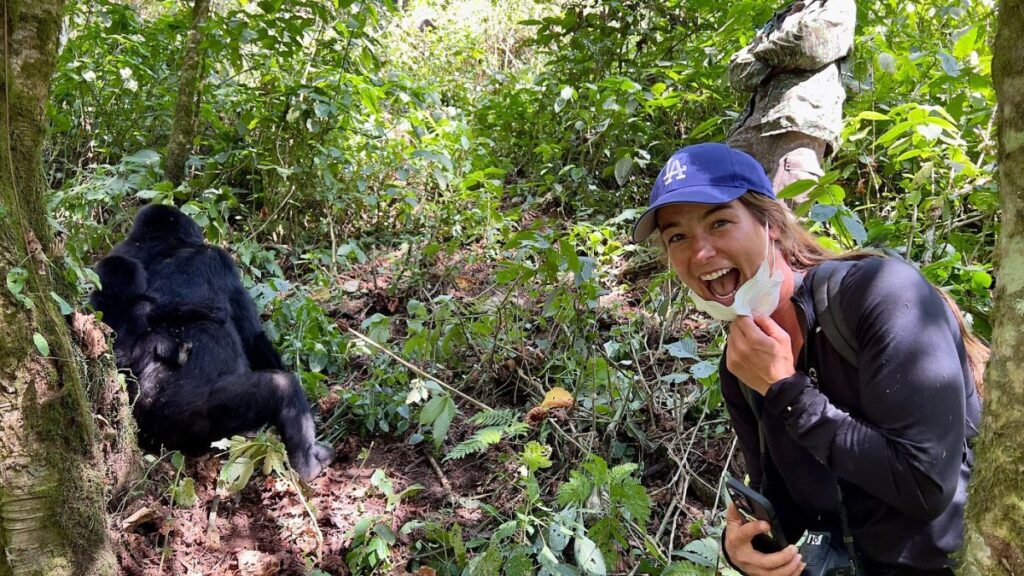
How Can You Avoid Failing to Complete Your Gorilla Trek?
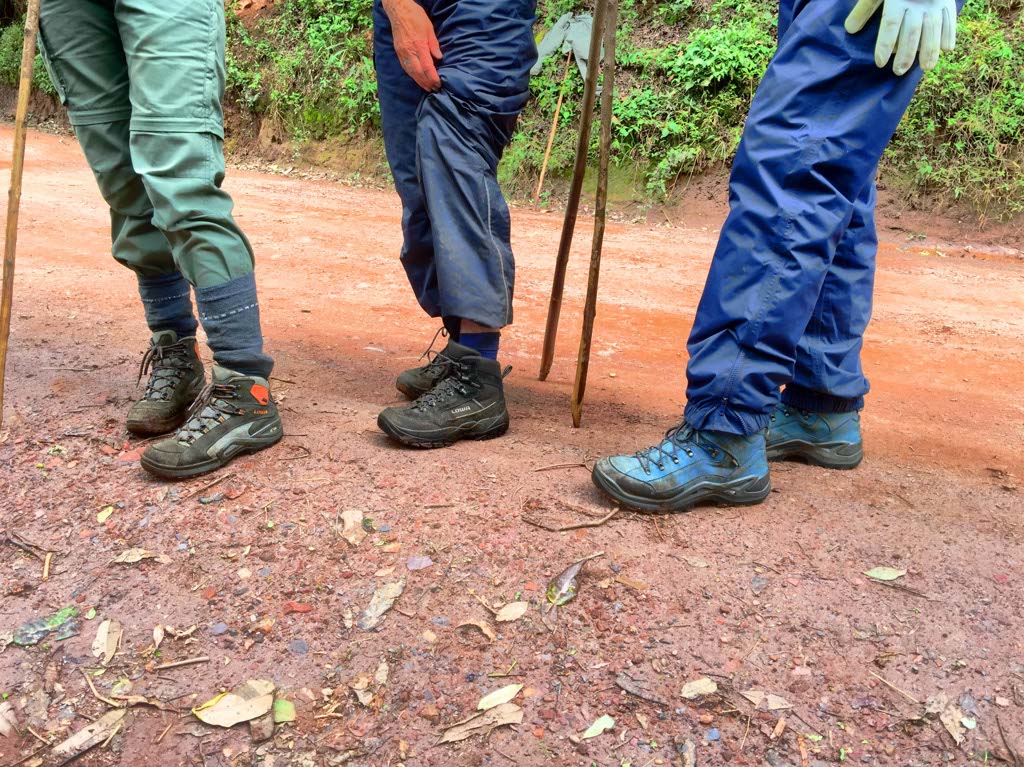
- Preparation can make a considerable difference to your comfort and endurance.
Improve Your Fitness Before Traveling
Begin regular walking several weeks before your safari. - Practice on gentle hills and uneven surfaces when possible.
- Gradually build your stamina without exceeding your physical limits.
Choose Suitable Trekking Equipment
Wear waterproof hiking boots with strong grip. - Carry a walking stick, rain jacket, drinking water, and light snacks.
- Avoid heavy backpacks, especially if you have limited stamina.
Select a Suitable Gorilla Trekking Sector
Bwindi has four main trekking sectors: Buhoma, Ruhija, Rushaga, and Nkuringo. - Each sector features different landscapes and accommodation options.
- However, none guarantees an easy trek.
- Discuss your fitness level with your safari operator before selecting your permit location.
- Our Bwindi gorilla trekking sectors guide explains the main differences.
Travel During Relatively Drier Months June through September and December through February generally offer comparatively drier conditions. - Less muddy terrain may improve walking comfort. Nevertheless, rain can fall throughout the year.
Frequently Asked Questions
- What if I Cannot Walk Any Further During Gorilla Trekking?Tell your ranger immediately. The team will assess your condition and determine whether you need rest, assistance, or help returning safely.
- Can I Turn Back While Other Tourists Continue? Park personnel may coordinate a separate return with appropriate assistance. Never attempt to navigate the forest alone.
- Will I Lose My Gorilla Trekking Permit? If you start trekking but cannot finish, you should not assume that UWA will replace your permit or provide a refund.
- Can Seniors Complete Gorilla Trekking? Yes. Many seniors successfully trek gorillas. Suitable preparation, realistic fitness assessments, and porter assistance can improve their experience.
- Is Gorilla Trekking Worth the Physical Effort? For many travelers, encountering mountain gorillas in their natural habitat makes the physical effort worthwhile. However, every visitor should prioritize personal safety.
Plan a Comfortable Gorilla Trekking Safari in Uganda
Not finishing a gorilla trek can feel disappointing, but you should never sacrifice your health to reach the gorillas.
Experienced rangers, local porters, and suitable trekking arrangements can help you manage physical challenges.
The best approach involves honest communication, realistic preparation, and careful safari planning.
At Lion on the rock tours, we help travelers choose suitable gorilla trekking sectors, arrange porter assistance, select comfortable accommodation, and plan private transfers.
Whether you are a first-time trekker, senior traveler, or visitor with mobility concerns, our team can help you understand your options before booking.
Contact us today to plan a gorilla trekking experience that suits your fitness, comfort, and travel expectations.
 Read