Related pricing guides
- Uganda Safari Cost: Complete Guide to Planning Your African Safari Budget
- How Much Does a Uganda Safari Cost
- Uganda Safari Price Guide: Complete Breakdown of Safari Costs in Uganda
- Uganda Safari Cost Per Person: Complete Guide to Individual Safari Pricing in Uganda
- Uganda Tour Cost: Complete Pricing Guide for Safaris and Travel Packages
- All safari cost guides →
Introduction: Understanding What Makes a Uganda Safari Expensive
Many travelers receive a safari quotation and immediately focus on the total number without fully understanding what creates that price. A safari may appear expensive compared with ordinary holidays, but safari travel operates under a completely different cost structure. A true Uganda safari cost breakdown helps travelers understand exactly where their money goes, why safari pricing varies so dramatically, and how to make informed choices that improve value without compromising the quality of the experience.
Uganda is one of Africa’s most diverse safari destinations, offering extraordinary experiences including mountain gorilla trekking, chimpanzee tracking, Big Five wildlife safaris, Nile boat cruises, rhino tracking, birdwatching expeditions, cultural encounters, luxury fly-in adventures, and remote wilderness exploration. Because safari experiences involve specialized vehicles, conservation permits, protected area access, trained guides, fuel, accommodation, meals, logistics, and wildlife infrastructure, safari pricing naturally reflects these realities.
For example, a traveler comparing a safari to a standard city holiday may wonder why a 7-day safari costs more than a luxury beach trip. The answer lies in logistics. Safari travel is operationally intensive. Vehicles travel long distances across remote terrain. Guides are professionally trained. Conservation fees directly support protected ecosystems. Gorilla permits fund habitat protection and species preservation.
This guide breaks every major safari expense into understandable categories so travelers know exactly what shapes their Uganda safari budget.
The Average Uganda Safari Cost at a Glance
Before breaking individual components apart, it helps to understand realistic overall safari ranges.
Typical Uganda safari pricing:
Budget safari: USD 200–500 per person per day
Midrange safari: USD 500–1,000 per person per day
Luxury safari: USD 1,000–3,000+ per person per day
Ultra-luxury fly-in safari: USD 2,500–6,000+ per person per day
But where exactly does this money go?
1. Gorilla Permits: The Largest Single Cost Component
For travelers including gorilla trekking, permits are usually the single largest line item.
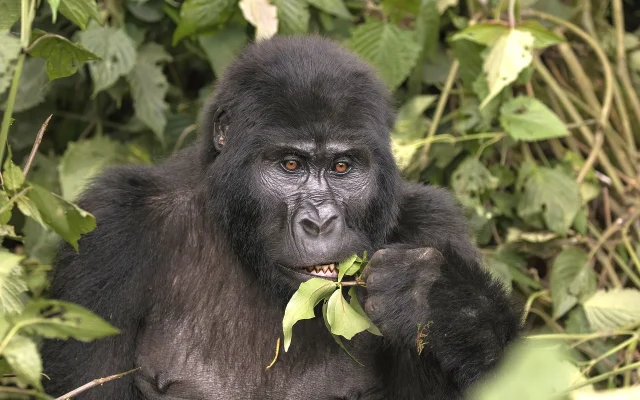
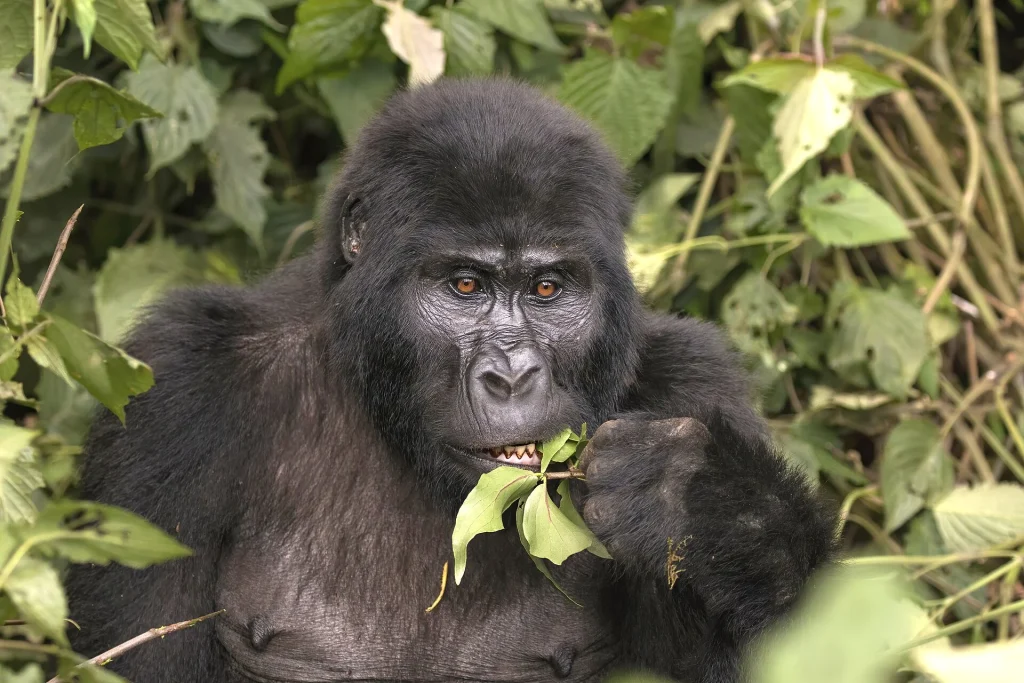
Mountain gorilla trekking is one of the world’s most extraordinary wildlife experiences—an intimate encounter with endangered mountain gorillas in their natural rainforest habitat. It is also a tightly controlled conservation activity with restricted visitor numbers, ranger support, habitat management, and heavy conservation oversight.
Because of this, permit pricing is premium.
Typical allocation:
Standard gorilla trekking permit: approximately USD 800 per traveler
Gorilla habituation experience: approximately USD 1,500 per traveler
For a couple, standard gorilla permits alone immediately account for approximately USD 1,600 before accommodation, transport, food, or any additional safari costs.
This explains why a short gorilla safari can appear expensive even when the itinerary is only a few days long.
Importantly, this cost is not arbitrary. Gorilla permits directly support:
- conservation management
- anti-poaching protection
- ranger employment
- habitat preservation
- local community benefit programs
- wildlife monitoring
Travelers are not merely purchasing access—they are participating in conservation financing.
2. Safari Vehicle and Transport Costs
Safari transportation is often the second largest budget category and one of the most misunderstood.
Travelers sometimes assume transport simply means “a car,” but safari vehicles are specialized operational assets.
A safari vehicle functions as:
- long-distance transport
- game-viewing platform
- remote logistics support
- mobile safari base
- wildlife observation platform
Uganda’s parks are spread across large geographic distances, meaning significant fuel, maintenance, and operational wear are involved.
Typical Road Safari Vehicle Costs
Estimated:
USD 220–600+ daily
This commonly includes:
- 4×4 safari vehicle
- driver-guide
- fuel
- basic operational logistics
Luxury Vehicle Costs
Premium Land Cruisers and higher-end safari vehicles command stronger pricing.
Estimated:
USD 350–900+ daily
Why higher?
Better comfort, stronger reliability, premium fittings, greater game-viewing quality, and higher operating costs.
3. Accommodation Costs
Accommodation is another major budget category.
Safari accommodation is not simply “a hotel room.” Location matters enormously. Properties near prime wildlife zones or gorilla trekking sectors command premium rates due to access value and operational difficulty.
Budget Accommodation
Typical:
USD 60–180 nightly
Budget accommodation focuses on practicality, clean rooms, functional service, and affordability.
Midrange Accommodation
Typical:
USD 180–500 nightly
This category offers the strongest value balance and suits most international travelers.
Expect:
- comfortable en-suite rooms
- quality dining
- strong safari atmosphere
- good service standards
Luxury Accommodation
Typical:
USD 500–2,000+ nightly
Luxury safari properties charge premium rates because guests pay for exclusivity, superior service, premium locations, design, and elevated comfort.
4. National Park Entry Fees
Protected area access is a fundamental safari expense.
National parks are not free-access public lands. Fees support conservation infrastructure, park management, ecological monitoring, ranger deployment, habitat protection, and tourism infrastructure.
Typical estimate:
USD 40–50+ per traveler per day
Multi-park itineraries accumulate these costs rapidly.
Common parks include:
- Bwindi
- Murchison Falls
- Queen Elizabeth
- Kibale
- Kidepo
- Lake Mburo
- Mgahinga
5. Guide Costs
Professional guiding is often embedded inside package pricing, meaning travelers underestimate its contribution.
A strong safari guide dramatically shapes the experience.
Guides contribute:
- wildlife spotting skill
- animal behavior interpretation
- navigation expertise
- park coordination
- safety oversight
- trip problem-solving
Exceptional guides elevate safari quality enormously.
Guide costs are therefore meaningful components of safari pricing.
6. Fuel Costs
Fuel is a hidden but major safari expense.
Uganda itineraries often involve substantial distances:
- Entebbe to Bwindi
- Murchison circuits
- Kibale to Queen Elizabeth
- Kidepo expeditions
Safari vehicles consume significant fuel, particularly over long overland routes.
Fuel pricing volatility can directly affect safari quotations.
7. Food and Meals
Many safari packages include meals, but food still contributes meaningfully to pricing.
Depending on category, food costs reflect:
- ingredient sourcing
- remote logistics
- staffing
- service level
- dietary customization
Remote safari lodges face higher operating costs than city restaurants.
8. Optional Activities
Optional experiences significantly change safari totals.
Examples:
Chimpanzee trekking: USD 250+
Chimpanzee habituation: USD 300+
Rhino tracking: USD 50+
Boat cruises: variable
Cultural visits: variable
Birding excursions: variable
Adding multiple premium activities can quickly increase budgets.
9. Domestic Flights
Fly-in safaris create a completely different cost structure.
Flights reduce exhausting drive times and increase comfort, but raise budgets substantially.
Typical estimate:
USD 300–800+ one way
Luxury travelers often consider this worthwhile because time savings are substantial.
10. Hidden Costs Travelers Often Forget
Secondary costs are frequently underestimated.
Common omissions include:
- international flights
- travel insurance
- visa fees
- tips
- porter fees
- airport hotels
- laundry
- alcoholic beverages
- souvenirs
- extra meals
Ignoring these can distort budgeting significantly.
Sample Cost Breakdown Example
A realistic midrange 7-day safari for two travelers might roughly break down like this:
Gorilla permits: major share
Accommodation: major share
Transport: major share
Park fees: moderate share
Food: moderate share
Optional activities: variable
Hidden expenses: often underestimated
The point is not exact numbers—it is understanding category weight.
Conclusion
A Uganda safari cost breakdown reveals that safari pricing reflects conservation, logistics, expertise, and operational complexity—not arbitrary markup. Once travelers understand where the money goes, quotations become far easier to evaluate and compare intelligently.
 Read
Read