

Related cultural guides
- Uganda Cultural Tours: Complete Guide to Authentic Cultural Experiences in the Pearl of Africa
- Kampala Cultural Tours: Discover Uganda’s Cultural, Historical and Political Heart
- Entebbe Cultural Tours: Discover Uganda’s History, Heritage, Traditions, and Local Life Around Lake Victoria
- Jinja Cultural Tours: Discover Uganda’s Cultural Capital Beyond the Source of the Nile
- Fort Portal Cultural Tours: Discover the Heritage, Traditions, and Communities of Uganda’s Tourism City
- All Uganda cultural guides →
Kabale Cultural Tours offer travelers a unique opportunity to experience the rich traditions, history, and daily life of the people who inhabit Uganda’s beautiful southwestern highlands. Often referred to as the “Switzerland of Africa” because of its rolling terraced hills, cool climate, and stunning landscapes, Kabale is much more than a scenic destination. It is a region deeply rooted in culture, home to the Bakiga people and neighboring communities whose customs, music, agriculture, and traditional way of life continue to shape the identity of the region.
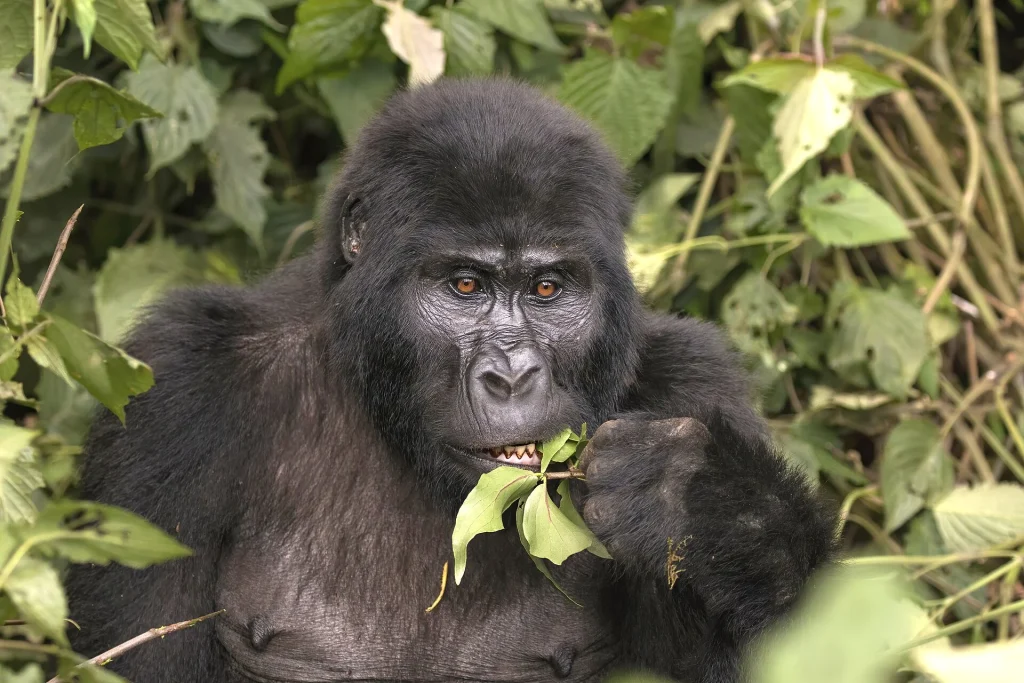
Located in southwestern Uganda near the borders of Rwanda and the Democratic Republic of Congo, Kabale serves as a gateway to some of Uganda’s most famous attractions, including Lake Bunyonyi, Bwindi Impenetrable National Park, and Mgahinga Gorilla National Park. While many visitors pass through Kabale on their way to gorilla trekking adventures, those who take time to explore the local culture discover an entirely different side of Uganda.
A Kabale cultural tour allows visitors to engage with local communities, learn about traditional farming methods, participate in cultural performances, visit historical sites, explore local markets, and gain insight into the heritage of the Bakiga people.
Why Visit Kabale for Cultural Tourism?
Kabale is one of Uganda’s most culturally rich regions and offers visitors authentic experiences that remain largely untouched by mass tourism.
Highlights include:
- Traditional Bakiga culture.
- Community village visits.
- Local music and dance performances.
- Agricultural experiences.
- Historical and cultural sites.
- Traditional cuisine.
- Craft workshops.
- Lake Bunyonyi community experiences.
These experiences create meaningful connections between visitors and local communities.
Who Are the Bakiga People?
The Bakiga are the dominant ethnic group in Kabale District and much of southwestern Uganda.
Historically, the Bakiga settled in the mountainous highlands where they developed advanced terraced farming systems to cultivate crops on steep hillsides.
Their culture is known for:
- Hard work.
- Agricultural expertise.
- Strong family values.
- Traditional music and dance.
- Community cooperation.
Visitors quickly notice the resilience and hospitality that characterize Bakiga society.
The History of Kabale
Kabale has a fascinating history shaped by migration, agriculture, trade, and colonial influence.
Cultural tours often explore:
- Early settlement patterns.
- Traditional governance systems.
- Colonial-era developments.
- Regional trade networks.
- Cultural evolution.
Understanding this history helps visitors appreciate the unique identity of the region.
Traditional Bakiga Homesteads
Village visits provide opportunities to explore traditional homes and community life.
Visitors learn about:
- Traditional architecture.
- Family structures.
- Livestock keeping.
- Household organization.
- Community responsibilities.
Guided tours explain how traditional practices continue to influence modern life.
Terraced Agriculture and Farming Culture
One of the most striking features of Kabale is its extensive terraced hillsides.
For generations, the Bakiga have transformed steep mountains into productive agricultural land.
Visitors can observe:
- Terrace construction.
- Crop cultivation.
- Traditional farming techniques.
- Soil conservation practices.
- Community agriculture.
Farming remains central to the local economy and cultural identity.
Traditional Music and Dance
Music and dance play an important role in Bakiga culture.
Performances often celebrate:
- Harvests.
- Marriage ceremonies.
- Community gatherings.
- Cultural festivals.
- Historical events.
Visitors frequently have opportunities to participate in cultural dances and learn about their significance.
Traditional Instruments
Musical performances may feature:
- Drums.
- String instruments.
- Flutes.
- Percussion instruments.
These performances provide an engaging introduction to local traditions.
Bakiga Cuisine and Food Experiences
Food is an important aspect of cultural tourism in Kabale.
Visitors can sample traditional dishes such as:
- Matoke.
- Sweet potatoes.
- Irish potatoes.
- Beans.
- Groundnut sauce.
- Millet dishes.
- Local vegetables.
Cooking demonstrations often provide insight into traditional food preparation methods.
Lake Bunyonyi Community Experiences
Lake Bunyonyi, located near Kabale, is one of Uganda’s most scenic destinations.
Many cultural tours include visits to lakeside communities where visitors can learn about:
- Fishing traditions.
- Boat building.
- Island communities.
- Local folklore.
- Traditional livelihoods.
The lake’s cultural history adds depth to its natural beauty.
Storytelling and Oral Traditions
Storytelling remains an important means of preserving cultural knowledge.
Traditional stories communicate:
- Historical events.
- Moral lessons.
- Clan histories.
- Folklore.
- Community values.
Listening to local elders share stories can be one of the most memorable aspects of a cultural visit.
Traditional Crafts and Artisans
Kabale is home to skilled artisans who produce a variety of handmade products.
Popular crafts include:
- Basket weaving.
- Wood carvings.
- Jewelry.
- Textiles.
- Decorative artwork.
Purchasing locally made crafts supports community livelihoods and cultural preservation.
Community-Based Tourism Initiatives
Community tourism projects play an increasingly important role in the region.
Benefits include:
- Income generation.
- Cultural preservation.
- Employment creation.
- Educational opportunities.
- Sustainable development.
Visitors contribute directly to local communities through responsible tourism.
The Batwa Cultural Experience
Some cultural tours near Kabale include visits to Batwa communities.
The Batwa are among the region’s oldest indigenous peoples and have a deep historical connection to the forests surrounding Bwindi and Mgahinga.
Visitors can learn about:
- Traditional forest life.
- Hunting techniques.
- Medicinal plants.
- Cultural adaptation.
- Community projects.
These experiences provide valuable perspectives on indigenous heritage.
Cultural Festivals and Community Events
Depending on travel dates, visitors may witness:
- Traditional ceremonies.
- Cultural festivals.
- Music competitions.
- Agricultural celebrations.
- Community gatherings.
These events offer vibrant opportunities for cultural immersion.
Combining Kabale Cultural Tours with Gorilla Trekking
Many travelers combine cultural experiences with:
- Bwindi Gorilla Trekking.
- Mgahinga Gorilla Trekking.
- Golden Monkey Tracking.
- Lake Bunyonyi Tours.
This combination creates a well-rounded southwestern Uganda itinerary.
Birdwatching and Nature Experiences
The Kabale region offers excellent opportunities for birdwatching and nature exploration.
Popular habitats include:
- Lake Bunyonyi wetlands.
- Forest patches.
- Agricultural landscapes.
- Mountain ecosystems.
Nature-based activities complement cultural experiences beautifully.
Best Time for Kabale Cultural Tours
Cultural tours can be enjoyed throughout the year.
The most popular travel periods include:
- December–February.
- June–August.
These months generally offer drier weather and easier travel conditions.
What to Pack for a Kabale Cultural Tour
- Comfortable walking shoes.
- Light jacket or fleece.
- Camera.
- Sun protection.
- Reusable water bottle.
- Notebook.
- Rain jacket.
The high-altitude climate can be cooler than many other parts of Uganda.
Responsible Cultural Tourism
Visitors should approach cultural experiences respectfully.
Best practices include:
- Request permission before taking photographs.
- Respect local customs.
- Support local artisans.
- Engage respectfully with community members.
- Follow guide instructions.
Responsible tourism benefits both visitors and host communities.
Frequently Asked Questions About Kabale Cultural Tours
Who are the Bakiga people?
The Bakiga are the dominant ethnic group of the Kabale region and are known for their agricultural traditions and strong cultural heritage.
Can I combine cultural tours with gorilla trekking?
Yes. Many travelers combine cultural experiences with gorilla trekking in Bwindi or Mgahinga.
Are cultural tours suitable for families?
Yes. Cultural experiences are appropriate for visitors of all ages.
How long do cultural tours last?
Tours range from a few hours to full-day experiences depending on the itinerary.
Conclusion
Kabale Cultural Tours provide a fascinating opportunity to experience the traditions, history, agriculture, music, and daily life of Uganda’s southwestern highlands. Beyond the region’s famous scenery and gorilla trekking adventures, cultural tourism reveals the human stories that have shaped Kabale for generations.
Whether exploring traditional villages, learning about terraced farming, visiting Lake Bunyonyi communities, enjoying cultural performances, or engaging with local artisans, visitors gain a deeper appreciation for the heritage and hospitality of the Bakiga people and the broader cultural richness of southwestern Uganda.
 Read
Read