Kigezi Highlands are the broad southwestern Uganda highlands that tie together Kabale, Kisoro, Kanungu, Rubanda, Rukiga, Rukungiri, Lake Bunyonyi, Lake Mutanda, Bwindi, Mgahinga, Echuya Forest, terraced farms, cool mountain air, and some of the most scenic road journeys in the country. For safari travelers, Kigezi is the landscape behind many of Uganda’s most famous gorilla and lake experiences.
The region is often described with reference to rolling hills and the “Switzerland of Africa” nickname, but the real appeal is more grounded: steep cultivated slopes, high-altitude lakes, volcanic soils, bamboo and montane forests, busy trading towns, local food systems, cross-border movement, and protected areas that support mountain gorillas, golden monkeys, forest birds, and rare Albertine Rift habitats.
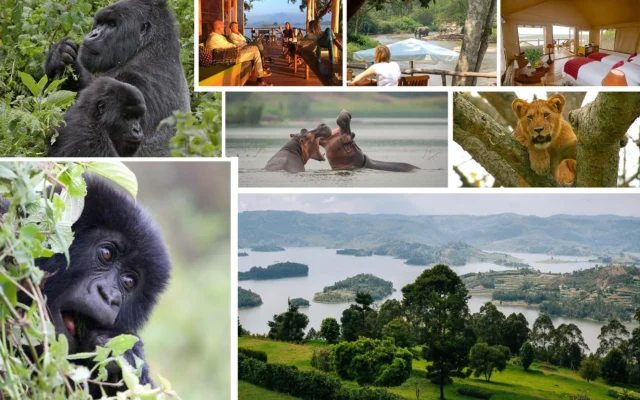
A Kigezi Highlands tour can be a scenic bridge between major safari destinations or the organizing theme for an entire southwestern itinerary. Travelers might trek gorillas in Bwindi, unwind on Lake Bunyonyi, canoe on Lake Mutanda, track golden monkeys in Mgahinga, stop at Echuya Forest, continue to Queen Elizabeth National Park, and later reach Kibale or the Fort Portal crater lakes.
This destination combines naturally with Lake Bunyonyi, Lake Mutanda, Kisoro, and Bwindi Impenetrable National Park in a well-planned Uganda safari route.
Quick Facts About Kigezi Highlands
| Feature | Details |
|---|---|
| Region | Southwestern Uganda, within the wider Kigezi sub-region |
| Districts Commonly Associated | Kabale, Kisoro, Kanungu, Rubanda, Rukiga, and Rukungiri |
| Landscape | Terraced hills, lakes, volcanic mountains, montane forest, wetlands, farms |
| Major Lakes | Lake Bunyonyi and Lake Mutanda, with other smaller highland lakes nearby |
| Major Parks | Bwindi Impenetrable National Park and Mgahinga Gorilla National Park |
| Key Experiences | Gorilla trekking, scenic drives, canoeing, birding, cultural visits, hiking |
| Best For | Southwestern safari circuits, photography, mountain scenery, primate itineraries |
| Common Extensions | Queen Elizabeth National Park, Kibale National Park, Fort Portal crater lakes |
Overview of Kigezi Highlands
The Kigezi Highlands are not a single park or viewpoint. They are a broad regional landscape in southwestern Uganda, shaped by altitude, steep terrain, cool temperatures, volcanic influence, dense farming, forests, lakes, and conservation areas. The region’s identity comes from its layers: physical beauty, local livelihoods, borderland movement, and proximity to some of Africa’s most sought-after primate experiences.
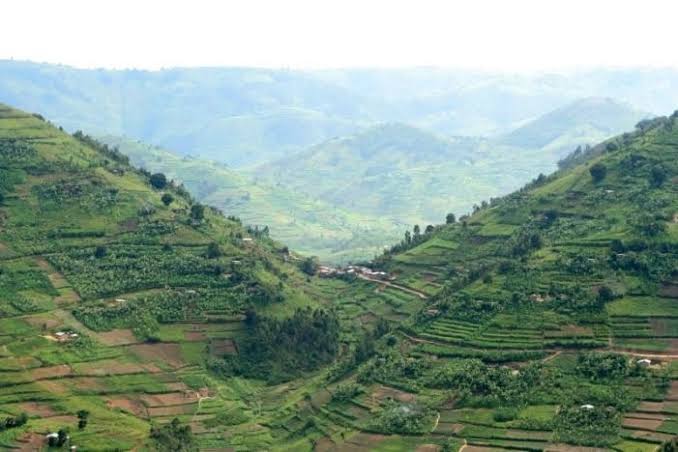
For visitors, Kigezi is often first encountered on the road. The approach to Kabale, Lake Bunyonyi, Kisoro, or Bwindi is full of terraced slopes and long views. Farms climb hillsides in careful patterns, eucalyptus and banana stands break the ridges, and villages sit where roads twist around valleys. The scenery is productive as well as beautiful; this is a lived-in landscape, not an empty wilderness.
The highlands hold two of Uganda’s strongest scenic lake destinations. Lake Bunyonyi near Kabale and Rubanda is known for island-dotted relaxation, while Lake Mutanda near Kisoro is prized for Virunga volcano views and gorilla trekking access. Between them, Echuya Forest protects montane forest and bamboo habitat along the Kabale-Kisoro corridor.
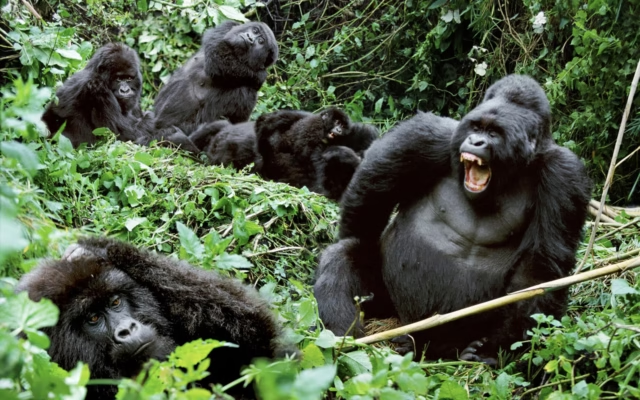
Kigezi is also central to gorilla tourism. Bwindi Impenetrable National Park and Mgahinga Gorilla National Park sit within or immediately alongside the region’s highland travel network. A safari here can therefore move naturally from rainforest trekking to lakeside rest, from volcanoes to cultural encounters, and from cool mountains to the warmer savannah of Queen Elizabeth National Park.

Why Visit Kigezi Highlands?
Uganda’s Signature Highland Scenery
Kigezi offers some of the most recognizable landscapes in Uganda: steep green hills, terraced farms, scattered lakes, misty valleys, and mountain roads that reward slow travel. The region is especially strong for travelers who value scenery as much as individual activities.
Natural Base for Gorilla Itineraries
Many gorilla safaris pass through Kigezi whether they focus on Bwindi, Mgahinga, Lake Bunyonyi, Lake Mutanda, or Kigali access. Treating the highlands as a destination improves the itinerary because travelers spend less time rushing between park gates and more time understanding the region around them.
Lake Bunyonyi and Lake Mutanda Contrast
Lake Bunyonyi and Lake Mutanda are both highland lakes, but they serve different travel moods. Bunyonyi is famous for gentle relaxation and island scenery near Kabale; Mutanda feels closer to the volcanoes and is especially useful for Kisoro, Mgahinga, and southern Bwindi routing.
Forest and Birding Value
Kigezi includes important forest habitats such as Bwindi and Echuya. Birders can build rewarding routes around Albertine Rift species, montane forest edges, wetlands, lakes, and cultivated valleys. Even non-specialists will notice the diversity created by altitude and habitat change.
Cultural and Agricultural Texture
The highlands are densely farmed and culturally rich. Guided community visits can introduce travelers to food, craft, music, farming systems, and local markets, but these experiences should be chosen responsibly so local hosts benefit and cultural heritage is treated with respect.
Things to Do in the Kigezi Highlands
Gorilla Trekking in Bwindi
Bwindi is one of the central reasons travelers come to Kigezi. Its different trekking sectors make route planning important, but the wider highland setting adds context to the forest experience. Many visitors pair Bwindi with Lake Bunyonyi or Lake Mutanda for rest before or after the trek.
Mgahinga and the Virunga Volcanoes
Mgahinga adds gorilla trekking, golden monkey tracking, volcano hiking, and a stronger sense of the Virunga borderland. It combines especially well with Kisoro, Lake Mutanda, and highland scenic drives.
Relax on Lake Bunyonyi
Lake Bunyonyi is ideal for slow travel, boat rides, canoeing, birding, honeymoon stays, family relaxation, and recovery after gorilla trekking. It is one of the easiest ways to soften a demanding safari itinerary.
Explore Lake Mutanda
Lake Mutanda adds volcano views, island-dotted water, canoe trips, and access to Kisoro-area activities. It is particularly strong for photographers and travelers seeking a less busy lake atmosphere.
Stop at Echuya Forest
Echuya Central Forest Reserve offers montane forest, bamboo, Muchuya swamp, birding, and a conservation story tied to local communities. It is a worthwhile addition on the Kabale-Kisoro route when timing allows.
Scenic Road Touring
Driving is part of the experience in Kigezi. The road between Kabale and Kisoro, the approaches to Bwindi, the Lake Bunyonyi lanes, and routes toward Queen Elizabeth all reveal different sides of the highlands.
Best Time to Visit the Kigezi Highlands
The Kigezi Highlands are accessible year-round, with June to September and December to February generally preferred for drier trekking, clearer views, easier rural roads, and more predictable outdoor activity planning. These months are popular, especially for gorilla permits, so early booking is wise.
Rainier months bring deeper greens, dramatic clouds, quieter lodges, and beautiful mist around lakes and forests. They also bring mud, slippery trails, and slower transfers. Travelers visiting during these periods should keep the schedule flexible and avoid stacking long drives with demanding treks on consecutive days.
Because Kigezi is elevated, temperatures are cooler than in Uganda’s lower savannah parks. Warm layers, waterproof gear, and sturdy footwear are useful even when the forecast looks mild.
How to Get to the Kigezi Highlands
{{SEC_GETTING_THERE}}
From Entebbe or Kampala
Most full Uganda itineraries approach Kigezi overland from Entebbe or Kampala, often with stops at Lake Mburo, Queen Elizabeth, or other western destinations. The route is long but rewarding when treated as a safari circuit rather than a single transfer.
From Kigali
Kigali can provide efficient access to parts of Kigezi, especially Kisoro, Mgahinga, Lake Mutanda, and southern Bwindi. Travelers must plan visas and border requirements carefully.
From Queen Elizabeth National Park
Queen Elizabeth links naturally with Kigezi, especially for travelers moving from savannah wildlife and boat safaris to gorilla trekking and lakeside relaxation.
From Kibale and Fort Portal
Kibale and Fort Portal can be combined with Kigezi for primate-focused safaris that include chimpanzees, gorillas, crater lakes, and highland scenery.
How to get to Kigezi Highlands — routes & drive times
Where to Stay in the Kigezi Highlands
{{SEC_ACCOMMODATION}}
Accommodation in Kigezi is spread across lakeshores, park access areas, towns, ridges, and rural communities. The strongest choices depend on the purpose of the stay. Lake Bunyonyi works beautifully for relaxation; Lake Mutanda works well for volcano views and Kisoro-area access; Bwindi lodges should match the trekking sector; Mgahinga-area properties suit golden monkey tracking and volcano hikes.
Travelers should pay close attention to road time. In highland terrain, a short map distance can take longer than expected. For gorilla trekking, the briefing point matters more than the regional label. For relaxation, views, quiet, food quality, and activity access may matter more than being near town.
The best Kigezi itineraries often combine two styles of stay: one practical base for trekking and one scenic base for rest. This gives travelers both efficiency and atmosphere.
Where to stay in Kigezi Highlands
Kigezi Highlands in a Uganda Safari
Kigezi sits at the heart of southwestern Uganda safari design. It can be the finale after Queen Elizabeth or Kibale, the opening chapter for travelers arriving from Kigali, or the scenic center of a loop from Entebbe. The region’s strength is variety within a compact area: rainforest, volcanoes, lakes, farms, towns, and cultural experiences all sit within reach.
Travelers who rush through Kigezi may still see gorillas, but they miss the setting that makes the experience feel rooted. Adding a lake night, a forest stop, or a slower road day can transform the itinerary from a checklist into a journey.
The region is also a useful bridge between ecosystems. After cool highland mornings, Queen Elizabeth’s savannah feels dramatically different. After chimpanzee trekking in Kibale, the terraced slopes of Kigezi create a new visual rhythm. This contrast is one of the reasons longer Uganda safaris feel so varied.
Nearby Destinations
Kigezi Highlands connect naturally with Lake Bunyonyi, Lake Mutanda, Kisoro, Kisoro Highlands, Bwindi Impenetrable National Park, Mgahinga Gorilla National Park, Queen Elizabeth National Park, and Kibale National Park.
Lake Bunyonyi
Lake Bunyonyi is the classic Kigezi relaxation stop, known for island scenery, canoeing, birding, and post-gorilla rest.
Lake Mutanda
Lake Mutanda adds Virunga volcano views, canoe trips, island scenery, and convenient access to Kisoro, Mgahinga, and southern Bwindi.
Kisoro
Kisoro is the practical gateway town for the far southwestern edge of Kigezi, including Mgahinga, Lake Mutanda, and southern Bwindi routes.
Bwindi Impenetrable National Park
Bwindi is the premier gorilla trekking anchor for many Kigezi Highlands safari itineraries.
Mgahinga Gorilla National Park
Mgahinga adds gorilla trekking, golden monkey tracking, volcano hikes, and Virunga scenery to the Kigezi travel circuit.
Queen Elizabeth National Park
Queen Elizabeth pairs naturally with Kigezi, shifting the safari from cool highlands to Rift Valley savannah, wildlife drives, and boat safaris.
Suggested Kigezi Highlands Itinerary Ideas
Gorillas and Lake Bunyonyi
Trek gorillas in Bwindi, then spend two nights on Lake Bunyonyi for boat rides, canoeing, relaxation, and highland views. This is one of the most accessible ways to appreciate Kigezi beyond the forest.
Kisoro, Mgahinga, and Lake Mutanda
Use Kisoro and Lake Mutanda for gorilla trekking, golden monkey tracking, canoeing, volcano views, and optional volcano hiking. This version highlights the far southwestern edge of Kigezi.
Western Uganda Grand Circuit
Combine Kigezi with Queen Elizabeth, Kibale, and Fort Portal crater lakes for a full route linking gorillas, chimpanzees, savannah wildlife, boat safaris, crater scenery, and highland culture.
Planning Tips for Kigezi Highlands Tours
Plan around confirmed gorilla permits, not broad destination names. Match accommodation to the right Bwindi sector or Mgahinga gate. Build in time for slow roads, photography stops, and post-trek recovery. Pack for cool weather and rain even during the drier seasons.
For cultural visits, choose operators and guides who work transparently with local hosts. Kigezi’s communities are not scenery; they are the people whose farms, markets, and histories shape the region travelers come to admire.
Finally, do not overfill the itinerary. Kigezi rewards space. A quiet lake afternoon, a slow road over a ridge, or a simple market walk can be as memorable as a scheduled activity.
Kigezi Highlands FAQs
- Where are the Kigezi Highlands?
The Kigezi Highlands are in southwestern Uganda and are commonly associated with Kabale, Kisoro, Kanungu, Rubanda, Rukiga, and Rukungiri districts.
- What are the Kigezi Highlands known for?
They are known for terraced hills, cool mountain scenery, Lake Bunyonyi, Lake Mutanda, Bwindi Impenetrable National Park, Mgahinga Gorilla National Park, Echuya Forest, and gorilla safari routes.
- Can I combine Kigezi Highlands with gorilla trekking?
Yes. Kigezi is one of the best regions for gorilla trekking itineraries because it connects naturally with Bwindi and Mgahinga, plus scenic lake stays before or after the trek.
- Which lake is better in Kigezi: Lake Bunyonyi or Lake Mutanda?
Lake Bunyonyi is excellent for relaxed island scenery near Kabale, while Lake Mutanda is stronger for Virunga volcano views and Kisoro-area gorilla logistics. Longer itineraries can include both.
- When is the best time to visit the Kigezi Highlands?
June to September and December to February are usually best for drier trekking and easier road conditions. Wet seasons are greener and quieter but can make trails and rural roads muddier.
- Are the Kigezi Highlands a national park?
No. Kigezi Highlands is a regional landscape, not a single national park. It includes towns, farms, lakes, forests, and protected areas such as Bwindi and Mgahinga.
- How many days do I need for the Kigezi Highlands?
Allow at least three to four days for a focused gorilla and lake itinerary, or longer if combining Bwindi, Mgahinga, Lake Bunyonyi, Lake Mutanda, Queen Elizabeth, and Kibale.