Uganda Malaria is an important health topic for travelers planning a visit to the Pearl of Africa. Uganda is located in a tropical region where malaria is present in many areas throughout the country, including cities, rural communities, and national park regions. However, with proper prevention measures, malaria risk for tourists can be significantly reduced, allowing safe and enjoyable safari experiences.
Understanding malaria risks, prevention methods, and travel health precautions is essential for anyone visiting Uganda for wildlife safaris, gorilla trekking, birdwatching, cultural tours, or business travel.
This guide provides clear and practical information on malaria in Uganda, including how it spreads, risk levels, prevention strategies, and recommended precautions for travelers.
What Is Malaria?
Malaria is a mosquito-borne infectious disease caused by parasites transmitted through the bite of infected female Anopheles mosquitoes.
It is preventable and treatable when properly managed.
Common symptoms include:
- Fever and chills.
- Headache.
- Fatigue.
- Muscle aches.
- Nausea.
Early prevention and prompt treatment are key to reducing risk.
Malaria Risk in Uganda
Uganda is considered a malaria-endemic country, meaning transmission can occur in most regions.
However, risk levels vary depending on:
- Altitude (lower areas have higher risk).
- Season (rainy seasons increase mosquito populations).
- Location (urban vs rural areas).
Safari destinations such as national parks are generally within malaria-risk zones, so precautions are strongly recommended.
High-Risk Areas for Malaria in Uganda
Malaria risk is higher in:
- Lowland savannah parks such as Queen Elizabeth National Park.
- Murchison Falls National Park.
- Kidepo Valley National Park.
- Lake Victoria basin areas.
High-altitude areas such as parts of Bwindi may have slightly lower risk but still require precautions.
How Malaria Is Prevented in Uganda
Prevention is the most effective protection against malaria for travelers.
Key methods include:
- Antimalarial medication (prescribed before travel).
- Mosquito repellents containing DEET or similar ingredients.
- Long-sleeved clothing in the evening.
- Sleeping under insecticide-treated mosquito nets.
- Avoiding outdoor exposure at dusk and dawn.
Combining these methods significantly reduces infection risk.
Recommended Malaria Prophylaxis for Travelers
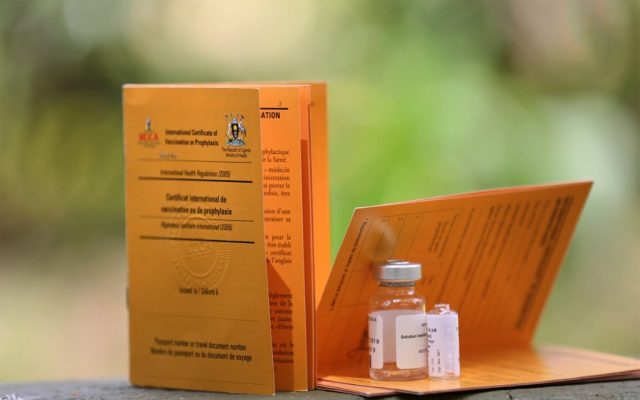
Travelers to Uganda are commonly advised to consult a healthcare provider about preventive medication.
Common antimalarial options may include:
- Atovaquone-proguanil.
- Doxycycline.
- Mefloquine.
The choice depends on individual health conditions and medical advice.
It is important to start medication before arrival and continue as directed after leaving Uganda.
Mosquito Protection in Safari Lodges
Most safari lodges and camps in Uganda take mosquito control seriously.
Common measures include:
- Insecticide-treated bed nets.
- Regular fumigation.
- Screened windows and doors.
- Mosquito coils or repellents in rooms.
Luxury and midrange lodges typically provide strong protection against mosquito exposure.
Best Practices During Safari Activities
During game drives, boat cruises, and cultural tours, travelers should:
- Wear light, long-sleeved clothing in the evening.
- Apply insect repellent regularly.
- Avoid standing near stagnant water at dusk.
- Stay in well-protected accommodations.
These simple precautions greatly reduce mosquito bites.
Malaria Risk During Gorilla Trekking
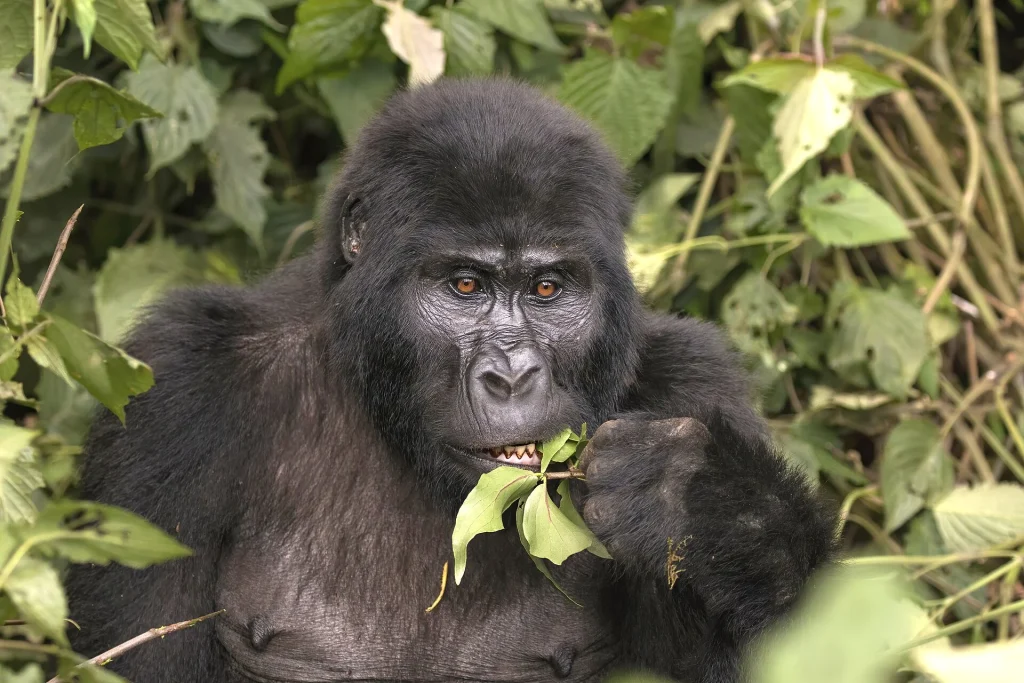
Gorilla trekking in Bwindi and Mgahinga occurs in high-altitude forest regions.
While malaria risk is generally lower than in lowland areas, precautions are still necessary.
Travelers should:
- Use insect repellent before entering the forest.
- Wear long trousers and sleeves.
- Sleep under mosquito nets at lodges.
Forest environments may still contain mosquitoes, especially in wet seasons.
Malaria and Seasonal Variation
Malaria risk in Uganda increases during rainy seasons due to higher mosquito breeding.
High-risk periods include:
- March to May (long rains).
- September to November (short rains).
Dry seasons generally have lower mosquito activity but do not eliminate risk entirely.
Symptoms Travelers Should Watch For
Travelers should seek medical attention if they experience:
- Persistent fever.
- Severe chills.
- Headaches.
- Muscle pain.
- Unusual fatigue after travel.
Early diagnosis and treatment are highly effective.
Medical Facilities in Uganda
Uganda has healthcare facilities in major towns and cities including Kampala and Entebbe.
Many safari regions have access to basic medical services, while serious cases may require evacuation to urban hospitals.
Travel insurance with medical coverage is strongly recommended.
Is It Safe to Travel to Uganda Regarding Malaria?
Yes. Uganda is safe for travel when proper malaria prevention measures are followed.
Millions of visitors travel to Uganda annually for safaris without contracting malaria.
Awareness, prevention, and responsible health practices are key to safe travel.
General Health Tips for Uganda Travelers
In addition to malaria prevention, travelers should:
- Drink safe bottled or filtered water.
- Maintain good hygiene.
- Protect against sun exposure.
- Carry basic first aid supplies.
These measures help ensure a healthy and comfortable safari experience.
Why Book Safaris in Uganda with Health-Conscious Planning?
At Adventure in the Wild Safaris, we prioritize traveler safety and comfort by ensuring all safari itineraries include guidance on malaria prevention and health precautions. We work with carefully selected lodges that maintain high hygiene and mosquito control standards.
Our team provides pre-travel advice on health preparation, packing recommendations, and seasonal considerations to ensure a safe and enjoyable safari experience across Uganda.
With proper planning, malaria should not prevent travelers from experiencing Uganda’s incredible wildlife, culture, and landscapes.
 Read
Read