Languages in Uganda reflect the country’s incredible cultural diversity and rich heritage. Often referred to as the “Pearl of Africa,” Uganda is home to more than 45 million people belonging to dozens of ethnic communities, each with its own language, traditions, and cultural identity. This linguistic diversity is one of the most fascinating aspects of traveling through Uganda, offering visitors a deeper appreciation of the country’s people and history.
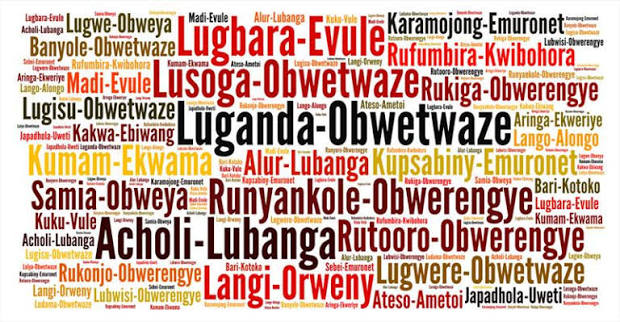
Uganda is among the most linguistically diverse countries in Africa, with more than 40 indigenous languages actively spoken across different regions. These languages belong primarily to three major language families: Bantu, Nilotic, and Central Sudanic. Alongside indigenous languages, English and Swahili serve as official languages and play important roles in government, education, tourism, and business.
Whether you are planning a Uganda safari, a business trip, cultural tour, volunteer program, or long-term stay, understanding Uganda’s language landscape can greatly enhance your travel experience and interactions with local communities.
How Many Languages Are Spoken in Uganda?
Uganda has more than 40 living indigenous languages spoken across various regions of the country.
These languages reflect:
- Diverse ethnic identities.
- Historical migrations.
- Traditional cultures.
- Regional heritage.
- Community histories.
Many Ugandans are multilingual and commonly speak two, three, or even four languages depending on their region, education, and occupation.
Official Languages of Uganda
English
English is Uganda’s primary official language and serves as the language of:
- Government administration.
- Education.
- Business.
- Media.
- Tourism.
- Legal systems.
Because Uganda was formerly a British protectorate, English became deeply integrated into national institutions.
Today, English is widely spoken throughout the country, particularly in urban areas, schools, hotels, tourism facilities, and government offices.
For international travelers, communication in English is generally easy throughout Uganda.
Swahili
Swahili became Uganda’s second official language and is increasingly promoted throughout the country.
Swahili is widely used in:
- Regional trade.
- Security services.
- Cross-border commerce.
- East African Community integration.
- Tourism sectors.
Its importance continues to grow as East African countries strengthen regional cooperation.
Major Language Families in Uganda
Uganda’s languages are grouped into three primary linguistic families.
Bantu Languages
Bantu languages dominate central, western, and southern Uganda.
Major Bantu languages include:
- Luganda.
- Runyankole.
- Rukiga.
- Runyoro.
- Rutooro.
- Lusoga.
- Lumasaba.
Bantu-speaking communities represent a large percentage of Uganda’s population.
Nilotic Languages
Nilotic languages are common in northern and northeastern Uganda.
Major Nilotic languages include:
- Acholi.
- Lango.
- Alur.
- Karimojong.
- Iteso.
- Kumam.
These languages reflect historical migrations from the Nile Valley region.
Central Sudanic Languages
Central Sudanic languages are primarily spoken in northwestern Uganda.
Examples include:
- Lugbara.
- Madi.
- Aringa.
These languages contribute significantly to Uganda’s cultural diversity.
Luganda: Uganda’s Most Widely Spoken Indigenous Language
Luganda is the most widely spoken indigenous language in Uganda and serves as a common language across much of the country.
It is primarily spoken by the Baganda people of central Uganda.
Luganda is widely understood in:
- Kampala.
- Entebbe.
- Mukono.
- Masaka.
- Mpigi.
- Central Uganda.
Many non-Baganda Ugandans also speak Luganda due to its widespread use in commerce and urban life.
Common Luganda Words for Travelers
| English | Luganda |
|---|---|
| Hello | Oli otya? |
| I am fine | Bulungi |
| Thank you | Webale |
| Welcome | Tukusanyukidde |
| Goodbye | Weeraba |
Learning a few basic greetings is often appreciated by local communities.
Languages of Western Uganda
Western Uganda contains several closely related Bantu languages.
Runyankole
Spoken primarily in Ankole sub-region.
Major areas include:
- Mbarara.
- Bushenyi.
- Ntungamo.
- Kiruhura.
Rukiga
Spoken mainly in:
- Kabale.
- Kisoro.
- Lake Bunyonyi region.
Many travelers encounter Rukiga while visiting gorilla trekking destinations.
Runyoro
Commonly spoken in:
- Hoima.
- Masindi.
- Kibaale.
Rutooro
Predominantly spoken in:
- Fort Portal.
- Kabarole.
- Kyenjojo.
Languages of Eastern Uganda
Lusoga
Lusoga is spoken by the Basoga people in eastern Uganda.
Key areas include:
- Jinja.
- Iganga.
- Kamuli.
- Mayuge.
Lumasaba
Lumasaba is spoken around the slopes of Mount Elgon.
Communities include:
- Bagisu.
- Bamasaba.
Ateso
Ateso is one of Uganda’s major Nilotic languages and is spoken throughout the Teso region.
Languages of Northern Uganda
Acholi
Acholi is one of Uganda’s most widely spoken Nilotic languages.
Commonly spoken in:
- Gulu.
- Kitgum.
- Pader.
- Lamwo.
Lango
Lango is spoken throughout the Lango sub-region.
Major areas include:
- Lira.
- Dokolo.
- Apac.
- Oyam.
Alur
Alur is spoken in northwestern Uganda near Lake Albert.
Languages of Northeastern Uganda
Karimojong
The Karimojong language is spoken throughout the Karamoja region.
Areas include:
- Moroto.
- Kotido.
- Nakapiripirit.
- Kaabong.
Visitors participating in Karamoja cultural tours often encounter this language.
Languages of Northwestern Uganda
Lugbara
Lugbara is among the most widely spoken Central Sudanic languages.
It is commonly spoken in:
- Arua.
- Maracha.
- Terego.
Madi
Madi is spoken near the South Sudan border in northwestern Uganda.
Language and Tourism in Uganda
Tourism professionals throughout Uganda generally speak English.
This includes:
- Safari guides.
- Hotel staff.
- Tour operators.
- Park rangers.
- Drivers.
Visitors rarely encounter language barriers during organized safaris.
Do You Need to Learn a Ugandan Language?
No. English is sufficient for most visitors.
However, learning a few local greetings can:
- Create positive interactions.
- Show cultural respect.
- Enhance community visits.
- Improve cultural experiences.
Local people often appreciate efforts to speak their language.
Multilingualism in Uganda
Uganda is one of Africa’s most multilingual societies.
Many Ugandans commonly speak:
- Their mother tongue.
- Luganda.
- English.
- Swahili.
This multilingual ability facilitates communication across diverse communities.
Language and Cultural Identity
Languages play an important role in preserving:
- Cultural traditions.
- Historical knowledge.
- Community identity.
- Oral literature.
- Traditional values.
Many cultural tourism experiences focus on language as a gateway to understanding local heritage.
Interesting Facts About Languages in Uganda
- Uganda has more than 40 indigenous languages.
- English is the primary official language.
- Swahili is the second official language.
- Luganda is the most widely spoken indigenous language.
- Most Ugandans are multilingual.
- Language diversity reflects the country’s ethnic diversity.
Frequently Asked Questions About Languages in Uganda
What language is most spoken in Uganda?
Luganda is the most widely spoken indigenous language, while English is the official language most commonly used in education, government, and tourism.
Can tourists communicate easily in Uganda?
Yes. English is widely spoken throughout the tourism industry and urban areas.
How many languages are spoken in Uganda?
More than 40 indigenous languages are actively spoken across the country.
Is Swahili spoken in Uganda?
Yes. Swahili is one of Uganda’s official languages and is becoming increasingly common.
Do safari guides speak English?
Yes. Professional safari guides throughout Uganda are fluent in English, and many also speak additional international languages.
Conclusion
Languages in Uganda showcase the remarkable cultural diversity that makes the country one of Africa’s most fascinating destinations. From Luganda in central Uganda to Runyankole in the west, Acholi in the north, Ateso in the east, Karimojong in the northeast, and Lugbara in the northwest, each language reflects a unique cultural identity and historical heritage.
For travelers, Uganda’s widespread use of English ensures easy communication, while the opportunity to encounter multiple local languages enriches cultural experiences and provides deeper insights into the people and traditions that define the Pearl of Africa.

 Read
Read