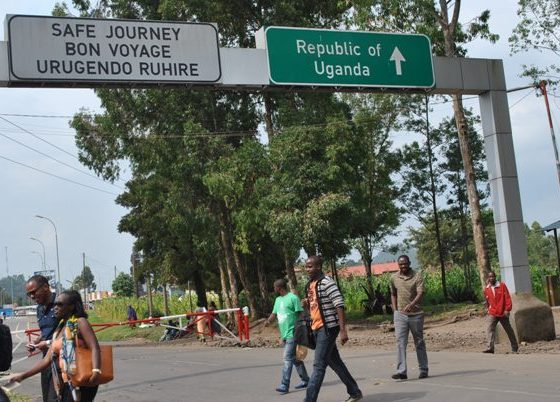
Introduction: Uganda Border Crossings
Uganda Border Crossings are important entry and exit points for travelers visiting Uganda for birding safaris, wildlife tours, and multi-country East African adventures. Uganda shares borders with Kenya, Tanzania, Rwanda, South Sudan, and the Democratic Republic of Congo, making it a key gateway for regional safari circuits.
Understanding Uganda’s border crossings helps travelers plan efficient itineraries, especially those combining Uganda with neighboring countries such as Rwanda for gorilla trekking or Kenya for classic savannah safaris.
This detailed guide explains all major Uganda border crossings, requirements, travel procedures, and tips for smooth entry and exit during your safari journey.
Major Uganda Border Crossings
1. Uganda – Kenya Border Crossings
Uganda and Kenya share one of the busiest East African borders, commonly used for safari circuits.
- Busia Border Post – Main commercial crossing
- Malaba Border Post – Major transport and cargo route
These crossings are commonly used for travel between Kampala and Nairobi or for combined Kenya–Uganda safaris.
2. Uganda – Rwanda Border Crossings
This route is popular for gorilla trekking circuits connecting Volcanoes National Park and Bwindi Impenetrable National Park.
- Katuna (Gatuna) Border Post – Main crossing point
- Chanika Border Post – Smaller alternative crossing
Travel time between Kigali and southwestern Uganda is relatively short, making this route ideal for combined itineraries.
3. Uganda – Tanzania Border Crossing
Used mainly for travelers connecting to northern Tanzania safari circuits.
- Mutukula Border Post – Main crossing point
This route connects Lake Victoria regions between Uganda and Tanzania.
4. Uganda – South Sudan Border Crossings
Important for regional travel and trade routes.
- Nimule Border Post – Main official crossing
Used less frequently for tourism but important for regional connectivity.
5. Uganda – Democratic Republic of Congo (DRC) Borders
These crossings provide access to Virunga region and western Uganda circuits.
- Bunagana Border Post – Near Bwindi Impenetrable National Park
- Kasindi Border Post – Near Queen Elizabeth National Park
These are key for adventurous cross-border safari extensions.
Entry Requirements at Uganda Borders
- Valid passport (minimum 6 months validity)
- Uganda visa or East Africa Tourist Visa
- Yellow fever vaccination certificate
- Immigration entry stamp upon arrival
East Africa Tourist Visa Option
The East Africa Tourist Visa allows entry into Uganda, Kenya, and Rwanda under one visa.
Benefits include:
- Single visa for multiple countries
- Cost-effective for regional safaris
- Valid for 90 days
Border Crossing Procedures
Typical steps include:
- Arrival at border checkpoint
- Immigration document verification
- Visa confirmation or issuance
- Health and vaccination checks (if required)
- Entry stamp into Uganda
Best Border Crossings for Tourists
Top Recommended:
- Katuna Border (Rwanda–Uganda)
- Busia Border (Kenya–Uganda)
These are the most efficient and tourist-friendly crossings with better infrastructure.
Border Crossings for Safari Itineraries
Common safari combinations include:
- Kenya → Uganda (Masai Mara to Bwindi)
- Rwanda → Uganda (Volcanoes to Bwindi gorilla trekking)
- Uganda → Tanzania (Lake Victoria circuits)
Travel Tips for Uganda Border Crossings
- Carry printed visa approval or e-visa copy
- Keep passport valid for at least 6 months
- Have small cash for minor border fees if required
- Travel during daytime for smoother processing
- Use official border posts only
Safety and Security at Borders
- Border posts are generally safe and regulated
- Use licensed tour operators for transfers
- Avoid unofficial crossing points
- Follow immigration officer instructions
Common Challenges at Borders
- Occasional delays during peak travel seasons
- Document verification time variations
- Vehicle inspections for cross-border travel
Proper planning helps minimize delays.
Conclusion: Uganda as a Regional Safari Gateway
Uganda Border Crossings play a vital role in East African travel and safari planning. With multiple entry points connecting Kenya, Rwanda, Tanzania, South Sudan, and DRC, Uganda serves as a central hub for regional exploration.
Whether entering for birding safaris, gorilla trekking, or wildlife adventures, understanding border procedures ensures smooth travel and uninterrupted safari experiences across East Africa.
East Africa Tourist Visa Strategy
The East Africa Tourist Visa (Kenya, Rwanda, Uganda) suits multi-country loops—gorillas in Uganda, safari extension in Kenya, or Kigali entry to southern Bwindi. Apply through the first country you enter; carry printed approval and passport photos. Single-country eVisas remain simpler for Uganda-only trips—compare visa requirements and eVisa steps before choosing.
Major Land Border Posts
Busia and Malaba link Kenya’s western corridor to eastern Uganda—common for overland Nairobi–Jinja–Kampala routes. Gatuna/Katuna and Cyanika connect Rwanda to southwestern Uganda for Kigali–Bwindi gorilla circuits. Mpondwe and Bunagana (when open) serve DRC crossings used mainly by regional trade, not typical tourists. Border hours vary; arrive before late afternoon and carry USD cash for visa fees where cards fail.
Documents, Health, and Vehicle Rules
Yellow fever certificates are checked at many crossings—see yellow fever requirements. Self-drivers need COMESA yellow card insurance, vehicle logbook copies, and sometimes temporary import permits. Tour operators handle carnets for clients; independent renters should confirm with the hire company. Detailed Rwanda routing sits in Uganda Rwanda border crossing.
Keep passport, visa printout, and yellow fever booklet in hand luggage for quick desk checks. Tour drivers familiar with Malaba and Gatuna queues often choose weekday mornings over Sunday trader peaks.
 Read
Read