

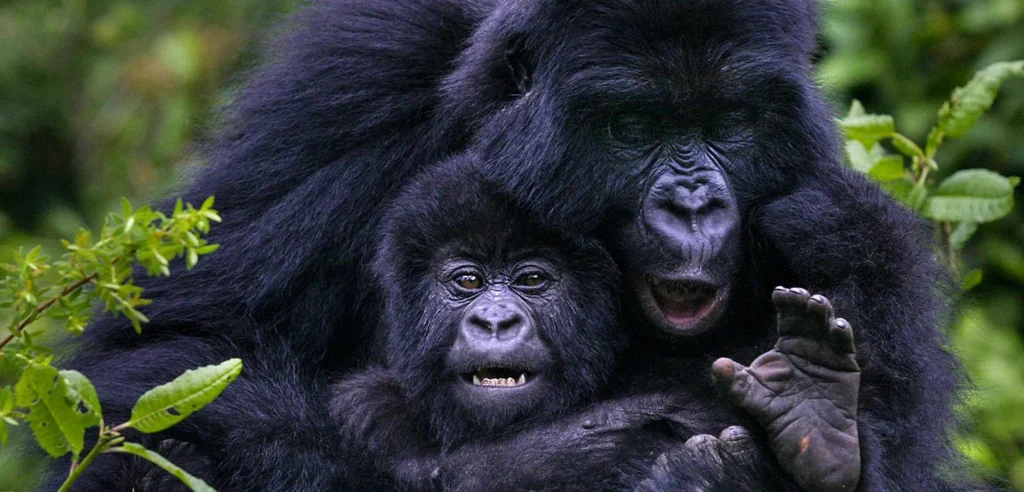
Gorilla trekking is one of the most extraordinary wildlife experiences on Earth and the primary reason many travelers visit Uganda. Standing just a few meters away from a family of endangered mountain gorillas in their natural habitat is an unforgettable encounter that combines adventure, conservation, wildlife, photography, and cultural discovery into a single life-changing experience.
Uganda is widely regarded as one of the best destinations in the world for gorilla trekking, hosting nearly half of the global population of mountain gorillas. The country offers visitors the opportunity to track habituated gorilla families in ancient rainforests while contributing directly to conservation efforts that have helped protect these magnificent primates from extinction.
Every year, thousands of travelers from around the world journey to Uganda to experience mountain gorilla trekking in Bwindi Impenetrable National Park and Mgahinga Gorilla National Park. Unlike a zoo visit or wildlife drive, gorilla trekking requires visitors to hike through dense forests under the guidance of experienced rangers until they locate a habituated gorilla family. Once found, visitors spend one magical hour observing the gorillas as they feed, play, rest, groom, and interact with one another.
For many travelers, gorilla trekking becomes the highlight of their entire African safari.
What is Gorilla Trekking?
Gorilla trekking is a guided wildlife activity that involves hiking through mountain forests in search of habituated mountain gorilla families. The activity is carefully managed by wildlife authorities to protect the gorillas while providing visitors with a safe and educational experience.
After locating the gorillas, visitors are allowed to spend a maximum of one hour observing them. During this time, travelers witness natural behaviors including feeding, social interactions, nest building, infant play, and movement through the forest.
The experience is conducted under strict conservation regulations designed to minimize disturbance to the gorillas and their habitat.
Why Gorilla Trekking is One of the World’s Greatest Wildlife Experiences
Few wildlife encounters compare to spending time with mountain gorillas in their natural environment. These gentle giants share approximately 98% of their DNA with humans, creating a powerful emotional connection during encounters.
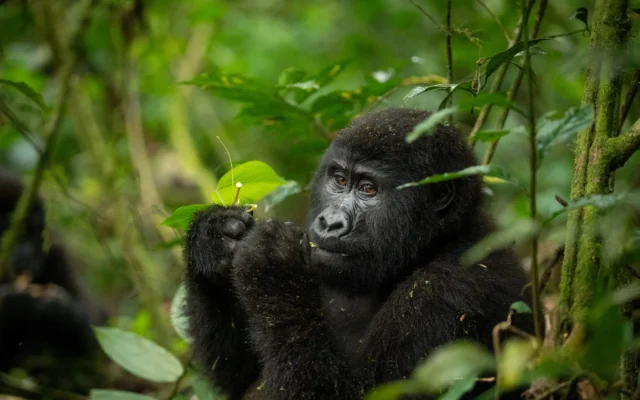
Visitors often describe their first gorilla sighting as a deeply moving experience. Watching a massive silverback calmly observe his family, seeing playful young gorillas tumble through the vegetation, or making brief eye contact with a curious juvenile creates memories that last a lifetime.
Unlike many safari experiences where animals may be viewed from a distance, gorilla trekking often brings visitors surprisingly close to the gorillas while maintaining safe viewing distances.
Where Can You Go Gorilla Trekking in Uganda?
Uganda offers two locations for mountain gorilla trekking.
Bwindi Impenetrable National Park
Bwindi Impenetrable National Park is Uganda’s premier gorilla trekking destination and home to nearly half of the world’s remaining mountain gorillas.
Located in southwestern Uganda, Bwindi is a UNESCO World Heritage Site renowned for its exceptional biodiversity and ancient rainforest ecosystem.
The park contains over 20 habituated gorilla families available for tourism and research.
Bwindi Gorilla Trekking Sectors
Buhoma Sector
Buhoma is the original gorilla trekking sector and remains one of the most popular areas in Bwindi. It offers excellent accommodation options and relatively easy access from Queen Elizabeth National Park.
Ruhija Sector
Located in eastern Bwindi, Ruhija offers spectacular scenery and excellent birdwatching opportunities.
Rushaga Sector
Rushaga contains the largest number of habituated gorilla families and is also the location where gorilla habituation experiences are conducted.
Nkuringo Sector
Known for its dramatic mountain scenery and challenging treks, Nkuringo offers some of the most rewarding gorilla trekking experiences in Uganda.
Mgahinga Gorilla National Park
Mgahinga Gorilla National Park forms part of the larger Virunga Conservation Area and protects Uganda’s section of the Virunga Volcanoes.
Although smaller than Bwindi, Mgahinga offers:
- Gorilla trekking.
- Golden monkey tracking.
- Volcano climbing.
- Birdwatching.
- Batwa cultural experiences.
The park’s volcanic landscapes create some of the most spectacular scenery found anywhere in East Africa.
Mountain Gorillas: Understanding the Species
Mountain gorillas are a subspecies of the eastern gorilla and are found only in the mountains of Uganda, Rwanda, and the Democratic Republic of Congo.
Characteristics include:
- Large muscular bodies.
- Thick fur adapted to cold mountain environments.
- Complex social structures.
- High intelligence.
- Strong family bonds.
A typical gorilla family consists of:
- One dominant silverback.
- Adult females.
- Juveniles.
- Infants.
- Subadult males.
The silverback leads and protects the family while making decisions regarding movement and feeding.
How Gorilla Trekking Works
Morning Briefing
Treks begin early in the morning with a briefing conducted by Uganda Wildlife Authority rangers. Visitors receive information about gorilla behavior, trekking rules, safety procedures, and conservation efforts.
Group Allocation
Participants are assigned to specific gorilla families based on factors such as fitness levels, age, and personal preferences.
The Trek
Rangers and trackers lead groups into the forest in search of the assigned gorilla family.
Trek durations vary significantly depending on gorilla movements.
Treks may last:
- 1–2 hours.
- 3–4 hours.
- 5–6 hours.
- Occasionally longer.
The Gorilla Encounter
Once the gorillas are located, visitors spend one hour observing them in their natural environment.
This hour often becomes the most memorable part of an entire African safari.
Gorilla Trekking Permits
Every visitor requires a valid gorilla trekking permit issued by the Uganda Wildlife Authority.
Current permit prices are:
- US$800 – Foreign Non-Residents.
- US$700 – Foreign Residents.
- UGX 300,000 – East African Citizens.
Permit fees contribute directly to conservation, community development, and park management.
Gorilla Habituation Experience
Uganda also offers a unique gorilla habituation experience available only in Rushaga Sector.
This experience allows visitors to spend up to four hours with a semi-habituated gorilla family while accompanying researchers and trackers.
The gorilla habituation permit costs:
- US$1,500 per person.
For photographers and wildlife enthusiasts, this provides a more immersive experience than standard trekking.
Best Time for Gorilla Trekking
Gorilla trekking is available throughout the year.
Dry Seasons
- June to August.
- December to February.
These periods generally provide:
- Drier trails.
- Easier hiking conditions.
- Excellent photography opportunities.
Rainy Seasons
- March to May.
- September to November.
Advantages include:
- Fewer tourists.
- Better permit availability.
- Lush scenery.
- Outstanding birdwatching.
What to Pack for Gorilla Trekking
Recommended equipment includes:
- Waterproof hiking boots.
- Long trousers.
- Long-sleeved shirts.
- Rain jacket.
- Garden gloves.
- Insect repellent.
- Reusable water bottle.
- Daypack.
- Camera.
- Waterproof protection.
Physical Fitness and Trekking Difficulty
Gorilla trekking requires moderate physical fitness. Terrain may include steep slopes, muddy trails, dense vegetation, and uneven ground.
Visitors do not need to be athletes, but reasonable fitness improves enjoyment and comfort.
Porters are available and highly recommended.
Wildlife You May See During Gorilla Trekking
Beyond gorillas, visitors may encounter:
- Black-and-white colobus monkeys.
- Blue monkeys.
- L’Hoest’s monkeys.
- Forest elephants.
- Duikers.
- Numerous bird species.
- Butterflies.
Birdwatching Opportunities
Bwindi is one of Africa’s premier birding destinations and supports over 350 bird species.
Highlights include:
- African Green Broadbill.
- Rwenzori Turaco.
- Shelley’s Crimsonwing.
- Handsome Francolin.
- Numerous Albertine Rift endemics.
Combining Gorilla Trekking with Other Safaris
Many visitors combine gorilla trekking with:
- Chimpanzee tracking in Kibale Forest.
- Wildlife safaris in Queen Elizabeth National Park.
- Lake Mburo National Park.
- Murchison Falls National Park.
- Lake Bunyonyi relaxation.
- Cultural experiences.
Frequently Asked Questions About Gorilla Trekking
How much does gorilla trekking cost?
Uganda gorilla permits currently cost US$800 per person for foreign non-residents.
How close can you get to gorillas?
Visitors should maintain a minimum distance of 7 meters, although gorillas occasionally move closer on their own.
Is gorilla trekking safe?
Yes. Gorilla trekking is conducted by trained rangers following strict safety protocols.
What is the minimum age?
The minimum age for gorilla trekking in Uganda is 15 years.
Why Choose Uganda for Gorilla Trekking?
- Largest mountain gorilla population.
- More habituated gorilla families.
- Competitive permit prices.
- Diverse safari combinations.
- Excellent conservation success.
- Outstanding biodiversity.
Conclusion
Gorilla trekking is one of the most remarkable wildlife experiences available anywhere in the world. Whether you choose Bwindi Impenetrable National Park or Mgahinga Gorilla National Park, the opportunity to spend time with endangered mountain gorillas in their natural habitat creates memories that last a lifetime.
Combining adventure, conservation, wildlife, photography, and cultural discovery, gorilla trekking represents the ultimate Uganda safari experience and remains one of Africa’s most sought-after travel adventures.
 Read
Read