
Waterbuck FAQs and Answers — quick answers on biology, Defassa identification, parks, predators, diet, and safari planning. Explore where to see waterbuck, behaviour, best time to visit, and safari experiences — or request a quote for a tailored savannah itinerary.
- What is a waterbuck?
The waterbuck (Kobus ellipsiprymnus) is a large, shaggy-coated antelope closely tied to rivers, lakes, and wetlands in sub-Saharan Africa. In Uganda, the Defassa waterbuck subspecies is common in Murchison Falls, Queen Elizabeth, and Lake Mburo national parks.
- What is the scientific name of the waterbuck?
Kobus ellipsiprymnus. Uganda hosts the Defassa subspecies, Kobus ellipsiprymnus defassa, west of the Great Rift Valley — identified by a solid white rump patch rather than the white tail ring of the common waterbuck east of the Rift.
- Where is the best place to see waterbuck in Uganda?
The Kazinga Channel in Queen Elizabeth National Park is among the finest waterbuck viewing in East Africa — especially on morning boat safaris. Murchison Falls Nile cruises and Lake Mburo lakeshore drives are also excellent. Compare parks on our where to see waterbuck page.
- How do you identify a Defassa waterbuck?
Look for a large grey-brown shaggy antelope with a solid white patch on the rump, white facial markings, and long ridged horns on males. Defassa waterbuck lack the complete white ring around the tail that common waterbuck show east of the Rift Valley.
- How big is a waterbuck?
Males stand roughly 120–136 cm at the shoulder and weigh 200–260 kg or more. Females are smaller, around 100–120 cm tall and 160–215 kg. Waterbuck are among the largest antelopes on a Uganda savannah safari.
- What do waterbuck eat?
Waterbuck are predominantly grazers — grasses make up roughly 70–95% of the diet, supplemented by reeds, rushes, and browse in dry months. They favour coarse moist grasses along shorelines. More detail on our waterbuck diet page.
- Why are they called waterbuck?
Waterbuck are highly water-dependent — they rarely range more than one to two kilometres from permanent water and drink daily in hot weather. They also flee into rivers and lakes when threatened by predators, reinforcing their wetland identity.
- Are waterbuck endangered?
The waterbuck species is Least Concern globally. The Defassa subspecies in Uganda is Near Threatened with a decreasing trend in parts of Africa — though populations inside Uganda's national parks remain healthy. See our conservation guide.
- What predators hunt waterbuck?
Lions are the main predator of adults in Murchison and Queen Elizabeth. Leopard and spotted hyena take calves and weaker animals. Waterbuck defend themselves with size, horns, and escape into water.
- When is the best time to see waterbuck?
Waterbuck can be seen year-round. Dry seasons (June–September and December–February) concentrate animals along shorelines. Dawn game drives and morning boat cruises offer the best activity. See best time to see waterbuck.
- Can you see waterbuck on a boat safari?
Yes — boat safaris are among the best ways to see waterbuck. Kazinga Channel and Victoria Nile cruises pass grazing herds at bank level. Animals often tolerate boats at respectful distance because water is their refuge habitat.
- How do waterbuck differ from Uganda kob?
Waterbuck are larger, shaggier, and tied to river and lake margins. Uganda kob are smaller, redder plains antelopes famous for lek breeding on open grasslands. Both occur in Queen Elizabeth but occupy different habitat zones.
- Do waterbuck live in herds?
Females and young form loose groups of roughly five to ten animals, though individuals are often alone or in pairs. Young males join bachelor herds; mature males defend shoreline territories. See behaviour.
- Do waterbuck really repel crocodiles?
Safari folklore claims waterbuck scent glands repel crocodiles — a story popular with guides but not scientifically proven. The oily secretion is real and musky, but crocodiles do inhabit the same waterways. Waterbuck still enter water to escape lions and hyena.
- What habitat do waterbuck prefer?
Riverine grassland, floodplain edges, lakeshores, and wetland margins within easy reach of permanent water. Full ecology on our habitat guide.
- How long is waterbuck pregnancy?
Gestation lasts roughly eight to nine months (about 280 days), producing a single calf hidden in riverside vegetation for the first vulnerable weeks.
- Which Uganda safaris include waterbuck viewing?
Any savannah itinerary visiting Murchison Falls, Queen Elizabeth, or Lake Mburo includes waterbuck — especially on boat cruises. Browse waterbuck safaris and Uganda safari packages.
- Can I combine gorilla trekking with waterbuck safaris?
Yes — classic Uganda circuits pair Bwindi gorilla trekking with Queen Elizabeth channel days where waterbuck are abundant on boat safaris. Most 7–10 day western Uganda routes include both ecosystems.
- Are waterbuck good for photography?
Excellent — especially from boats at eye level on the Kazinga Channel and Victoria Nile. The white rump patch, shaggy coat, and long horns photograph well in dawn and late-afternoon light.
- How can tourists help waterbuck conservation?
Book through licensed operators, pay official park and boat fees, follow track and shoreline rules, and include savannah parks in your itinerary — diversifying tourism revenue that funds rangers protecting wetland corridors waterbuck depend on.
Safari packages to see Waterbuck
Bookable itineraries below include parks and activities where you are most likely to encounter Waterbuck in the wild.
 Best
Seller
Best
Seller
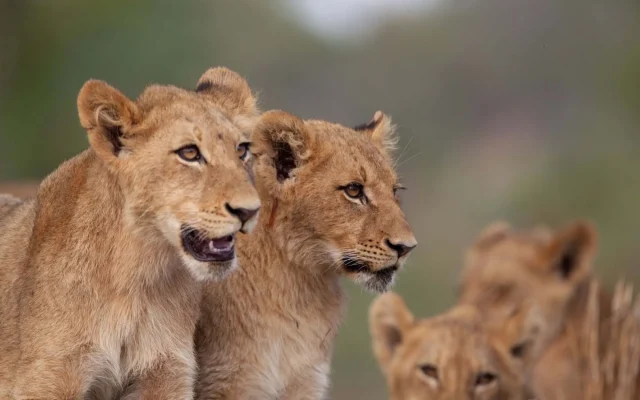
7 Day Uganda Wildlife & Gorilla
You visit
Murchison Falls, Kibale Forest, Queen Elizabeth NP, Bwindi Forest, Entebbe
Seven days with gorillas: the wildlife tour above plus Bwindi trekking on Day 6 — the single most booked private itinerary for Uganda Safari Tours guests who want chimps, savannah and gorillas in one…
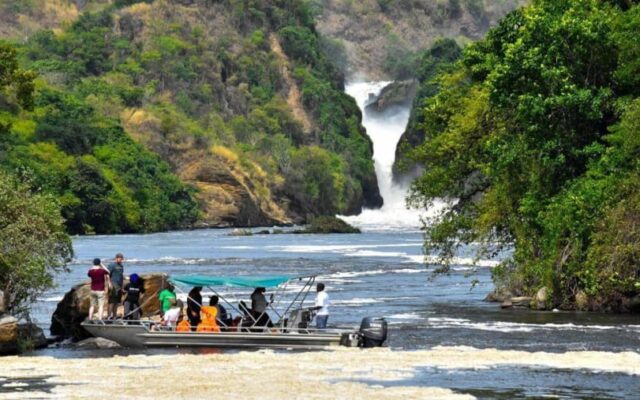
3 Day Murchison Falls Safari
You visit
Murchison Falls, Entebbe
Our classic 3-day Murchison Falls safari follows the park’s most proven circuit: dramatic falls, savannah game drives north of the Nile, and the famous boat trip where the river narrows below the casc…
 Best
Seller
Best
Seller
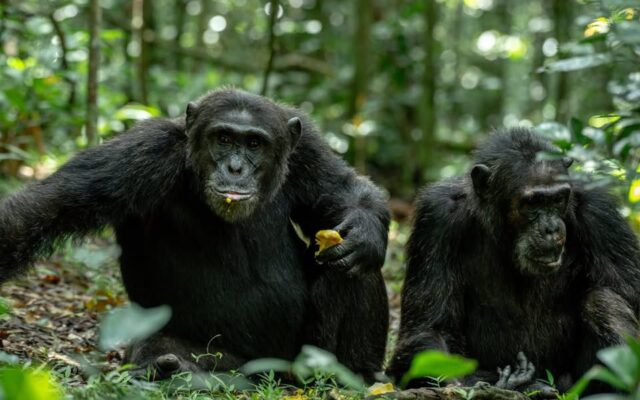
6 Days Uganda Gorillas, Chimpanzees & Wildlife Safari
You visit
Kibale Forest, Queen Elizabeth NP, Bwindi Forest, Entebbe
Primates plus plains in six days: Kibale chimps, Queen Elizabeth savannah, Bwindi gorillas and a Lake Mburo finale for zebra — the full Uganda highlight reel without rushing Kidepo or Murchison.
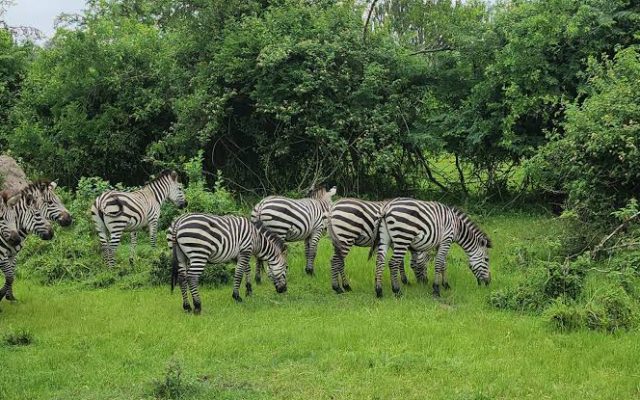
1 Day Lake Mburo Safari
You visit
Uganda Equator, Kayabwe, Lake Mburo, Kampala or Entebbe
This compact 1-day Lake Mburo safari is the closest national-park wildlife experience to Kampala and Entebbe. Lake Mburo is Uganda’s smallest savannah park but one of the most rewarding for a short tr…