Best time to see waterbuck — expert Uganda safari guide from local planners who know permits, parks, and realistic routing.
Waterbuck can be seen year-round in Uganda's savannah parks, but season, time of day, and safari activity type all shape the quality of encounters. Dry months concentrate animals along shrinking shorelines; dawn and dusk align with grazing peaks; boat cruises deliver different angles than vehicle drives. Use this guide with where to see waterbuck and safari experiences to time your visit across Murchison Falls, Queen Elizabeth, and Lake Mburo.
Year-Round Viewing
Unlike some migratory or highly seasonal species, waterbuck are resident along Uganda's major water systems. You can expect sightings on any month that includes Kazinga Channel, Victoria Nile, or Lake Mburo boat and drive components. Equatorial rainfall patterns moderate extremes — but dry and wet seasons still change grass quality, bank density, and photography conditions.
Dry Season — Generally Best for Visibility
Uganda's main dry seasons run roughly June to September and December to February. During these windows, upland grasses cure and waterbuck contract toward permanent rivers and lakes — increasing encounter rates on standard routes.
Dry Season Advantages
- Higher shoreline density near remaining water
- Shorter grass on some banks improves visibility
- Roads and boat access generally easier
- Predator activity on river margins often intensifies
- Clearer skies for landscape photography on Nile and channel cruises
Dry Season Considerations
Heat builds by midday; animals rest in shade. Schedule dawn game drives and morning boat launches for active behaviour. Peak-season lodge availability tightens — book Kazinga and Nile cruises early.
Wet Season — Lush Scenery and Fewer Crowds
Rainy periods — broadly March to May and October to November — green the savannah and may disperse grazing slightly onto floodplains. Waterbuck remain near core water systems but can spread along expanded wetland edges.
Wet Season Advantages
- Lush backgrounds and dramatic skies for photography
- Fewer vehicles on some tracks and boats
- Calving peaks possible when grass quality peaks
- Birdlife prolific on channel and Nile cruises
Wet Season Considerations
Some roads become challenging after heavy rain; occasional boat schedule adjustments occur. Pack rain gear for open vehicles and boat decks. Afternoon showers may shift drives earlier.
Time of Day
Dawn (6:00–9:00)
The single best window for riverside game drives. Waterbuck graze actively; territorial bulls patrol banks; lions and hyena may still be hunting in cool air. Soft golden light favours rump-patch photography on Kazinga Channel approaches.
Midday (11:00–15:00)
Animals rest in shade; behaviour slows. Boat cruises still produce sightings — resting herds on banks are common — but dynamic action is lower. Use midday boats when heat limits driving comfort, not when seeking peak behaviour.
Late Afternoon (16:00–18:30)
Second feeding peak; excellent light for photography. Pair afternoon drives with morning boats on two-night park stays for full coverage.
Boat vs Drive Timing
Morning boat launches on Kazinga Channel and Victoria Nile overlap with grazing and cool temperatures — ideal for close bank sightings. Afternoon boats suit hippo and bird focus but still deliver waterbuck at rest or feeding. Dawn drives on Buligi, Mweya, and Lake Mburo lakeshore tracks complement any boat schedule.
Park-by-Park Notes
Queen Elizabeth
Channel cruises operate year-round; book morning slots in dry season. Mweya peninsula dawn drives add vehicle perspective after boat days. Ishasha sector combines waterbuck on river lines with southern lion viewing.
Murchison Falls
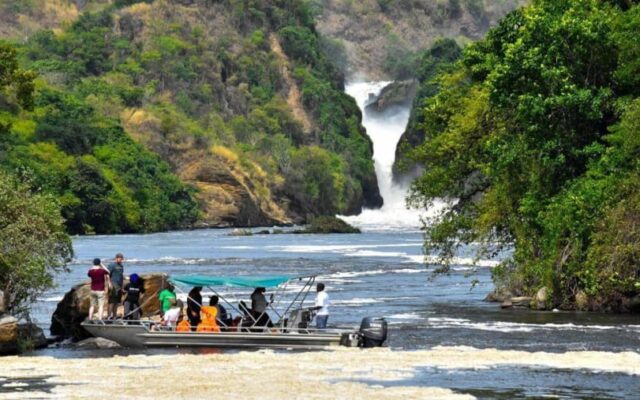
Nile delta cruises peak in dry months when wildlife concentrates. Combine with north-bank dawn loops from Paraa lodges. April–May rains may affect road sections — check conditions with your operator.
Lake Mburo
Compact park allows half-day dawn–dusk coverage even on one-night stays. Dry season improves track access; wet season greens lakeshore meadows dramatically. Walking safaris (where offered) best in dry months with firmer ground.
Photography Calendar
- June–August: Classic dry-season clarity; peak tourism — book early
- December–February: Second dry window; strong light and calving possible
- March–May: Emerald landscapes; dramatic storms; lower crowds
- October–November: Transitional rains; variable skies; good value season
Combining With Other Wildlife Seasons
Waterbuck timing aligns with general Uganda savannah best practice — dry months for lions on plains, year-round hippos on boats, gorilla trekking possible in all seasons with appropriate rain gear. Build itineraries that stack primate and savannah peaks without over-optimising a single species.
Planning Checklist
- Prioritise dawn riverside drives on each park night
- Book morning Kazinga or Nile boats in June–September and December–February
- Allow two nights per major park for weather flexibility
- Pack layers — dawn boats and drives are cool; midday sun is intense
Explore routes on waterbuck safaris and browse Uganda safari packages for timed itineraries.
Quick Timing Summary
- Best seasons: June–September; December–February
- Best hours: Dawn and late afternoon
- Best activity: Morning boat + dawn drive
- Year-round: Yes — resident along major waters