Topi habitat is the sunlit East African savannah that defines Uganda's most cinematic game-drive parks. Understanding where topi live — and why they favour particular grasslands and mound-studded plains — explains their abundance in Ishasha, their sentinel behaviour, and their role as lion prey on open terrain. Explore related guides on topi facts, behaviour, and best places to see topi in Uganda.
Open Savannah Specialists
Topi are not forest antelopes. They favour open grassland, lightly wooded savannah, and acacia–grass mosaics where visibility is high and medium-height grasses provide nutrition without sacrificing too much predator sightline. This habitat preference makes them highly visible on standard game-drive circuits — and highly dependent on the vigilance behaviours, including termite-mound sentinels, that compensate for limited cover.
Across East Africa, topi distribution tracks the savannah belt where rainfall, fire, and herbivory maintain grasslands rather than closed woodland. Uganda's Ishasha and Murchison sectors sit squarely in this ecological zone.
Termite Mounds as Habitat Features
Termite mounds are not optional scenery in topi country — they are structural habitat elements. In Ishasha and Murchison, centuries of termite activity have raised thousands of earthen platforms across otherwise flat grasslands. Topi climb these mounds to scan for predators, converting a feature of soil ecology into a surveillance network.
For safari planners, mound-dotted plains mean predictable photography opportunities: guides often know which mounds topi favour at dawn, when sentinel rotation peaks and light is softest.
Water Dependence
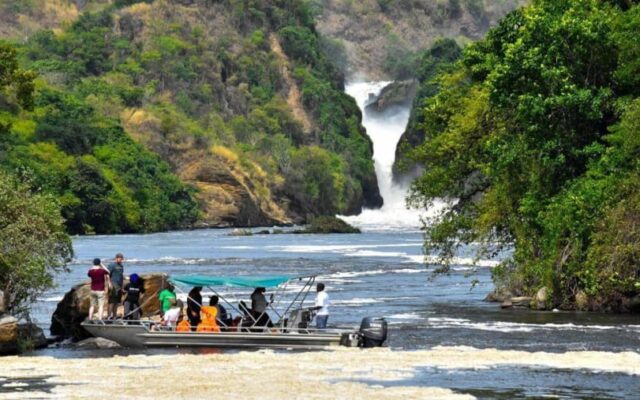
Like most savannah alcelaphines, topi need reliable access to water even though they are not wetland specialists in the way waterbuck are. They typically remain within a day's walk of rivers, lakes, or permanent springs. In Murchison Falls, Nile-front grasslands concentrate herds during dry months; in Queen Elizabeth, Ishasha's drainage systems and lake margins shape seasonal movement between grazing blocks.
Dry-season concentrations near remaining water can produce spectacular game-drive viewing — but also intensify predator activity as lions patrol predictable corridors.
Grass Height Preferences
Topi are selective grazers favouring medium-height, green grass — often slightly taller than the short shoots preferred by Uganda kob. This subtle difference allows topi and kob to coexist on the same plains with limited direct competition. Topi may follow kob onto freshly cropped short grass or exploit regrowth after fire and rain in slightly taller stands at plain margins.
Fire and Savanna Management
Natural and managed fire maintains the mosaic of grass heights and regenerating shoots that topi and kob share. Uganda Wildlife Authority uses fire as a management tool in savannah blocks, indirectly supporting grazer nutrition and the predator populations that follow them.
Vegetation Types
Typical topi habitat in Uganda includes:
- Open grass savannah on volcanic or alluvial plains
- Fig-tree and acacia–grassland mosaics — especially Ishasha
- Termite-mound studded flats with panoramic visibility
- River and lake margins with green regrowth after flooding
- Fire-maintained short-to-medium grass plains
They generally avoid dense woodland except when moving between grazing areas or seeking midday shade under scattered trees.
Altitude and Climate
Topi in Queen Elizabeth and Murchison occur from roughly 700 to 1,200 metres above sea level across western and northern Uganda's savannah belt. Climate is broadly tropical with bimodal rainfall in Queen Elizabeth and a somewhat drier regime in Murchison's north. Grass quality — not temperature alone — drives seasonal distribution, with herds expanding across plains when growth is fresh and contracting toward water in drier months.
Park Ecosystems — Where Habitat Meets Tourism
Queen Elizabeth National Park — Ishasha Sector
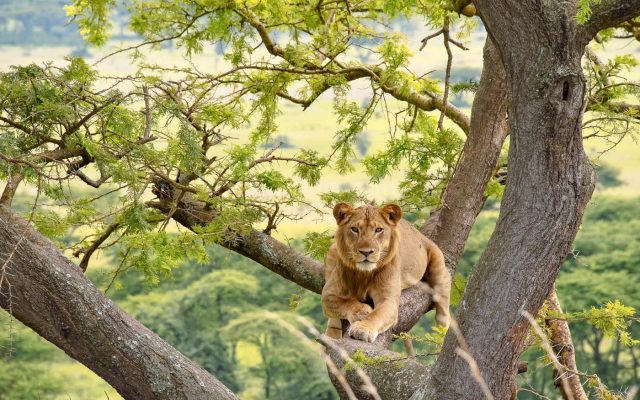
Ishasha is textbook topi habitat: open fig-tree savannah, scattered termite mounds, high visibility, and lion territory. The sector's ecological story intertwines topi grazing, mound sentinels, and the tree-climbing lions that hunt open grassland prey. Few landscapes in Uganda deliver this combination of antelope behaviour and predator fame in a single dawn drive.
Murchison Falls National Park
North-bank Buligi tracks cross classic Nile savannah where topi mingle with buffalo, elephant, Rothschild's giraffe, and Uganda kob. The scale is vast — wide horizons, Nile-margin grasslands, and delta approaches near Lake Albert that add seasonal variety to grazing habitat.
Predator–Prey Habitat Overlap
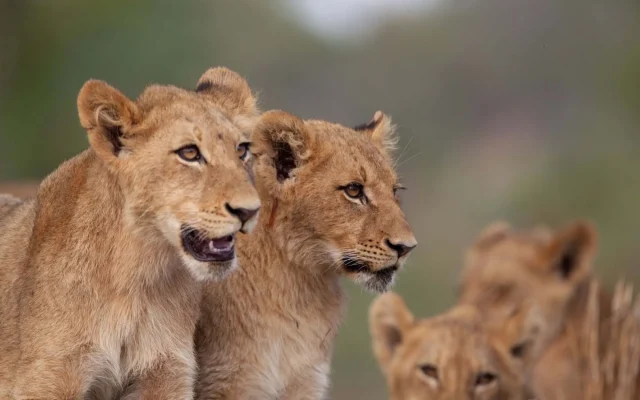
Topi choose plains that lions also hunt. The overlap is ecological, not accidental: open grass feeds topi and exposes stalking predators. Ishasha's lion prides depend on this shared landscape — a direct link between herbivore habitat and Uganda's signature predator tourism.
Habitat Threats
Outside protected areas, conversion of savannah to agriculture, livestock encroachment, and poaching reduce available habitat. Inside parks, invasive species, boundary settlement pressure, and climate-driven shifts in rainfall timing can alter grass regrowth patterns. Maintaining large, connected savannah blocks — especially Ishasha's linkage with the broader Queen Elizabeth ecosystem — remains the single most important habitat intervention for Uganda topi.
Safari Viewing and Habitat Ethics
Stay on designated tracks, avoid driving onto termite mounds or breeding grounds during the rut, and follow ranger guidance in flood-sensitive plains. Responsible tourism helps ensure the savannah mosaic that topi depend on stays intact for future breeding seasons.
Planning Your Visit
For habitat-focused viewing, prioritise dawn drives on mound-dotted plains in the dry season, combine Queen Elizabeth Ishasha or Murchison with our best time to see topi guide, and build savannah days into gorilla circuits via Uganda safari packages.