The topi is one of those antelopes that stops a game drive in its tracks — not because it is rare, but because it looks unlike anything else on the plain. Purple-brown flanks, black facial and thigh patches, and a tall alcelaphine silhouette give Damaliscus lunatus jimela a stately presence on the grasslands of Queen Elizabeth's Ishasha sector and Murchison Falls National Park. Add the habit of standing sentinel on termite mounds, and topi become living watchtowers above the savannah.
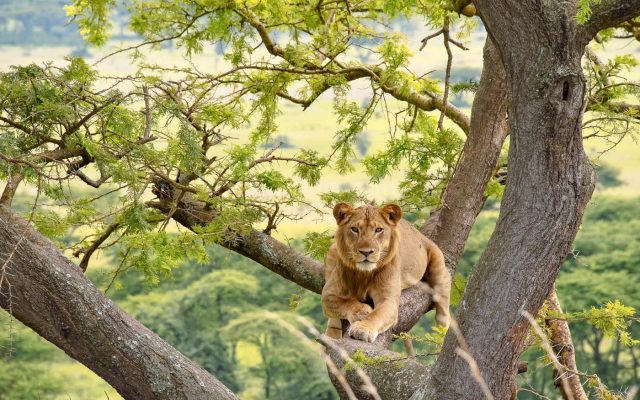
For safari travellers building a classic Uganda bush itinerary, topi are the antelope that ties together predator drama, open-plains photography, and the subtle ecology of East African grasslands. They graze beside Uganda kob and buffalo, scan for lions from elevated mounds, and in Ishasha share the stage with the park's famous tree-climbing lions. Watch a herd drift across fig-dotted savannah at dawn and the appeal is immediate — colour, posture, and the unmistakable rhythm of the African plains.
What Is a Topi?
The topi belongs to the family Bovidae and the subfamily Alcelaphinae — the same group that includes hartebeest, wildebeest, blesbok, and tsessebe. As a subspecies of Damaliscus lunatus, the East African topi D. l. jimela is adapted to medium-height grass savannah within reach of permanent water.
- Kingdom: Animalia
- Phylum: Chordata
- Class: Mammalia
- Order: Artiodactyla
- Family: Bovidae
- Subfamily: Alcelaphinae
- Genus: Damaliscus
- Species: Damaliscus lunatus
- Subspecies: Damaliscus lunatus jimela
Across Africa, topi range from Senegal eastward through the savannah belt into Kenya, Tanzania, and Uganda. In Uganda, viable populations concentrate in protected savannah parks — above all Queen Elizabeth (especially Ishasha) and Murchison Falls — where open grasslands and termite-mound topography suit their grazing and surveillance ecology.
Physical Characteristics
Size and Build
Adult males stand roughly 100 to 130 centimetres at the shoulder and weigh around 110 to 130 kilograms. Females are smaller, typically 90 to 100 centimetres tall and 70 to 90 kilograms. The body is long-legged and deep-chested — built for sustained running on open plains rather than forest manoeuvre.
Coat and Markings
The coat is a distinctive purple-brown to rusty red, darker on the upper body and paler on the underparts. Black patches mark the face, upper legs, thighs, and hips; a pale band rings the rump above dark upper legs. These markings help observers distinguish topi from redder Uganda kob and more angular hartebeest in mixed herds.
Horns
Both sexes carry horns, though male horns are larger and more lyrate — sweeping up and back in a crescent profile. Female horns are shorter and slimmer. Horn size influences male dominance on territorial breeding grounds during the rut.
Speed and Agility
Topi are built for open-country escape. They can sprint at speeds approaching 70 kilometres per hour, using powerful hindquarters to outrun ambush predators when warning comes early enough on exposed plains.
Termite-Mound Sentinels — A Signature Behaviour
Perhaps no topi behaviour is more beloved by safari guides and photographers than the sentinel posture on termite mounds. One animal — often a female or subadult — climbs a mound and stands tall, scanning the horizon while the herd grazes below. The mound adds a metre or more of height, improving sightlines for lions and hyenas approaching through grass.
On Ishasha game drives, a topi on a termite mound against fig-tree savannah has become a defining image of southern Queen Elizabeth — as recognisable in its way as the sector's tree-climbing lions.
Territorial Males and Breeding Grounds
During the breeding season, males defend clustered territories on traditional grounds — a system reminiscent of lek breeding in Uganda kob, though topi territories tend to be larger and less geometrically crowded. Dominant males display, posture, and clash horns while females visit briefly to assess mates. Outside the rut, sexual segregation relaxes and mixed grazing groups are common.
Savannah Ecology and Ecosystem Role
Topi are selective grazers of medium-height grass, often feeding where kob have already cropped shorter shoots or where fire and rain have produced fresh regrowth. Their grazing complements rather than duplicates kob ecology on shared plains. As prey, topi support lion populations — especially in Ishasha, where lion prides hunt open grassland antelope alongside buffalo and Uganda kob.
Topi also share savannah space with elephant, warthog, and waterbuck, forming the herbivore mosaic that makes Uganda's game drives feel authentically East African in a single morning.
Where Topi Live in Uganda
Topi inhabit open or lightly wooded savannah within reasonable distance of water. They are not forest antelopes; they thrive where visibility is high, grass is nutritious, and termite mounds provide lookout platforms — exactly the landscapes Ishasha and Murchison game-drive routes are designed to cross.
Queen Elizabeth National Park — Ishasha Sector
The Ishasha sector in southern Queen Elizabeth is Uganda's flagship topi destination. Open fig-tree savannah, scattered termite mounds, and reliable herds make dawn drives here among the best topi experiences in East Africa — often combined with tree-climbing lion viewing in the same session.
Murchison Falls National Park
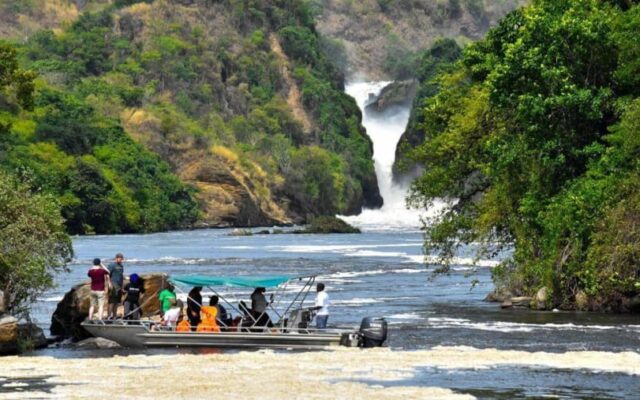
North-bank Buligi game circuits and Nile valley grasslands hold substantial topi populations, frequently photographed with Rothschild's giraffe, buffalo, and elephant against vast savannah backdrops.
Social Structure
Females and young form fluid herds whose size shifts with season, grass quality, and predation pressure. Males defend territories during breeding periods or move in bachelor groups. Sentinel duty on termite mounds rotates among herd members, spreading vigilance without every animal raising its head from grazing simultaneously.
Diet and Daily Routine
Topi feed most actively in early morning and late afternoon, resting during midday heat. Their diet is overwhelmingly grass, with some herbs and fresh shoots after rain. Because they often graze slightly taller grass than kob, the two species coexist on the same plains with limited direct competition.
Reproduction
After a gestation of roughly eight months, females typically calve toward the end of the rainy season. A single calf is the norm. Calves lie hidden in grass while mothers graze nearby — a strategy that works best where herd vigilance and sentinel mounds combine.
Predators and Survival
Lions are the topi's primary predator in Uganda's parks, with leopard and spotted hyena taking calves and weaker adults. The topi's strategy is vigilance from elevated mounds, speed, and herd cohesion. Alarm posture — stiff stance, raised head, ears forward — spreads through grazing groups and is often the first clue that a predator is nearby.
Conservation Status
The IUCN lists the topi species as Least Concern, and East African topi remain numerous inside Uganda's national parks. Nevertheless, populations depend heavily on protected savannah — a reminder that park funding, ranger patrols, and community tourism benefits remain essential for long-term security.
Why the Topi Matters
Ecologically, topi are part of the prey base that sustains Ishasha and Murchison lion populations. Aesthetically, they are among the most photogenic antelopes on a Uganda safari — colour, horns, and sentinel postures that reward patient dawn drives. For itinerary planning, they anchor the savannah experience that complements gorilla trekking and chimpanzee tourism in western Uganda.
Seeing Topi on Safari
Topi are reliable antelopes on Queen Elizabeth Ishasha and Murchison game drives. Pair this overview with our where to see topi, behaviour, and safari experiences guides to plan park sectors, seasons, and routes.
Quick Facts
| Scientific name | Damaliscus lunatus jimela |
|---|---|
| Signature behaviour | sentinel posture on termite mounds |
| Best parks | Queen Elizabeth (Ishasha), Murchison Falls |
| IUCN | Least Concern (species) |