The topi diet is built around grass — but with nuances that separate this alcelaphine from the shorter-grass specialism of Uganda kob. These antelopes target medium-height, nutritious shoots on open plains, a feeding strategy that shapes their habitat choices, coexistence with other grazers, and visibility to predators and safari visitors alike. Pair this guide with behaviour and where to see topi for the full savannah picture.
Primarily Grazers
Topi are overwhelmingly grazer-dependent. Grass forms the bulk of their intake year-round, supplemented by herbs, forbs, and fresh shoots when available. Unlike browsers such as giraffe, topi rarely feed on woody vegetation above ground level. Their mouths and teeth are adapted for cropping grass efficiently across long grazing sessions at dawn and dusk.
This grazing niche places them alongside buffalo, kob, and warthog on shared plains — but topi's preference for slightly taller, green growth reduces head-on competition with the shortest-grass specialists.
Medium-Grass Specialisation
Field observation in Uganda consistently links topi distribution to medium-height, green grass patches — often at plain margins, post-fire regrowth zones, or areas where kob and other species have already opened the sward. Ishasha's mixed plains illustrate the pattern: topi and kob graze the same landscapes but exploit different grass height layers.
Why Grass Height Matters
- Medium shoots balance protein content with availability across seasons
- Slightly taller grass offers marginal cover while grazing — though topi still favour open visibility
- Post-rain regrowth pulses attract herds to fresh zones
- Coexistence with kob is eased by dietary layering on shared plains
Seasonal Diet Shifts
During wet seasons, widespread green-up spreads topi across larger grazing areas. As dry seasons advance, herds concentrate near rivers, lakes, and remaining green pockets — behaviour that makes dry-season game drives especially productive for visitors even as nutritional stress rises for animals.
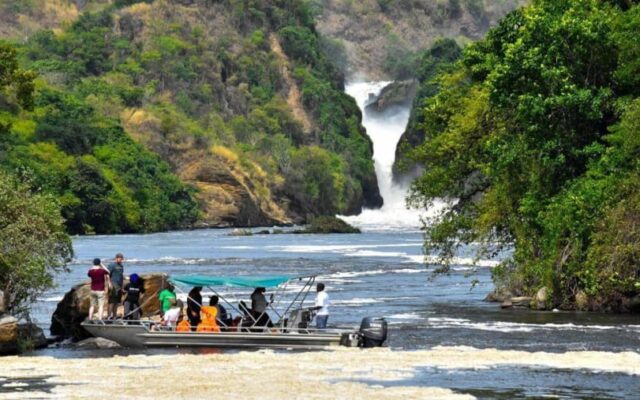
In Murchison Falls, Nile-margin grasses remain attractive deep into dry months. In Ishasha, lake-influenced drainage and fig-tree savannah margins hold green forage when interior plains brown.
Daily Feeding Rhythm
Topi typically feed most actively in early morning and late afternoon, resting or ruminating during midday heat — often in shade of scattered fig trees or acacias on Ishasha plains. Dawn drives therefore coincide with peak grazing activity: animals heads-down on grassland, sentinel rotation on termite mounds, and mixed groups with kob and buffalo.
As ruminants, topi ferment fibrous plant material in a multi-chambered stomach, extracting energy from grass that many non-ruminants cannot use efficiently. Cud-chewing during rest periods completes digestion of morning and evening intake.
Water Requirements
Regular drinking is essential. Topi visit waterpoints daily when possible, often moving as a herd to river bends, lake shores, or wallows. The link between grazing plains and nearby water defines their home-range ecology and explains why vehicle tracks along Nile frontage in Murchison and drainage lines in Ishasha are so productive for photography.
Diet and Breeding Behaviour
Outside the rut, males and females share grazing plains. During breeding, territorial males on clustered grounds spend less time feeding and more time displaying — an energetic cost offset by mating success. Females continue grazing in nearby herds, visiting territories briefly to assess males.
Female body condition — driven directly by grass quality — influences calving success and timing. Calves born as rains ease benefit from peak lactation forage.
Competition and Coexistence
On mixed plains, topi coexist with:
- Uganda kob: Shorter-grass grazer on the same plains; dietary layering reduces conflict
- Buffalo: Bulk grazers that open coarse grass; topi exploit regrowth
- Warthog: Different rooting and grazing style but shared waterpoints
- Elephant: Habitat engineers whose feeding creates edge habitats and fire breaks
Competition is moderated by differences in grass height preference, daily movement, and seasonal dispersal.
Diet's Role in Predator Ecology
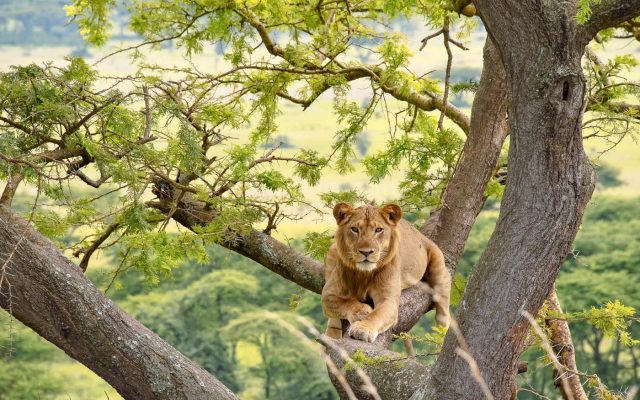
Topi nutrition drives body condition, calving success, and vulnerability. Well-fed herds produce healthier calves and sustain predator populations — especially lions in Ishasha and Murchison. Savanna conservation is therefore a food-web story: protecting grasslands protects topi, which protects lions, which protects the predator tourism that funds rangers.
What Topi Do Not Eat
Topi are not fruit specialists, scavengers, or significant bark browsers. They do not depend on crops inside well-managed parks, though boundary farms can suffer where protection fails. Keeping topi inside productive savannah habitat reduces human–wildlife conflict at park edges.
Observing Feeding Behaviour on Safari
Look for heads-down grazing lines, sentinel rotation on termite mounds, sudden alarm posture when a lion is scented, and midday rest clusters under fig trees in Ishasha. Guides in Queen Elizabeth and Murchison often position vehicles with the sun behind travellers for golden-hour shots of feeding herds.
Conservation Link
Maintaining fire regimes, water access, and large grazing plains inside national parks protects the food base topi depend on. Learn more on our topi conservation page and plan grazing-season viewing via best time to see guidance.