Southern white rhino habitat — expert Uganda safari guide from local planners who know permits, parks, and realistic routing.
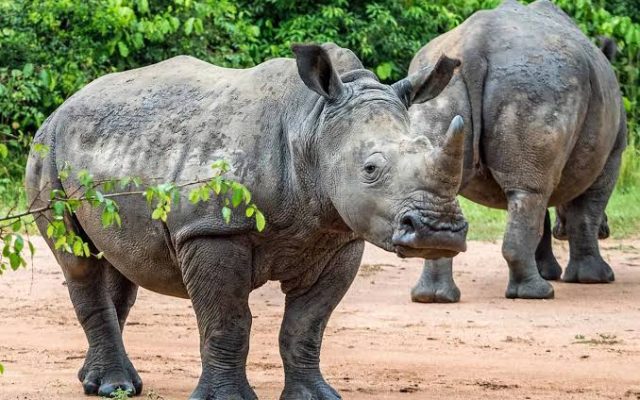
White rhino habitat is defined by openness, grass, and water. Unlike forest-dwelling species or specialised browsers, southern white rhinos require landscapes where they can graze efficiently, wallow in mud, and move between feeding grounds and shade. In Uganda, the only place to experience this habitat with rhinos present is Ziwa Rhino Sanctuary — a managed reserve en route to Murchison Falls National Park that replicates the savannah conditions rhinos will eventually return to. Explore white rhino facts and where to see white rhinos for companion planning guides.
What Habitat Do White Rhinos Need?
Southern white rhinos inhabit open grasslands, savannah woodlands, floodplain edges, and mosaic landscapes where short grasses dominate the ground layer. They avoid dense forest because their wide-lipped grazing adaptation depends on accessible, low-growing vegetation. Reliable water sources — rivers, wallows, seasonal pans — are essential, as rhinos drink daily and depend on mud bathing for thermoregulation and skin health.
Ideal white rhino habitat includes:
- Short-grass savannah and grazing lawns
- Savannah woodland with open understory
- Permanent or seasonal water for drinking and wallowing
- Mud wallows and mineral-rich soil patches
- Sufficient territory for territorial bulls and breeding females
- Low human disturbance and effective anti-poaching security
Grassland Ecology and the Grazer's Role
White rhinos are ecosystem engineers. By cropping grasses close to the ground, they prevent woody encroachment and maintain open grazing lawns that support zebra, topi, warthog, and waterbuck. Their dung recycles nutrients and provides substrate for dung beetles and other invertebrates. In functional savannah systems, rhinos sit alongside elephants, buffalo, and fire in shaping vegetation structure.
This ecological role is central to Uganda's long-term reintroduction plan. Returning rhinos to Murchison Falls National Park is not only about restoring the Big Five for tourism — it is about reinstating a missing herbivore that once influenced northern Uganda's grassland dynamics.
Savannah Woodland Mosaic
White rhinos do not live exclusively on open plains. They frequently use savannah woodland — areas where scattered trees provide shade without blocking ground-level grasses. At Ziwa, tracking walks often move through woodland glades where rhinos rest during midday heat before returning to open feeding areas in cooler hours. This mosaic pattern mirrors wild populations across southern Africa.
Water and Wallowing Sites
Access to water defines rhino movement. White rhinos drink regularly and seek out mud wallows where they coat their skin to cool down, block sun exposure, and discourage parasites. Wallows become social landmarks — rhinos revisit them, and rangers use wallow locations as tracking clues. Sanctuary managers at Ziwa maintain water points and wallow areas to support natural behaviour.
Historical Habitat in Uganda
Before extinction, white rhinos ranged through northern Uganda's savannah belt, including areas now within Murchison Falls National Park and surrounding wildlife reserves. The Nile corridor, Borassus palm savannah, and woodland-grassland transitions provided suitable grazing. Decades of poaching during political instability removed every animal, leaving ecosystems without their largest grazer.
Understanding this history matters for travelers. When you track rhinos at Ziwa, you are seeing a species in a holding habitat — protected, managed, and deliberately chosen to mirror the conditions they will need when released into national parks.
Ziwa Rhino Sanctuary Habitat
Ziwa Rhino Sanctuary covers approximately 70 square kilometres of restored savannah woodland and grassland in Nakasongola District, roughly midway between Kampala and Murchison Falls. The sanctuary is fenced and patrolled 24 hours a day, creating a secure island where rhinos can breed without poaching pressure.
Habitat Management
Sanctuary staff manage vegetation to maintain grazing quality, control invasive species, and ensure adequate browse-grass balance. Water infrastructure supplements natural sources during dry periods. The goal is not merely to keep rhinos alive but to prepare them — behaviourally and ecologically — for eventual wild release.
Tracking Terrain
Visitors on rhino tracking walks experience the habitat on foot: red-earth paths through woodland, open glades where rhinos graze, and wallow margins where animals cool themselves. Terrain is generally flat to gently rolling, though walks can cover several kilometres depending on where rhinos have moved overnight.
Murchison Falls and Future Wild Habitat
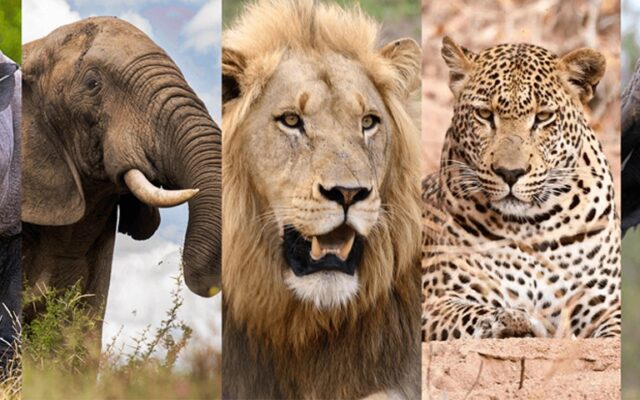
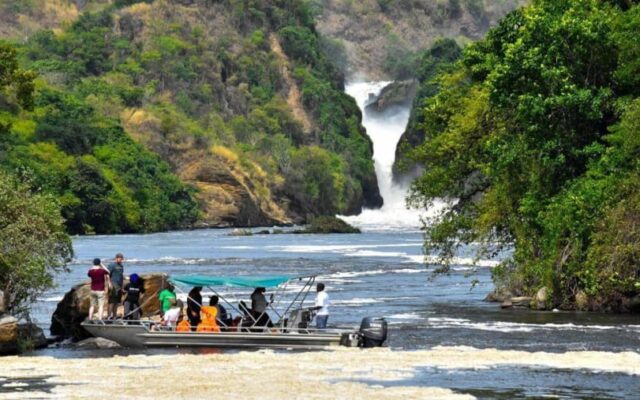
Murchison Falls National Park represents the ultimate destination for Uganda's reintroduced rhinos. The park's northern sector offers extensive savannah, river frontage, and existing populations of lion, leopard, elephant, and buffalo. Releasing rhinos there would restore a complete Big Five ecosystem and give travelers the chance to see rhinos on conventional game drives — not only at the sanctuary.
Reintroduction requires sufficient breeding stock, rigorous security assessments, community engagement, and veterinary protocols. Ziwa's growing population is the foundation, but the timeline depends on conservation milestones rather than tourism demand.
Habitat Across Africa
Most southern white rhinos today live in South Africa, particularly in protected areas and private reserves of KwaZulu-Natal, Limpopo, and the Eastern Cape. Smaller populations exist in Namibia's Etosha margins, Kenya's Solio Ranch and Ol Pejeta Conservancy, Zimbabwe's Hwange region, and Botswana's translocated groups. Each population occupies grazable savannah within intensive protection frameworks.
Threats to Rhino Habitat
Habitat loss threatens rhinos indirectly by fragmenting landscapes and increasing human-wildlife conflict at reserve boundaries. In Uganda, the primary constraint is not habitat availability within protected areas — Murchison has ample suitable land — but the security and breeding thresholds required before release. Across Africa, agricultural expansion, settlement, and infrastructure projects continue to reduce connective corridors between protected areas.
Climate and Seasonal Habitat Use
White rhinos adjust movement seasonally. During wet periods, grasses grow rapidly and rhinos spread across available grazing. In drier months, they concentrate near water and wallows, sometimes ranging further to find nutritious regrowth after fire or light grazing pressure. At Ziwa, seasonal patterns influence tracking walk duration and the time of day when rhinos are most visible in open areas.
Why Habitat Protection Matters for Uganda
Uganda's rhino recovery depends on two habitat layers working together: the secure breeding sanctuary at Ziwa and the future wild landscape of Murchison Falls. Protecting both — through ranger patrols, community partnerships, tourism revenue, and anti-poaching intelligence — is the only path to a self-sustaining national population. Learn how conservation supports this vision on our white rhino conservation page, and plan a visit through best time to see white rhinos and safari experiences.