WildlifeSouthern White Rhino

FAQs — Southern White Rhino

Southern white rhino faqs

White Rhino FAQs and Answers — use the questions below for quick answers on biology, rhino tracking, where to see white rhinos in Uganda, conservation, safety, and safari planning. Explore Ziwa Rhino Sanctuary, best time to visit, rhino safari experiences, and Uganda safari packages for deeper guides — or request a quote for a tailored itinerary.
What is a white rhino?

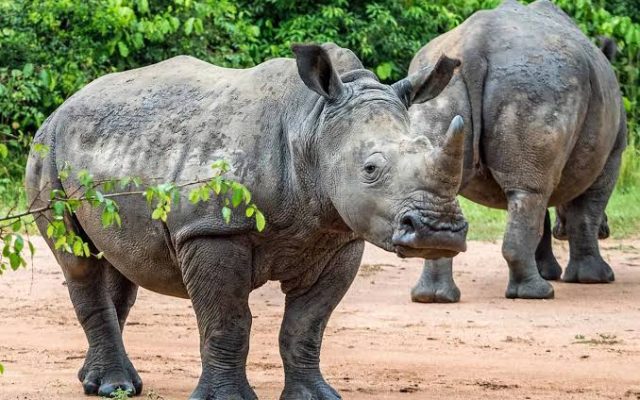
The white rhino (Ceratotherium simum) is the largest rhinoceros species and the second-largest land mammal after the elephant. White rhinos are known for their massive bodies, wide mouths adapted for grazing, and impressive horns. They are one of Africa's most iconic wildlife species and a member of the Big Five.

Why is it called a white rhino?

The name white rhino is believed to have originated from the Dutch word wijd, meaning "wide," which refers to the animal's broad, square-shaped mouth. Early English settlers misinterpreted the word as "white," leading to the common name used today.

Where can I see white rhinos in Uganda?

The best place to see white rhinos in Uganda is Ziwa Rhino Sanctuary. This sanctuary was established to reintroduce rhinos to Uganda after they became extinct in the country's wild habitats during the 1980s. See our where to see white rhinos guide for planning details.

Are there rhinos in Uganda's national parks?

Currently, wild rhinos are not yet established in Uganda's national parks. All rhinos in Uganda are found at Ziwa Rhino Sanctuary as part of an ongoing conservation and breeding program aimed at future reintroduction.

How much does a white rhino weigh?

Adult male white rhinos typically weigh between 2,000 and 2,500 kilograms, while females generally weigh between 1,600 and 2,000 kilograms. Exceptional bulls can weigh more than 3,000 kilograms.

How tall is a white rhino?

White rhinos stand approximately 1.5 to 1.8 meters tall at the shoulder, making them one of the largest terrestrial mammals in Africa.

What do white rhinos eat?

White rhinos are herbivores and primarily graze on grasses. Their wide mouths are specially adapted for feeding on short grasses found in savannah ecosystems. Learn more on our white rhino diet page.

How much food does a white rhino eat?

A white rhino can consume over 50 kilograms of grass per day. They spend much of their time feeding to maintain their enormous body size.

How long do white rhinos live?

White rhinos typically live between 35 and 50 years in the wild. Under protected conditions, some individuals may live even longer.

Are white rhinos endangered?

The southern white rhino is currently classified as Near Threatened, while the northern white rhino is functionally extinct, with only two surviving females remaining. Conservation efforts continue to focus on protecting and increasing southern white rhino populations.

What is the difference between white and black rhinos?

White rhinos have broad, square lips designed for grazing, while black rhinos have pointed lips adapted for browsing leaves and shrubs. White rhinos are also generally larger and more social than black rhinos.

Why are rhinos poached?

Rhinos are poached primarily for their horns, which are illegally traded in some parts of the world for traditional medicine, ornaments, and status symbols despite having no scientifically proven medicinal value.

What are rhino horns made of?

Rhino horns are made entirely of keratin, the same protein found in human hair and fingernails. Unlike horns of cattle and antelope, rhino horns contain no bone.

How many white rhinos remain in Africa?

There are approximately 16,000–18,000 southern white rhinos remaining in Africa. Conservation efforts have helped stabilize populations, although poaching remains a serious threat.

How fast can a white rhino run?

Despite their size, white rhinos can run at speeds of up to 50 kilometers per hour (31 miles per hour) over short distances.

Are white rhinos aggressive?

White rhinos are generally less aggressive than black rhinos and often tolerate the presence of other rhinos. However, they can become dangerous if startled, threatened, or protecting calves.

Can rhinos see well?

Rhinos have relatively poor eyesight and may struggle to identify objects more than a short distance away. However, they compensate with excellent hearing and an exceptional sense of smell.

How good is a rhino's sense of smell?

Rhinos possess one of the strongest senses of smell among mammals. They use scent to locate water, identify other rhinos, detect predators, and establish territories.

How long is rhino pregnancy?

White rhinos have a gestation period of approximately 16 months, making it one of the longest pregnancies among land mammals.

How many calves does a white rhino have?

White rhinos usually give birth to a single calf every two to four years. Twins are extremely rare.

What predators threaten white rhinos?

Adult white rhinos have few natural predators because of their size and strength. Young calves may occasionally be targeted by lions, hyenas, or crocodiles, but humans remain the greatest threat.

Where do white rhinos live?

White rhinos inhabit grasslands, savannahs, and open woodlands where grazing opportunities are abundant and reliable water sources are available. See our white rhino habitat guide for more detail.

What is the best time to see white rhinos?

Rhinos can be seen year-round. Early morning and late afternoon are often the best times because rhinos tend to be more active during cooler periods of the day. See our best time to see white rhinos guide for monthly conditions.

Can white rhinos swim?

White rhinos are capable of crossing rivers and moving through water, but they are not known for swimming long distances. They frequently enjoy wallowing in mud and shallow pools.

Why do rhinos wallow in mud?

Mud helps cool the rhino's body, protects its skin from the sun, and reduces irritation from insects and parasites.

Why are rhinos important to ecosystems?

Rhinos help maintain healthy grasslands through their grazing habits. By shaping vegetation, they create habitats that benefit numerous other wildlife species.

What conservation efforts protect white rhinos?

Conservation programs include anti-poaching patrols, protected sanctuaries, armed ranger units, habitat protection, scientific monitoring, breeding programs, and community conservation initiatives. Learn more on our white rhino conservation page.

How do rhinos communicate?

Rhinos communicate through vocal sounds, scent marking, dung piles, urine spraying, and body language. Scent communication is particularly important for establishing territories. Explore more on our white rhino behaviour page.

Do white rhinos live alone?

White rhinos are generally more social than black rhinos. Females often associate with other females and their calves, while males maintain territories that may overlap with several females.

What habitats do white rhinos prefer?

White rhinos prefer open grasslands and savannah ecosystems where they can graze efficiently and access water regularly.

Why are rhinos part of the Big Five?

Rhinos were included in the Big Five because they were historically considered among the most dangerous and difficult animals to hunt on foot due to their size, strength, and unpredictable charges.

Can rhinos charge humans?

Yes. If threatened or startled, a rhino may charge at high speed. Although their eyesight is poor, they can be extremely dangerous during defensive encounters.

How many rhinos are found in Uganda?

Uganda's rhino population currently consists of several dozen white rhinos living at Ziwa Rhino Sanctuary. The population continues to grow through successful breeding efforts.

What role does rhino tourism play in conservation?

Rhino tracking tourism at Ziwa Rhino Sanctuary generates revenue that supports sanctuary operations, ranger salaries, veterinary care, habitat management, and conservation education programs.

Will rhinos return to Uganda's national parks?

The long-term goal of Uganda's rhino conservation program is to reintroduce rhinos into protected national parks such as Murchison Falls National Park once populations are large enough and conditions are suitable. Successful breeding at Ziwa Rhino Sanctuary is a crucial step toward achieving this goal.

What is rhino tracking at Ziwa Rhino Sanctuary?

Rhino tracking is a guided on-foot wildlife walk led by armed rangers at Ziwa Rhino Sanctuary. Small groups follow tracks and signs through savannah woodland until southern white rhinos are located, then observe them from a safe distance. Walks typically last one to two hours. See our white rhino safaris guide for itinerary ideas.

How difficult is rhino tracking on foot?

Rhino tracking at Ziwa is manageable for most active adults. Terrain is generally flat to gently rolling, though walks may cover several kilometres. Morning and afternoon sessions avoid the worst midday heat. Closed shoes, sun protection, and moderate fitness are recommended. Rangers adjust pace to the group.

Can I complete the Big Five in Uganda?

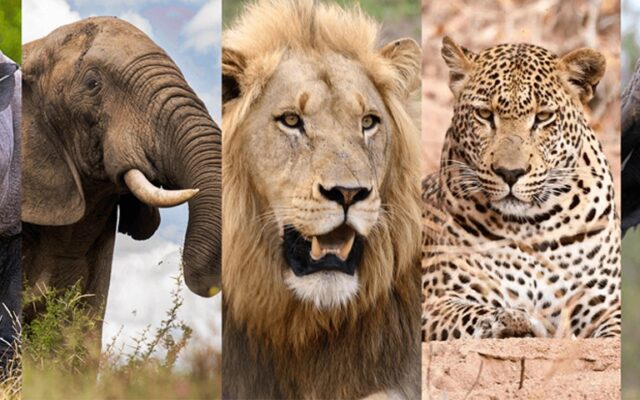
Yes — by combining Ziwa Rhino Sanctuary (rhino) with Murchison Falls National Park (lion, leopard, elephant, buffalo). Rhinos are not yet on Murchison game drives, so the Ziwa stopover is essential for a genuine Big Five itinerary. Plan routes on our where to see white rhinos page.

When was Ziwa Rhino Sanctuary established?

Ziwa Rhino Sanctuary was established in 2005 by Rhino Fund Uganda and the Uganda Wildlife Authority to reintroduce southern white rhinos after national extinction in the early 1980s. The first rhinos arrived from Kenya and international breeding programs, launching Uganda's recovery effort.

Safari packages to see Southern White Rhino

Bookable itineraries below include parks and activities where you are most likely to encounter Southern White Rhino in the wild.

View all packages
1 Day Rhino Tracking at Ziwa Sanctuary

1 Day Rhino Tracking at Ziwa Sanctuary

1 day

Uganda · On-foot rhino experience

You visit

Ziwa Rhino and Wildlife Ranch, Nakasongola, Kampala or Entebbe

Ziwa Rhino and Wildlife Ranch (often called Ziwa Rhino Sanctuary) is the only place in Uganda where you can track wild southern white rhinos on foot. The project began in 2005 and now protects a breed…

3 Days Big Five Safari in Uganda

3 Days Big Five Safari in Uganda

3 days

Uganda · Rhino, big game & highlights

You visit

Entebbe (Start, End)

Uganda’s Big Five in three days pairs Ziwa rhinos on foot with Queen Elizabeth National Park — the country’s most visited savannah reserve for lion, leopard, elephant and buffalo. Rhinos were poached…

7 Day Uganda Wildlife & GorillaBestSeller

7 Day Uganda Wildlife & Gorilla

7 days

Uganda · Nile, chimps, wildlife & gorillas

You visit

Murchison Falls, Kibale Forest, Queen Elizabeth NP, Bwindi Forest, Entebbe

Seven days with gorillas: the wildlife tour above plus Bwindi trekking on Day 6 — the single most booked private itinerary for Uganda Safari Tours guests who want chimps, savannah and gorillas in one…

3 Day Murchison Falls Safari

3 Day Murchison Falls Safari

3 days

Uganda · Nile boat & Big Five potential

You visit

Murchison Falls, Entebbe

Our classic 3-day Murchison Falls safari follows the park’s most proven circuit: dramatic falls, savannah game drives north of the Nile, and the famous boat trip where the river narrows below the casc…

Get a free quote