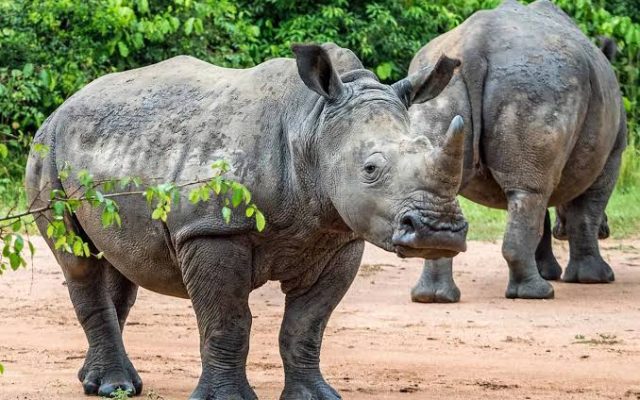
Southern white rhino conservation is one of Africa's great recovery narratives — a species pulled back from the edge of extinction in the twentieth century, yet still threatened by poaching today. Uganda's chapter is equally dramatic: a nation that lost every wild rhino during civil conflict now breeds them back at Ziwa Rhino Sanctuary, with the long-term goal of restoring free-ranging populations to Murchison Falls National Park. This guide covers status, threats, Uganda's reintroduction story, and how tourism supports the mission. See also white rhino facts and safari experiences.
Conservation Status
The southern white rhino (Ceratotherium simum simum) is classified as Near Threatened on the IUCN Red List. This represents a significant improvement from the Critically Endangered brink the subspecies occupied when fewer than 100 animals survived in the late nineteenth century. Today, roughly 16,000 to 18,000 southern white rhinos exist across Africa — overwhelmingly in South Africa, with smaller populations in Namibia, Kenya, Zimbabwe, and Botswana.
Near Threatened does not mean safe. Poaching surges can reverse decades of progress within years, as South Africa experienced during peak horn-trafficking periods. Continuous protection remains non-negotiable.
Uganda's Rhino Extinction
Uganda once supported wild rhinos across northern savannah landscapes, including areas now within Murchison Falls National Park. During the 1970s and 1980s, poaching intensified amid political instability and weak park enforcement. Rhinos were killed for their horns, and by the early 1980s the last wild individuals had disappeared. Uganda joined a growing list of African range states that lost rhinos entirely — a national tragedy for biodiversity and tourism alike.
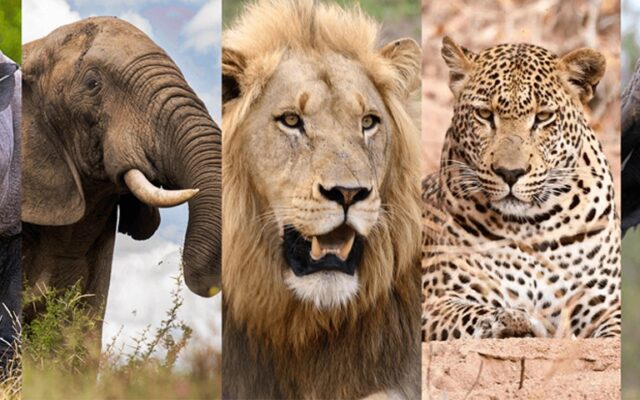
For years, travelers could see four of the Big Five in Murchison but not the fifth. That gap defined Uganda's safari marketing challenge until reintroduction efforts began.
Birth of Ziwa Rhino Sanctuary
In 2005, Rhino Fund Uganda — in partnership with the Uganda Wildlife Authority and private landowners — established Ziwa Rhino Sanctuary on 70 square kilometres of savannah in Nakasongola District. The sanctuary was designed as a secure breeding nucleus: fenced, patrolled around the clock, and managed to produce calves that would eventually seed wild populations.
Initial rhinos arrived from Kenya's Solio Ranch and from conservation programs in the United States, beginning a population that has grown steadily through natural breeding. Each birth is celebrated nationally — not merely as a tourist attraction but as measurable progress toward ecological restoration.
The Reintroduction Roadmap
Uganda's rhino strategy follows a phased model used successfully elsewhere in Africa:
- Phase 1 — Secure breeding: Establish a protected sanctuary population with 24-hour anti-poaching coverage
- Phase 2 — Population growth: Achieve sustainable breeding rates and genetic diversity
- Phase 3 — Wild release: Translocate rhinos to national parks when security and ecological assessments confirm readiness
- Phase 4 — Free-ranging management: Monitor released animals with intensive protection zones within parks
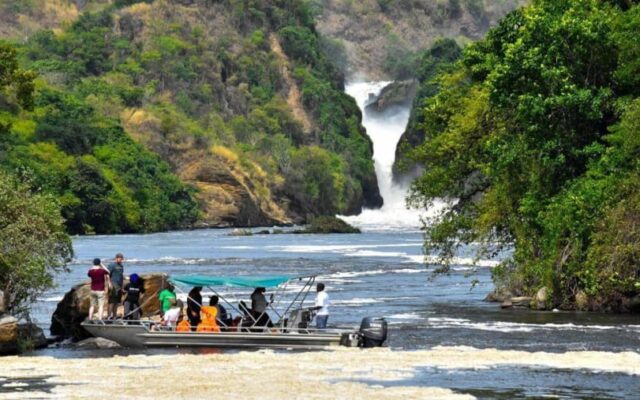
Murchison Falls National Park is the primary target for release. The park offers suitable savannah habitat, existing mega-herbivore communities, and established tourism infrastructure. Timing depends on population thresholds and security — not political deadlines.
Anti-Poaching and Security
Rhino horn poaching is driven by illegal demand in black markets, despite keratin horns having no proven medicinal properties. Poachers use firearms, poison, and inside information. Sanctuaries and reserves respond with armed ranger units, aerial patrols, canine teams, intelligence networks, and community informant programs.
At Ziwa, every rhino is guarded continuously. Rangers walk patrol routes, monitor fence integrity, and respond to incursions. The cost of this security is substantial — which is why tracking tourism revenue matters directly to operational survival.
Role of Tourism in Conservation
Rhino tracking at Ziwa is a conservation funding mechanism, not an afterthought. Permit fees, lodge revenue, and guide tips support ranger salaries, veterinary care, vehicle maintenance, and community livelihoods linked to the sanctuary. Travelers who include Ziwa on a Murchison itinerary are participating in Uganda's rhino recovery — not just checking a Big Five box.
Responsible tourism principles include:
- Following ranger instructions during tracking walks
- Avoiding stress behaviours (loud noise, close approach, flash photography)
- Choosing operators who include sanctuary fees transparently
- Spreading awareness about poaching and horn trade myths
Breeding Program Success
Ziwa's breeding record demonstrates that Uganda can sustain rhinos when security and habitat management align. Multiple generations of calves have been born on site — each one advancing the population closer to release thresholds. Veterinary monitoring tracks health, genetics, and reproductive cycles. Sanctuary managers maintain studbook data to prevent inbreeding and plan future translocations.
Community Conservation
Rhino conservation succeeds when neighbouring communities benefit. Ziwa employs local staff, sources supplies regionally, and channels tourism income into area economies. Reducing incentives for poaching recruitment requires economic alternatives — lodge construction, guiding jobs, and agricultural markets all contribute. Community engagement is a formal component of Uganda Wildlife Authority policy, not optional goodwill.
Regional and International Partnerships
Uganda's program draws on expertise from African Parks, South African rhino managers, Kenya's Solio breeding model, and international donors who fund equipment, training, and veterinary supplies. Translocation science — crate training, sedation protocols, release monitoring — depends on cross-border collaboration. Southern white rhino conservation is genuinely a pan-African effort.
Threats That Remain
Poaching
Horn trafficking networks adapt constantly. Sanctuaries are high-value targets. Uganda must maintain vigilance even within fenced reserves.
Political and Funding Instability
Conservation programs require sustained budgets. Economic pressure on protected-area authorities can weaken patrol capacity if tourism revenue drops.
Habitat Fragmentation
Future wild populations need connective habitat within parks and buffer zones. Human settlement expansion near Murchison boundaries remains a long-term planning concern.
Climate Stress
Changing rainfall patterns affect grass quality and water availability — indirect pressures on breeding success.
Comparison With Global White Rhino Recovery
South Africa's southern white rhino recovery — from near extinction to tens of thousands — proves what intensive protection can achieve. Uganda's program is smaller in scale but identical in philosophy: secure nucleus, breed, release, protect. The northern white rhino subspecies offers the counter-narrative — only two females remain, functionally extinct — underscoring what Uganda risks losing again if vigilance fails.
How Travelers Can Support Conservation
Include Ziwa on your northern Uganda itinerary. Visit during tracking sessions that fund operations directly. Choose safari operators who explain the reintroduction story accurately. Avoid purchasing any product claiming rhino horn content — anywhere in the world. Share Uganda's recovery narrative to counter misinformation about horn value.
Plan through our where to see white rhinos, best time to visit, and white rhino safaris guides — or browse Uganda safari packages that pair Ziwa with Murchison Falls.
Looking Ahead
The day rhinos walk freely in Murchison Falls National Park will mark one of Uganda's greatest conservation milestones. Until then, Ziwa Rhino Sanctuary is the living bridge — a place where extinction becomes recovery, one calf at a time. The story is not finished. It is being written now, with rangers on patrol, cows nursing calves in woodland glades, and travelers walking quietly through grassland to witness a species come home.