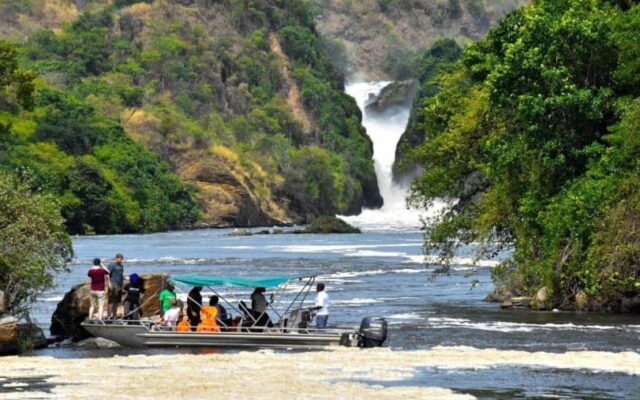
Secretary bird conservation has become urgent across Africa. Listed as Endangered by the IUCN, Sagittarius serpentarius faces declining populations as grasslands convert to farmland and persecution persists on agricultural margins. In Uganda, Murchison Falls, Queen Elizabeth, and Kidepo Valley protect critical habitat — but national park status alone does not eliminate threats. Explore habitat protection, where secretary birds live, and responsible safari tourism.
Global Status — Endangered
The IUCN Red List classifies the secretary bird as Endangered, citing rapid population declines across much of sub-Saharan Africa. Estimates suggest the global population has fallen substantially over recent decades, with range contraction in countries where savannah has been converted to intensive agriculture.
Unlike Least Concern species that remain abundant continent-wide, secretary birds require active conservation attention — even in countries like Uganda where park populations appear healthy on game drives.
Uganda's Conservation Position
Within Uganda, secretary birds remain resident in major savannah national parks — a stronger position than in countries where the species has disappeared from former range. Murchison Falls, Queen Elizabeth, and Kidepo Valley collectively protect extensive open grassland with nesting trees and prey bases.
However, Uganda is not immune to continental trends. Farmland encroachment on park boundaries, pesticide drift from adjacent crops, and infrastructure development along migration corridors between roosts and feeding grounds all pose risks. Park populations can mask gradual decline if monitoring is insufficient.
Threats
Habitat Loss
Conversion of savannah to cropland eliminates secretary bird territories outside protected areas. Even inside parks, woody encroachment where fire regimes change can reduce open grassland. Maintaining the grass–tree mosaic through managed burning and herbivore grazing is essential.
Pesticide and Poisoning
Agricultural pesticides reduce insect and rodent prey — indirectly starving secretary birds. Direct poisoning occurs when birds are killed in retaliation for perceived livestock threats or caught in poisoned-bait campaigns targeting predators. Carcass poisoning can kill secretary birds scavenging tainted kills.
Power Infrastructure
Collision with power lines and electrocution on poorly designed pylons kill secretary birds across Africa. Birds commuting between roost trees and distant feeding grounds cross linear infrastructure at dawn and dusk — peak collision hours. New development near park boundaries requires bird-safe design.
Persecution
Secretary birds are sometimes killed out of fear — particularly where snake-hunting behaviour is misunderstood as a threat to people or livestock. Education programmes in communities surrounding savannah parks reduce unnecessary persecution.
Nest Disturbance
Approaching active nests, tree-felling near nest platforms, and harassment during breeding reduce reproductive success. Tourism vehicles that crowd nest trees during chick-rearing cause abandonment in extreme cases.
Protected Area Management
Uganda Wildlife Authority management of Murchison Falls, Queen Elizabeth, and Kidepo Valley provides the legal foundation for secretary bird conservation. Park activities include anti-poaching patrols, fire management for savannah maintenance, tourism regulation, and community engagement on boundaries.
Revenue from park fees and concession lodges funds ranger operations — the front line against snaring, illegal grazing, and habitat degradation.
Research and Monitoring
Population monitoring across Africa remains inconsistent. Uganda benefits from regular tourist sightings that supplement formal surveys, but systematic territory mapping and breeding success monitoring would strengthen management. Regional collaboration tracks range-wide decline drivers — habitat loss and poisoning feature prominently in research literature.
Tourism as a Conservation Tool
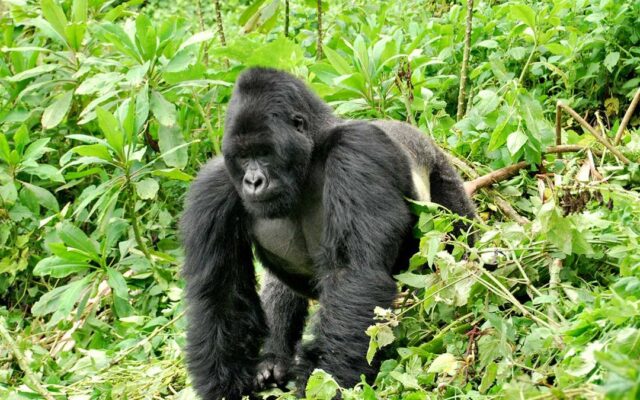
Every park entry fee and licensed safari contributes to Uganda Wildlife Authority budgets. Secretary birds are not Uganda's headline species like mountain gorillas, but they anchor savannah birding value on northern circuits — rewarding travellers who scan plains systematically. Diversifying tourism beyond primate trekking strengthens economic arguments for savannah protection.
Responsible visitors amplify this effect by booking licensed operators, following track rules, and briefing guides to maintain distance from nesting trees. See Uganda safari packages from reputable sources.
How Travellers Can Help
- Visit Murchison, Queen Elizabeth, or Kidepo on savannah itineraries — tourism revenue supports protection
- Book through licensed operators paying official park fees
- Report injured birds or nest disturbance to Uganda Wildlife Authority rangers
- Maintain distance from active nests during breeding season
- Support birding safaris that value grassland species alongside forest endemics
- Avoid products from areas using poisoned bait for predator control
Looking Ahead
Secretary bird conservation in Uganda is achievable if savannah parks remain secure and boundary communities benefit from tourism. The species is not yet at crisis point within protected areas — but continental Endangered status demands vigilance. Sustained funding, bird-safe infrastructure planning, reduced pesticide pressure, and visitor engagement keep Uganda's secretary birds on stable ground.