Martial eagle conservation is urgent. Upgraded to Endangered on the IUCN Red List, Polemaetus bellicosus faces poisoning from predator-control bait, electrocution on power lines, habitat loss, and persecution across much of Africa. Uganda's national parks offer refuge — but only where savannah remains connected, nest trees stand, and communities see more value in live eagles than in poisoned carcasses. This page examines status, threats, and how responsible tourism supports the species — alongside habitat and where to see guides for park-level context.
Global Conservation Status
The IUCN Red List categorises Polemaetus bellicosus as Endangered. Population trend is declining across much of the range. Generation length is long and reproductive output low — a single poisoned adult can erase years of breeding investment for a territory.
Endangered status reflects not imminent global extinction tomorrow but accelerating loss of the open savannah ecosystems the species requires. Uganda's protected parks are increasingly important as strongholds.
Why Martial Eagles Matter Ecologically
As apex avian predators, martial eagles:
- Regulate guineafowl, hare, and mongoose populations
- Remove sick, injured, and weak prey from savannah systems
- Signal intact food webs and large nest-tree availability
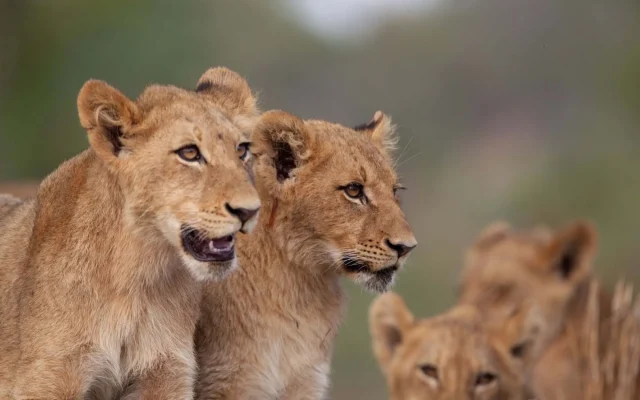
- Anchor raptor diversity alongside lions and leopards in open-country parks
A savannah without martial eagles often indicates poisoning pressure, nest-tree loss, or prey depletion — not merely bad luck on a single game drive.
Threats to Martial Eagles in Uganda
Poisoning
The gravest threat. Farmers and pastoralists lace carcasses with pesticides to kill lions, hyenas, and jackals; martial eagles scavenging or feeding on poisoned prey die rapidly. A single incident can eliminate both adults in a territory. Anti-poisoning programmes in Kenya and Tanzania show recovery is possible where communities adopt alternatives — Uganda benefits from the same awareness.
Electrocution
Large wingspans bridge poorly insulated power lines on park peripheries. Martial eagles perching or colliding with pylons suffer fatal shocks. Retrofitting lines near Murchison and Queen Elizabeth corridors is a infrastructure priority with direct raptor benefits.
Nest Tree Loss
Removal of large acacias and figs for charcoal, construction, or "tidying" eliminates breeding sites. A territory without a nest tree is a territory without reproduction — even if hunting habitat persists.
Habitat Fragmentation
Agricultural expansion outside parks shrinks connected savannah. Martial eagles need vast ranges; isolated fragments cannot support viable pairs long-term.
Persecution and Shooting
Direct shooting — motivated by poultry loss fears or traditional beliefs — still occurs in some regions. Education linking eagles to ecotourism value counters persecution narratives.
Snaring and Prey Depletion
Bushmeat snaring reduces hare and antelope abundance. Eagles can switch to guineafowl, but overall prey decline stresses territories and lengthens hunting effort during chick rearing.
Protected Areas as Strongholds
Uganda's savannah national parks safeguard core martial eagle habitat:
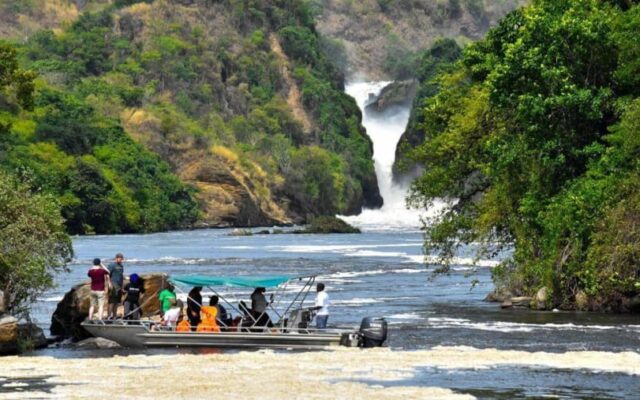
- Murchison Falls National Park — Nile woodland and Buligi savannah
- Queen Elizabeth National Park — Kasenyi Plains and Ishasha woodland
- Lake Mburo National Park — acacia hills and compact territories
- Kidepo Valley National Park — remote semi-arid savannah at range edge
Park entry fees and safari tourism revenue fund rangers who deter snaring and monitor poisoning incidents — a direct link between travel and raptor conservation.
Role of Responsible Tourism
Travellers contribute by:
- Choosing licensed operators who respect nest buffers
- Never approaching active nests on foot
- Avoiding drone flights near raptors
- Reporting poisoned carcasses to park authorities
- Booking itineraries that fund park fees and community conservancies
Photography demand must not pressure wildlife — ethical guides pause at respectful range and let behaviour unfold naturally. See behaviour for nest etiquette.
Slow Breeding and Population Vulnerability
One egg per attempt, long chick dependency, and delayed maturity mean populations recover slowly from adult mortality. Protecting breeding adults is more valuable than any single chick rescue — conservation effort must focus on poisoning prevention and nest-tree retention.
Monitoring and Research
Raptor surveys by Uganda Wildlife Authority and partner NGOs include martial eagle nest monitoring in selected parks. Citizen science from birding tour records supplements formal data. Satellite tagging in southern Africa informs range use — similar studies in East Africa would sharpen Uganda management.
Conservation Outlook in Uganda
With continued park protection, anti-poisoning advocacy, and community tourism benefits, Uganda can maintain martial eagle populations as a flagship savannah raptor. The species does not need expensive reintroduction — it needs poison-free landscapes, standing nest trees, and connected savannah. Every dawn game drive that funds park protection supports that outcome.
Plan a savannah-focused trip on our safari experiences page and align timing with best viewing months.