When is the best time to see grey crowned cranes in Uganda? The encouraging answer is year-round — crested cranes are resident across the country and do not undertake long-distance migration. However, seasonal wetland conditions, breeding activity, safari comfort, and photography light all vary through the year. This guide helps you choose the ideal timing for cresteds crane sightings in Murchison Falls, Queen Elizabeth, and wetlands nationwide — whether on a dedicated birding safari or a classic wildlife itinerary.
Year-Round Visibility
Unlike migratory birds that depart seasonally, grey crowned cranes are present across Uganda throughout the year. Local movements of tens of kilometres follow water availability and food, but tourists visiting any month can expect crested crane sightings on savannah drives in major parks. This year-round reliability makes the grey crowned crane one of the safest "target species" for any Uganda safari calendar.
Dry Seasons — June to September and December to February
Uganda's two dry seasons generally offer the best overall safari conditions for crested crane watching and combined wildlife viewing.
Advantages of Dry Season
- Easier road access: Game-drive tracks in Murchison and Queen Elizabeth are less muddy and more navigable
- Concentrated wildlife: Animals gather at remaining water sources, and cranes forage on drying grassland where seeds are accessible
- Clearer photography: Less cloud cover and lower humidity improve image sharpness and golden-hour light
- Wetland edge activity: Receding water concentrates aquatic prey at shrinking marsh margins where cranes feed actively
- Courtship displays: In East Africa, breeding activity peaks during drier periods — increasing chances of witnessing the famous dance
Dry Season Considerations
Temperatures can be warm on open savannah, particularly in northern Murchison. Early morning and late afternoon drives are most comfortable and productive. Park accommodation books earlier during peak dry-season months (July–August and December–January), so plan ahead.
Wet Seasons — March to May and October to November
Rainy seasons bring lush landscapes, fewer tourists, and different but rewarding crested crane viewing conditions.
Advantages of Wet Season
- Lush scenery: Green savannah and full wetlands create beautiful photographic backdrops
- Lower tourist numbers: Quieter parks and more availability at lodges
- Insect abundance: Increased invertebrate prey attracts active foraging, especially important for chicks
- Expanded wetlands: Flooded marshes provide maximum breeding habitat for pairs establishing territories
- Dramatic skies: Storm clouds and rainbows add atmosphere to landscape photography
Wet Season Considerations
Some game-drive tracks become challenging after heavy rain, particularly in Queen Elizabeth's Ishasha sector and Murchison's northern plains. Tall wet grass can make cranes slightly harder to spot on open ground, though wetland margin activity increases. Pack waterproof gear and allow flexible scheduling for rain delays.
Monthly Guide
January–February
Short dry season. Excellent all-round safari conditions. Cranes active on open plains. Peak tourist season — book lodges early.
March–May
Long rains. Lush habitat, active wetland breeding, fewer crowds. Road conditions variable. Good value at lodges.
June–August
Long dry season. Prime safari period. Breeding and courtship displays common. Best photography light. Peak demand — plan permits and accommodation well in advance.
September–October
Transition period. Short rains may begin in October. Still good viewing with increasing greenery. Shoulder-season pricing at many lodges.
November–December
Short rains then dry season onset. November can be wet; December improves rapidly. Holiday season demand rises in late December.
Best Time of Day
Early Morning — Best Overall
Crested cranes descend from tree roosts at dawn and begin active foraging on open grassland. Morning game drives in Murchison and Queen Elizabeth consistently produce crane sightings. Courtship dancing is frequently observed in the cool early hours.
Late Afternoon
Second peak activity period before evening roosting flights. Golden light enhances the crown and wattle colours for photography. Pairs often dance before flying to roost trees at dusk.
Midday
Cranes rest and forage slowly during heat. Sightings still occur but behavioural activity is lower. Use midday for boat cruises on the Kazinga Channel or Nile where wetland-margin cranes remain active.
Breeding Season Timing
In East Africa, grey crowned cranes may breed year-round but most frequently during drier periods. Breeding behaviour — nest building, territorial defence, chick rearing — is most visible when pairs are establishing wetland territories. If witnessing breeding activity is a priority, target June–September or December–February and include wetland margin habitats in your itinerary.
Combining Seasonal Planning with Other Wildlife
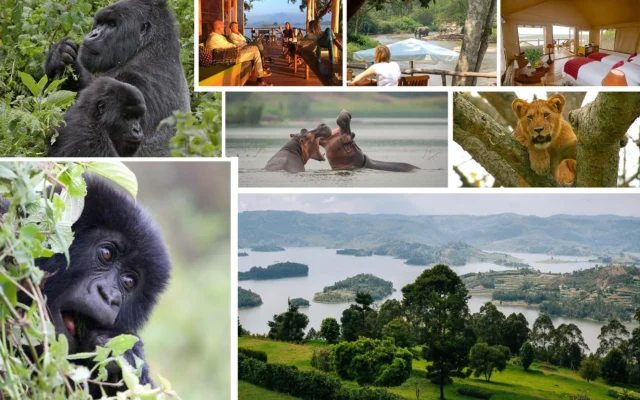
Crested crane timing aligns with Uganda's general safari calendar. Dry seasons are also best for chimpanzee trekking in Kibale, gorilla trekking in Bwindi (easier forest trails), and general game viewing. A dry-season itinerary visiting Murchison, Queen Elizabeth, and optionally Mabamba for shoebill delivers crested cranes alongside Uganda's full wildlife spectrum.
Photography Season Guide
- Best light: Dry seasons — June–September, December–February
- Best atmosphere: Wet seasons — dramatic skies and lush green backdrops
- Best behaviour: Early dry season when breeding displays peak
- Best access: Mid dry season when tracks are driest
Seasonal Tips by Destination
Murchison Falls
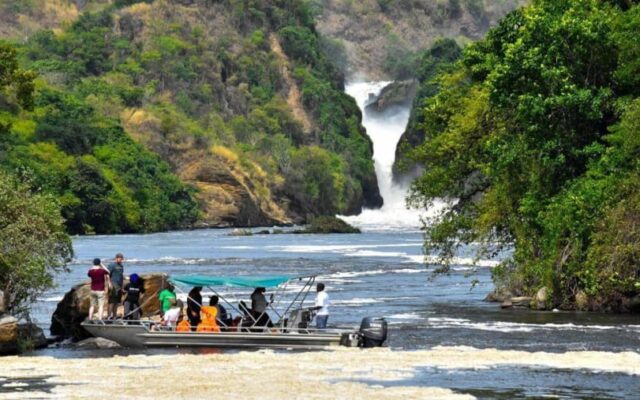
Year-round crane sightings on northern savannah. Dry season (December–February, June–September) for easiest driving. Nile delta boat cruises productive in all seasons.
Queen Elizabeth
Kasenyi Plains reliable year-round. Kazinga Channel boat cruises best in dry season when animals concentrate at water. Ishasha accessible year-round but muddy in heavy rains.
Lake Mburo
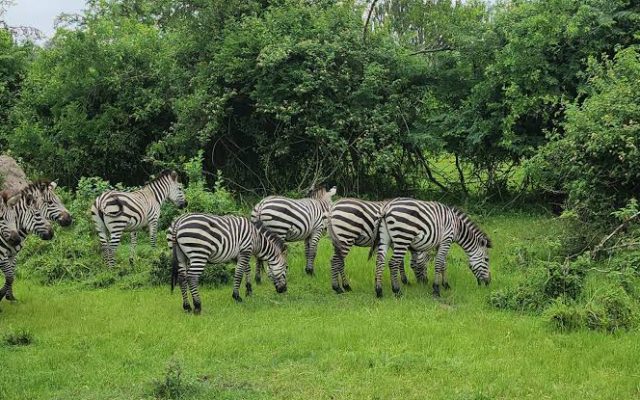
Compact park accessible in all seasons. Walking safaris best in dry months. Cranes on plains year-round.
Community Wetlands
Wetland walks most comfortable in dry season when water levels allow access to marsh margins without deep wading. Breeding monitoring by custodians is most active during breeding peaks.
Best Time to See Grey Crowned Cranes — Summary
- Overall best: Dry seasons — June to September and December to February
- Year-round: Possible in all months across Uganda
- Best time of day: Early morning and late afternoon
- Breeding displays: Most frequent during drier periods
- Value travel: Wet seasons — March to May and October to November
Ready to plan? Explore grey crowned crane safari experiences or request a quote for a tailored itinerary.