Bohor reedbuck habitat is the green, water-linked edge of Uganda's savannah world. Where floodplains meet woodland, where papyrus gives way to grazing lawns, and where hippos have kept channels open through tall grass, reedbuck are at home. Understanding that mosaic explains why sightings cluster on Nile deltas, lake shores, and seasonal swamps — and why the same park can feel empty of reedbuck on open kob plains yet rich along a forgotten wetland track. Explore bohor reedbuck facts, behaviour, and best places to see reedbuck in Uganda.
Wetland-Grassland Specialists
Unlike Uganda kob, which parade across short open savannah, bohor reedbuck favour moist grasslands, swamplands, and woodland margins where cover and grazing quality intersect. They are not deep-forest antelopes, but they need taller grass and reliable moisture — a narrower habitat envelope than many savannah grazers.
Research across Africa shows reedbuck on flood-prone plains that tolerate seasonal inundation and drought — landscapes where grass regrowth after rain or fire produces the tender shoots they prefer. In Uganda, that translates to river valleys, lake basins, and crater wetlands inside otherwise classic game-drive parks.
Water as the Habitat Anchor
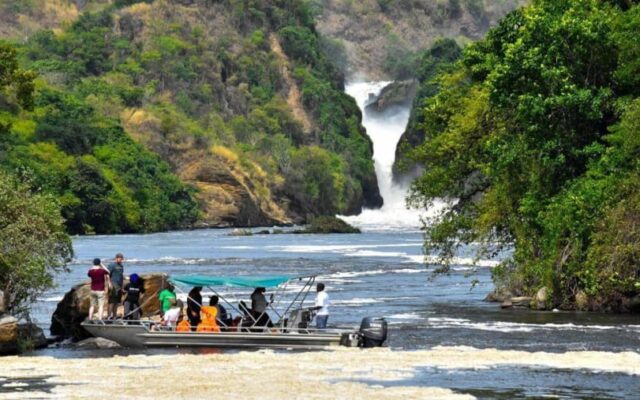
Water dependence defines reedbuck distribution. Animals typically remain within reach of rivers, lakes, swamps, or permanent springs. In Murchison Falls National Park, Nile-front grasslands and delta meadows concentrate herds in dry months. In Lake Mburo, five lakes and fringing wetlands create a compact reedbuck landscape ideal for short safaris.
Green pasture can supplement moisture intake, but drought still pushes reedbuck toward the last reliable water — often the same margins where crocodiles and lions hunt.
Vegetation Types
Typical bohor reedbuck habitat in Uganda includes:
- Seasonally flooded grasslands and meadow swamps
- Papyrus and reed margins with adjacent grazing lawns
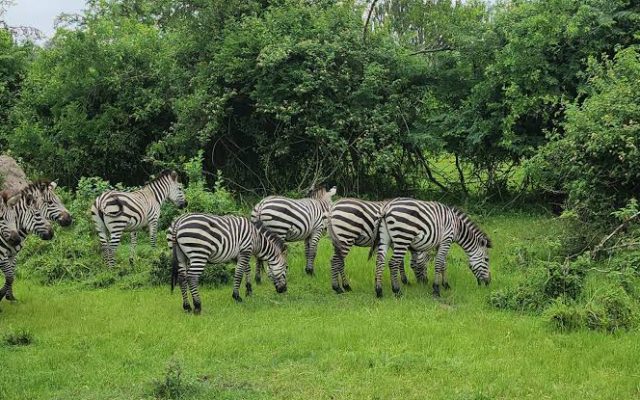
- Riverine savannah with tall Hyparrhenia and Themeda grass stands
- Acacia–grassland mosaics near permanent water
- Woodland edges where cover meets open grazing
- Recently burnt or grazed patches with fresh regrowth
They avoid pure short-grass plains far from cover, which is why kob and reedbuck partition the same parks rather than compete head-on for identical space.
Altitude and Climate
Across Africa, bohor reedbuck occur from lowland floodplains to montane grassland above 3,000 metres in Ethiopia — an unusually wide altitudinal tolerance. In Uganda's savannah parks they mainly occupy roughly 900 to 1,300 metres in the western rift and northern Nile systems, with drier northeastern grasslands in Kidepo and Pian Upe offering a hotter, more seasonal climate.
Bimodal rainfall in western parks refreshes grass growth around April–May and September–November; northern areas may follow a single wet season pattern. Reedbuck movement tracks grass quality as much as calendar month.
Park Ecosystems — Uganda's Reedbuck Landscapes
Murchison Falls National Park
The Victoria Nile, Paraa savannah, and Albert delta wetlands form Uganda's flagship reedbuck corridor. Buligi tracks, delta point routes, and boat landings near floodplains combine river ecology with grassland game viewing — hippo, waterbuck, and reedbuck often share the same visual frame.
Queen Elizabeth National Park
Crater lakes, Kazinga Channel margins, Ishasha river lines, and Katwe salt influences create varied wetland edges. Reedbuck are less numerous than kob on Kasenyi's open plains but appear where grass is taller and water closer — especially on drives that leave the busiest circuits.
Lake Mburo National Park
Uganda's smallest savannah park is disproportionately strong for wetland antelope ecology. Acacia valleys, rocky kopjes, and lake shores pack reedbuck habitat into a short drive from Kampala — excellent for travellers with limited time.
Kidepo Valley National Park
The Narus Valley's seasonal water and grass productivity support bohor reedbuck in lowland meadows, while mountain reedbuck occupy rockier high ground — a rare two-reedbuck park if guides know elevation zones.
Pian Upe Wildlife Reserve
Remote northeastern grasslands and seasonal wetlands hold reedbuck in a landscape more arid than Murchison yet ecologically linked to the Karamoja overland route toward Kidepo. Specialist itineraries increasingly include Pian Upe for undervisited savannah character.
Seasonal Habitat Dynamics
Wet seasons spread reedbuck across lush grasslands with ample cover — sightings can be harder because animals hide rather than stand exposed. Dry seasons contract ranges toward permanent water, sometimes producing larger aggregations near rivers. Fire-maintained savannah mosaics in Uganda's parks regenerate tender shoots that draw reedbuck to burnt edges — a subtle habitat cue experienced rangers use on dawn drives.
Habitat Overlap With Other Species
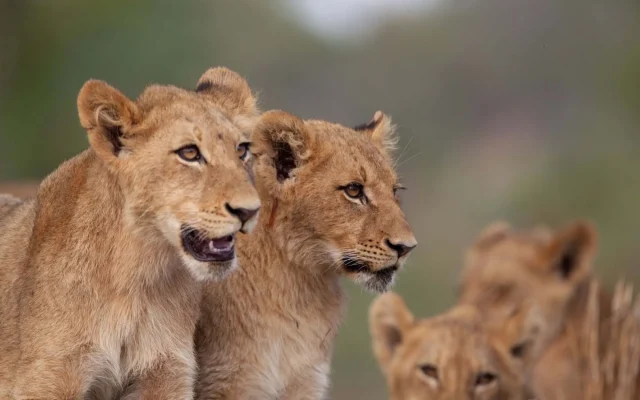
Reedbuck share margins with waterbuck, bushbuck, sitatunga in the wettest zones, and hippos that engineer channels through swamp grass. Lions and leopards patrol the same edges. For safari ecology, reedbuck are indicators of intact wetland–grassland connectivity — lose the swamp fringe and you lose more than one antelope species.
Threats to Habitat
Outside parks, drainage for agriculture, livestock encroachment, settlement expansion, and snaring reduce wetland grasslands. Inside protected areas, invasive plants, boundary pressure, and altered flood regimes from upstream development can change grazing quality. Queen Elizabeth's historical reedbuck decline illustrates that even flagship parks need active habitat stewardship.
Safari Viewing and Habitat Ethics
Stay on designated tracks, avoid driving into saturated floodplains, and follow ranger guidance near nesting birds and fragile swamp soils. Wetland margins are sensitive; responsible game driving protects the exact habitat reedbuck require.
Planning Your Visit
Prioritise dawn drives along water-linked sectors in the dry season, combine Murchison or Lake Mburo boat trips with adjacent grassland routes, and read our best time to see bohor reedbuck guide. Build wetland days into broader circuits via Uganda safari packages.