
Bohor Reedbuck FAQs and Answers — quick answers on biology, whistling behaviour, wetland habitat, park viewing, predators, and safari planning. Explore where to see bohor reedbuck, behaviour, best time to visit, and safari experiences — or request a quote for a tailored wetland-and-savannah itinerary.
- What is a bohor reedbuck?
The bohor reedbuck (Redunca redunca) is a medium-sized antelope of moist African grasslands and swamp margins. In Uganda it occurs in savannah national parks and reserves including Murchison Falls, Queen Elizabeth, Lake Mburo, Kidepo Valley, and Pian Upe Wildlife Reserve. It is one of two reedbuck species in the country — the other is the mountain reedbuck of higher, rockier ground.
- How do I tell bohor reedbuck from mountain reedbuck in Uganda?
Bohor reedbuck are larger, yellower, and tied to wet grasslands and swamp edges in lowland parks. Mountain reedbuck are smaller, greyer, and found on rocky hillsides and montane grassland — notably in parts of Kidepo Valley. Bohor males carry short, forward-curving horns; habitat and elevation are the quickest field clues.
- Why do bohor reedbuck whistle?
Reedbuck produce a loud, shrill whistle through the nostrils when alarmed — one of Africa's most distinctive antelope calls. The sound warns family members, marks territory boundaries, and often precedes stiff-legged stotting jumps. On a quiet dawn drive near wetlands, a whistle may be your first sign that reedbuck are nearby. See our bohor reedbuck behaviour guide for more detail.
- Where is the best place to see bohor reedbuck in Uganda?
Murchison Falls Nile delta and Paraa grasslands, Lake Mburo lake shores, and wetland margins in Queen Elizabeth are among the most productive sectors. Kidepo Narus Valley meadows and remote Pian Upe grasslands also hold reedbuck when guides work water-linked habitats. Compare parks on our where to see bohor reedbuck page.
- What do bohor reedbuck eat?
Bohor reedbuck are selective grazers favouring tender grasses and reed shoots with high protein and low fibre. They feed near water and often graze at night as well as by day. Seasonal shifts between grass species follow rainfall and flood patterns on Uganda's wetland margins. More on our bohor reedbuck diet page.
- How big is a bohor reedbuck?
Males stand roughly 75–89 cm at the shoulder and weigh 43–65 kg. Females are smaller at 69–76 cm tall and 35–45 kg. Head-and-body length is typically 100–135 cm. Only males grow short, curved horns about 25–35 cm long.
- Are bohor reedbuck endangered?
The IUCN classifies the bohor reedbuck as Least Concern globally, with total populations estimated above 100,000. Numbers have declined in some regions through habitat loss and hunting, and historical studies noted reductions in parts of Queen Elizabeth National Park. Protected areas remain essential. Read our conservation page for context.
- What predators hunt bohor reedbuck?
Lions, leopards, spotted hyenas, and Nile crocodiles prey on reedbuck in Uganda's parks. Reedbuck rely on hiding in tall grass and freezing rather than running in large herds — a strategy that works until a predator closes distance near wetland cover.
- When is the best time to see bohor reedbuck?
Reedbuck can be seen year-round. Dry seasons (June–September and December–February) often concentrate animals near permanent water, improving visibility. Dawn and late afternoon drives along swamp margins are most productive. See best time to see bohor reedbuck for monthly notes.
- Do bohor reedbuck live in herds?
Reedbuck are semi-gregarious. In favourable wet-season conditions they may be seen in pairs, small family groups, or alone. During dry months, larger aggregations can form near rivers — sometimes hundreds of animals in other parts of Africa. Males defend wet-season territories and may gather on traditional assembly grounds during breeding.
- How does bohor reedbuck differ from waterbuck and Uganda kob?
Uganda kob favour open short-grass plains and lek breeding displays. Waterbuck are larger, shaggier, and strongly tied to permanent water with a distinctive white rump ring. Bohor reedbuck are medium-sized, yellower, more cryptic in tall wetland grass, and famous for whistling alarms — often seen on the same drives but in different micro-habitats.
- Can I photograph bohor reedbuck on a standard Uganda safari?
Yes, though reedbuck are less obliging than kob on open plains. Ask your guide to include wetland margins, lake shores, and Nile floodplains at dawn. A telephoto lens and patience for animals stepping out of cover yield the best images. Pair with boat safaris where banks bring reedbuck closer to the waterline.
- Which Uganda safari packages include reedbuck habitat?
Most Murchison Falls, Queen Elizabeth, Lake Mburo, and northeastern Kidepo / Pian Upe itineraries cross reedbuck habitat. Explore bohor reedbuck safari experiences and Uganda safari packages for wetland-focused routes.
- Do bohor reedbuck need water daily?
Reedbuck are water-dependent, though lush green pasture can partly meet moisture needs. In Uganda's parks they are rarely far from rivers, lakes, swamps, or seasonal floodplains — which is why wetland game-drive routing matters for sightings.
- What subspecies of bohor reedbuck occurs in Uganda?
The eastern subspecies Redunca redunca wardi occurs in Uganda and neighbouring East Africa. A northeastern form related to R. r. cottoni may occur in border regions. Subspecies differ slightly in coat tone and horn proportions but share the same wetland-grassland ecology.
Safari packages to see Bohor Reedbuck
Bookable itineraries below include parks and activities where you are most likely to encounter Bohor Reedbuck in the wild.
 Best
Seller
Best
Seller
7 Day Uganda Wildlife & Gorilla
You visit
Murchison Falls, Kibale Forest, Queen Elizabeth NP, Bwindi Forest, Entebbe
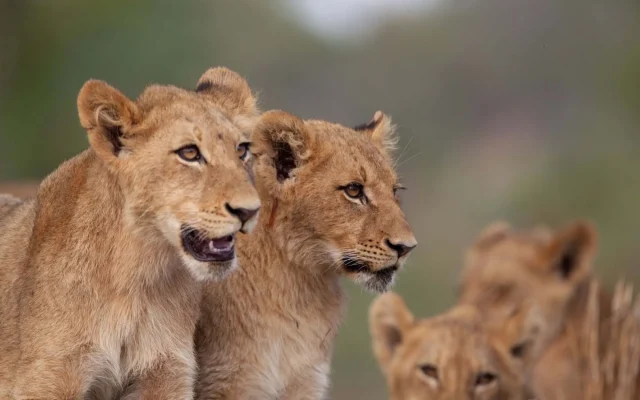
Seven days with gorillas: the wildlife tour above plus Bwindi trekking on Day 6 — the single most booked private itinerary for Uganda Safari Tours guests who want chimps, savannah and gorillas in one…
3 Day Murchison Falls Safari
You visit
Murchison Falls, Entebbe
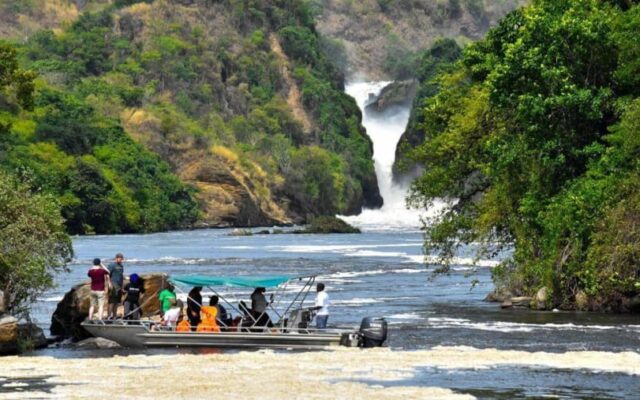
Our classic 3-day Murchison Falls safari follows the park’s most proven circuit: dramatic falls, savannah game drives north of the Nile, and the famous boat trip where the river narrows below the casc…
 Best
Seller
Best
Seller
6 Days Uganda Gorillas, Chimpanzees & Wildlife Safari
You visit
Kibale Forest, Queen Elizabeth NP, Bwindi Forest, Entebbe
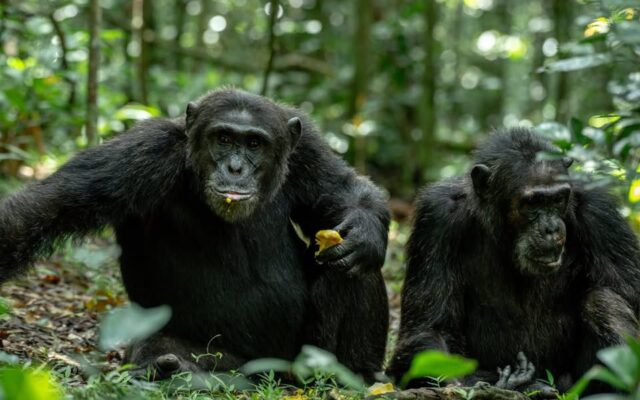
Primates plus plains in six days: Kibale chimps, Queen Elizabeth savannah, Bwindi gorillas and a Lake Mburo finale for zebra — the full Uganda highlight reel without rushing Kidepo or Murchison.
1 Day Lake Mburo Safari
You visit
Uganda Equator, Kayabwe, Lake Mburo, Kampala or Entebbe
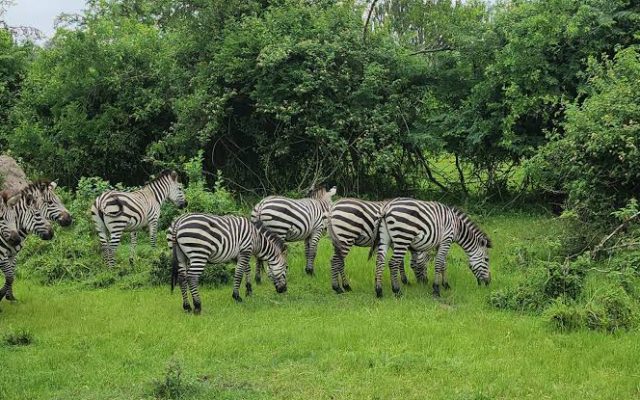
This compact 1-day Lake Mburo safari is the closest national-park wildlife experience to Kampala and Entebbe. Lake Mburo is Uganda’s smallest savannah park but one of the most rewarding for a short tr…