The bohor reedbuck is one of Uganda's most characterful wetland antelopes — a medium-sized, yellowish-brown grazer whose shrill whistle carries across floodplains and whose stiff-legged alarm jumps punctuate quiet dawn drives. Scientifically known as Redunca redunca, it belongs to the reduncine tribe of water-associated antelopes alongside waterbuck and kob, yet occupies a narrower niche: moist grasslands, swamp margins, and seasonally flooded meadows rather than the open short-grass parade grounds where Uganda kob dominate.
For safari travellers, reedbuck reward patience and habitat awareness. They may not headline brochure covers like lion or mountain gorilla, but a close sighting on a Nile delta track, a whistle from invisible cover in Queen Elizabeth, or a pair grazing a Lake Mburo shoreline often becomes the unexpected memory that defines a morning in the bush.
What Is a Bohor Reedbuck?
The bohor reedbuck is one of three reedbuck species in Africa and the most widespread. First described by Peter Simon Pallas in 1767, it is placed in the genus Redunca within the family Bovidae. Uganda hosts two reedbuck species — bohor in lowland wetlands and mountain reedbuck on rocky highlands in parts of Kidepo Valley National Park.
- Kingdom: Animalia
- Phylum: Chordata
- Class: Mammalia
- Order: Artiodactyla
- Family: Bovidae
- Genus: Redunca
- Species: Redunca redunca
- Uganda subspecies: Redunca redunca wardi (eastern form)
Physical Characteristics
Size and Build
Bohor reedbuck are sturdily built. Head-and-body length runs roughly 100 to 135 centimetres. Males stand 75 to 89 centimetres at the shoulder and weigh 43 to 65 kilograms; females are smaller at 69 to 76 centimetres and 35 to 45 kilograms. The build is compact — built for slipping through tall grass rather than sprinting open plains.
Coat and Markings
The coat is yellow to greyish brown, generally yellower than other reedbucks. White underparts, a pale eye ring, and a dark foreleg stripe aid identification. Large sebaceous glands give the fur a greasy texture and strong scent used in social signalling.
Horns
Only males grow horns — short, stout, and curved forward, typically 25 to 35 centimetres. Among reedbucks, bohor horns are the shortest and most hooked. Females are hornless.
The Whistling Antelope
Reedbuck are famous for a shrill whistle expelled through the nostrils when alarmed or advertising territory. The sound can vibrate the whole body and often precedes stiff-legged stotting bounds into cover. On wetland drives in Murchison Falls or Lake Mburo, learning this call transforms how you experience the savannah soundscape.
Habitat and Water Dependence
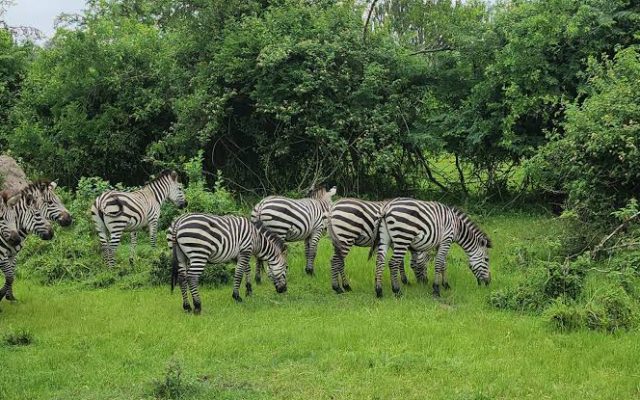
Bohor reedbuck inhabit moist grasslands, swamplands, and woodland margins near permanent water. They are not deep-forest antelopes nor wide-open plain specialists. Uganda's best habitat lies along the Victoria Nile and Albert delta, Kazinga Channel margins, Lake Mburo's lake chain, Kidepo's Narus Valley, and Pian Upe's seasonal meadows.
Green pasture can partly satisfy moisture needs, but dry seasons still concentrate animals on rivers and lakes — the same pattern that makes wetland game drives productive. Read more on our habitat page.
Diet
Reedbuck are selective grazers favouring tender grasses and reed shoots with high protein and low fibre. They feed by day and night, often peaking at dawn and late afternoon. Seasonal grass switching follows rainfall on floodplains — ecology detailed on our diet guide.
Social Behaviour
Reedbuck are semi-gregarious. Wet seasons may find them in pairs, small family groups, or alone; dry months can bring larger aggregations near water. Males defend wet-season territories advertised by whistling rather than heavy scent marking. Traditional assembly grounds draw dozens of competing males during breeding peaks in rainy periods.
Anti-predator strategy emphasises hiding in tall grass and freezing before flight — behaviour explored on our behaviour page.
Reproduction
Females may conceive from one year of age, producing a single calf after about seven and a half months. Calves are hidden for weeks, then gradually join mothers on grazing lawns. Males mature at three to four years. Breeding peaks in rainy seasons though births can occur year-round.
Where Bohor Reedbuck Live in Uganda
Murchison Falls National Park
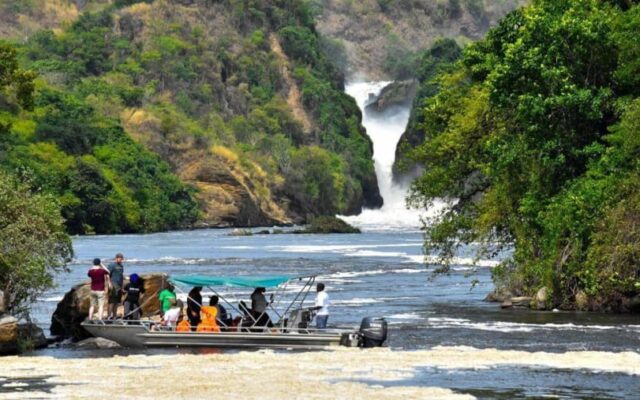
Nile delta grasslands and Paraa savannah — Uganda's flagship reedbuck corridor, especially strong on boat-and-drive combinations.
Queen Elizabeth National Park
Crater wetlands, channel margins, and Ishasha river lines. Less numerous than kob on open plains but rewarding on targeted wetland routes.
Lake Mburo National Park
Compact lake shores and acacia valleys — excellent short-circuit access from Kampala and western primate routes.
Kidepo Valley National Park
Narus Valley meadows for bohor reedbuck; rocky slopes for mountain reedbuck — a rare two-species park.
Pian Upe Wildlife Reserve
Remote northeastern grasslands on adventurous Karamoja overland routes toward Kidepo.
Compare parks on where to see bohor reedbuck.
Predators and Ecological Role
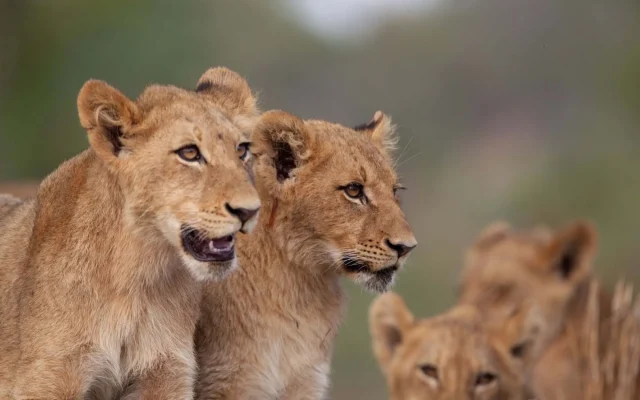
Lions, leopards, spotted hyenas, and Nile crocodiles prey on reedbuck. As mid-tier wetland grazers, they link swamp productivity to predator tourism and help maintain grassland structure alongside kob, waterbuck, and hippo.
Conservation Status
The IUCN classifies bohor reedbuck as Least Concern globally, with populations estimated above 100,000. Local declines from hunting, habitat drainage, and settlement pressure persist — including historical reductions documented in parts of Queen Elizabeth. Uganda's protected areas remain essential strongholds. See conservation for threats and park management.
Best Time to See Bohor Reedbuck
Year-round viewing is possible. Dry seasons (June–September and December–February) generally concentrate animals near water and improve visibility on lawn edges. Dawn and late afternoon drives on wetland margins outperform midday plain circuits. Seasonal detail on best time to see bohor reedbuck.
Safari Experiences
Reedbuck encounters fold into classic Uganda savannah itineraries — dawn wetland drives, Nile and lake boat safaris, and remote northeastern overlands. Explore bohor reedbuck safari experiences and Uganda safari packages.
Quick Facts
- Medium-sized wetland antelope of moist grasslands
- Famous shrill whistling alarm call
- Males carry short forward-curving horns
- Water-dependent; favours swamp and floodplain margins
- Found in Murchison, Queen Elizabeth, Lake Mburo, Kidepo, Pian Upe
- One of two reedbuck species in Uganda
- IUCN: Least Concern
- Selective grazer of protein-rich grasses and reed shoots