How to get to Budongo Forest Reserve
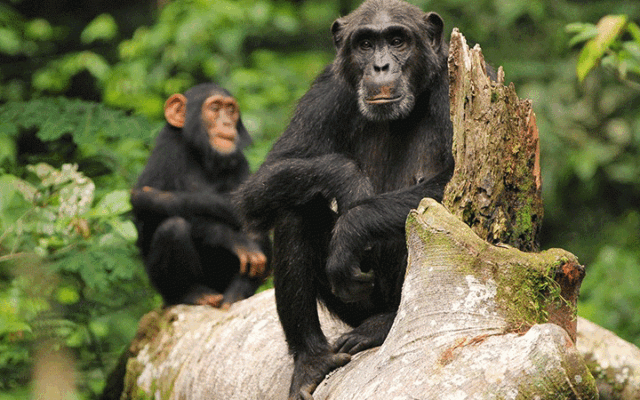
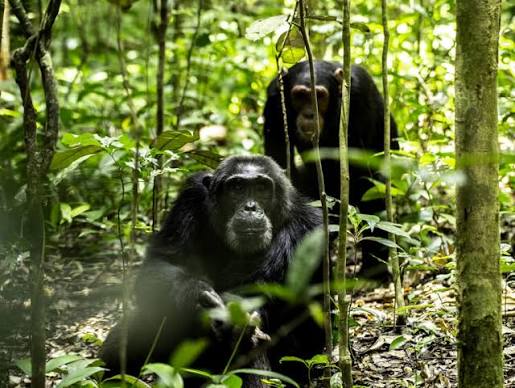
Most northern Uganda safaris pass within reach of Budongo Forest Reserve — whether travelers know it or not. The forest lies along the classic Kampala to Murchison Falls National Park corridor, making chimpanzee trekking at Kaniyo Pabidi one of the most logistically sensible primate stops in the country. You do not need a charter flight; you need realistic drive planning, UWA permit timing, and a vehicle suited to forest trailheads.
From Kampala via Masindi
From Kampala, the usual route runs northwest through Masindi toward the Murchison conservation landscape. Total drive time to Kaniyo Pabidi trailheads is commonly in the four-to-five-hour range from Kampala under normal conditions — traffic at Kampala exit, road works, and stops at Ziwa Rhino Sanctuary shift that estimate.
Many travelers break the journey: rhino tracking at Ziwa on one day, Budongo chimps the next morning, then continue to Paraa for Murchison game drives. Treating Budongo as a rushed one-hour detour often produces fatigue and missed briefings — schedule it as a dedicated forest morning.
En route to Murchison Falls
Budongo integrates naturally into Murchison Falls itineraries. Organized safaris typically sequence Kampala → Masindi area → Kaniyo Pabidi chimp trek → Paraa or northern bank lodges. The forest sector sits before or beside the main park access roads depending on lodge choice and UWA briefing point for your permit date.
Self-drivers with rental cars can reach publicized trailhead areas, but chimp trekking requires UWA guides and permits — independent travelers should pre-book through UWA or a licensed operator rather than assuming walk-up availability in peak season.
From Pakwach, Paraa, and northern Murchison
Travelers already inside Murchison may backtrack or cross conservation-area roads to reach Budongo sectors for a second primate day or birding focus. Drive times depend on lodge location — northern bank, southern bank, or Bugungu Wildlife Reserve margins. Confirm same-day feasibility with your lodge and guide; forest treks need morning slots.
Self-drive vs guided tour
Independent travelers with GPS and local advice can self-drive to Budongo margins. First-time visitors, photographers on tight Murchison timelines, and birders targeting specialists usually prefer a pre-arranged guided tour that bundles transport, permits, and lodge sequencing.
Guided arrangements reduce the risk of arriving after chimp briefing windows or underestimating muddy last-kilometer access after rain. They also simplify pairing Budongo with Nile boat cruises and delta shoebill searches on subsequent days.
From Entebbe and airport arrival days
Travelers landing at Entebbe often route north through Kampala toward Masindi on day one or two of a Murchison itinerary, with Budongo chimps scheduled once jet lag allows an early forest start. Same-day Entebbe-to-Kaniyo Pabidi attempts are possible only with very early departure and no significant traffic delays — most operators prefer an overnight in Kampala, Masindi, or a Murchison gateway lodge before the trek.
Birders sometimes open with Mabamba Swamp near Entebbe, then drive north — wetland specialists first, Budongo forest hornbills second, Murchison savannah third. That sequencing spreads habitat types across a week rather than compressing everything into two long driving days.
Lodge coordination and same-day Paraa transfers
If trekking en route to Paraa, share your lodge check-in time with your driver before the chimp briefing. Forest searches run long when chimps are deep in mahogany country; northern bank lodges may require ferry timing that cannot slip without losing an afternoon game drive. Many travelers overnight near Budongo or inside Murchison after chimps rather than forcing a same-day arrival with luggage and briefing fatigue.
Practical checklist before you go
Confirm chimp permit time and briefing location the day before. Carry passport copies if required for UWA registration, insect repellent, rain gear, sturdy footwear, and a daypack with water. Tell your operator about dietary needs if briefing times are early — forest mornings start before many lodge kitchens open on transfer days.
Seasonal trail notes are on our Budongo Forest Reserve best time to visit page. Species context sits on wildlife and bird watching.