Budongo Forest Reserve — questions travelers ask before booking
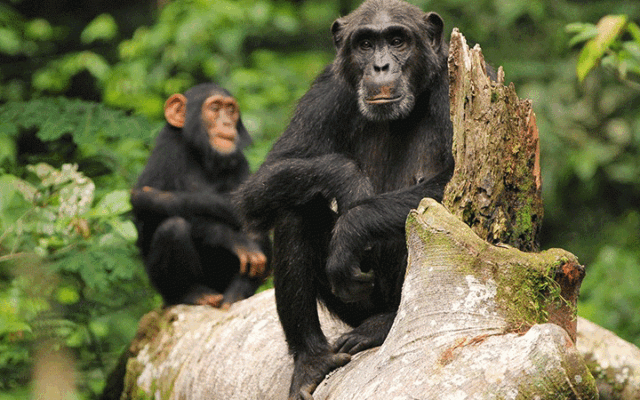
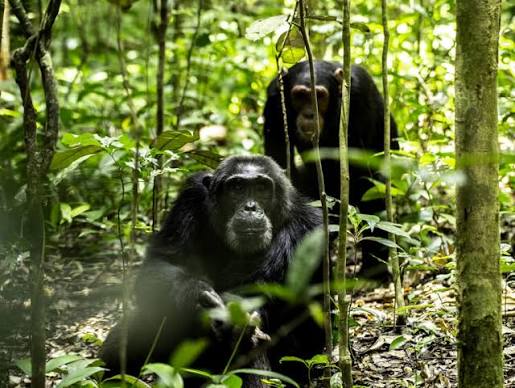
Budongo Forest Reserve is Uganda's most natural chimpanzee complement to Murchison Falls National Park — ancient mahogany rainforest on the Kampala–Paraa corridor where habituated chimps, 360-plus bird species, and forest walks add depth that savannah game drives alone cannot provide. It is not a savannah park; expect forest trails, primate focus, and ecology rather than lion prides on open plains.
The site works best as a purposeful morning or full-day forest block en route to or from Murchison — paired with Ziwa Rhino Sanctuary, Karuma Wildlife Reserve, or Bugungu Wildlife Reserve on broader northern itineraries.
Chimp trekking, permits, and expectations
Chimpanzee trekking in Budongo — typically from Kaniyo Pabidi or other UWA sectors — requires permits and ranger-led groups. Treks vary in duration and terrain; encounters may include feeding, vocalizing, and fast movement through canopy. No wild primate sighting is guaranteed, but Budongo is widely regarded as one of Uganda's strongest chimp destinations outside Kibale National Park.
Compared with gorilla trekking in Bwindi, chimp visits are often more dynamic. Operators advertising guaranteed close contact should be treated skeptically; UWA rules govern viewing distance and time.
Time, cost, and itinerary fit
Most visitors allow a half day to full day for Budongo including briefing, trek, and transfer. Same-day combinations with rhino tracking at Ziwa and Paraa arrival are possible only with very early starts and limited buffer — many travelers prefer an overnight near Masindi or inside Murchison.
Budongo rarely anchors an entire Uganda trip alone. It strengthens Murchison-centric safaris and northern birding routes. See best time to visit Budongo and getting to Budongo for season and transport detail.
Packing, safety, and responsible travel
Bring sturdy footwear, rain gear, insect repellent, water, and binoculars for forest birds. Follow ranger instructions on distance, noise, and photography near chimps. Forest trails can be steep and muddy — reasonable fitness helps.
Tourism supports UWA rangers and local lodge employment in a forest facing logging history and development pressure. Ethical trekking keeps habituation programs viable for research and future visitors.
Permits, fitness, and trek difficulty
Chimpanzee trekking permits are limited and date-specific — book through UWA or a licensed operator when confirming Murchison accommodation. Treks can last from under an hour to several hours depending on chimp location, trail mud, and group fitness. Budongo trails are not as steep as some Bwindi gorilla sectors, but slippery roots and humidity still challenge travelers who underestimate forest walking. Reasonable mobility helps; tell your guide about knee or heart concerns at briefing.
Chimp habituation experiences, where available, differ from standard trekking in time commitment and viewing rules — confirm program type when comparing Budongo with Kibale National Park marketing pages.
Where to read next
Species and ecology: Budongo wildlife.
Forest bird lists: Budongo bird watching.
Seasons and months: best time for Budongo.
Kampala and Murchison access: how to get to Budongo.
The main Budongo Forest Reserve destination guide covers hub overview, chimp sectors, and Murchison combinations.