Bigodi Wetland Sanctuary — questions travelers ask before booking
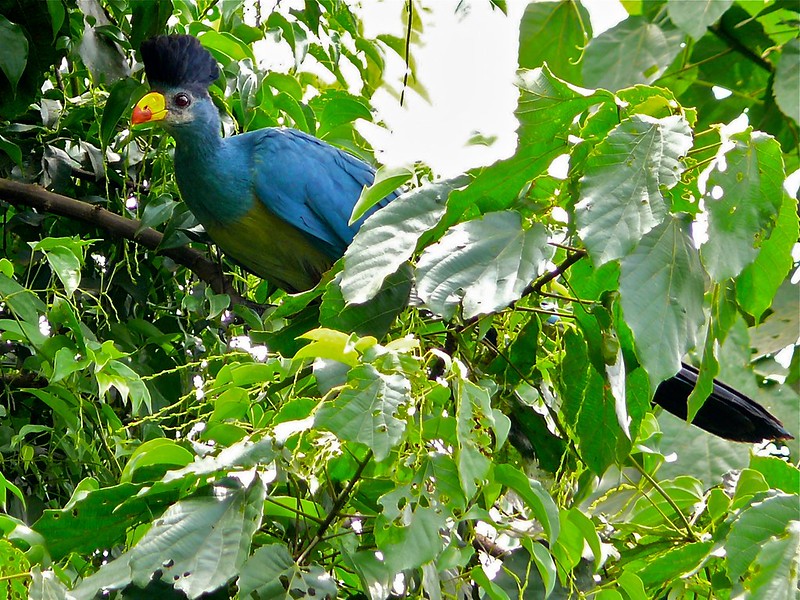
Bigodi Wetland Sanctuary occupies a specific niche in Uganda travel: a community-managed Magombe swamp walk beside Kibale National Park, famous for the Great Blue Turaco, forest-edge monkeys, and the conservation story of KAFRED (Kibale Association for Rural and Environmental Development), founded in 1992. It is not a national park with lodge grids and ranger posts at every turn. Understanding that distinction upfront prevents the common mismatch — expecting Big Five game drives, then wondering why the morning centers on boardwalks, turaco calls, and conversations about village projects.
The site works best when treated as a purposeful three-hour guided activity on a Kibale itinerary — paired with chimp trekking, crater-lake time near Fort Portal, or onward travel toward Queen Elizabeth National Park. Birders building longer routes often connect Bigodi with Semuliki National Park, Bwindi Impenetrable National Park, and arrival-day wetlands such as Mabamba Swamp near Entebbe.
How Bigodi differs from Kibale chimp trekking
Chimpanzee trekking in Kibale is intense forest tracking with permit limits, briefing rules, and physically demanding pace through thick undergrowth. Bigodi is slower, more open, and community-led — better for turacos, kingfishers, colobus monkeys, papyrus ecology, and direct interpretation of how tourism funds local development. Most travelers do both rather than choosing one. The combination gives a Kibale stay balance: adrenaline in the morning forest, interpretive wetland pacing later the same day or on a second morning.
Chimp encounters near the Bigodi forest edge are possible but not targeted. Book Kibale permits for guaranteed chimp-focused effort. Treat Bigodi as complementary wildlife and culture, not a backup chimp site.
Booking, fees, and responsible visits
Use official KAFRED guides, stay on boardwalks and marked trails, keep noise low near village homes, and ask before photographing people. Cash helps for guide fees, tips, and crafts — budget separately from Kibale park entry and chimp permit costs. Wear shoes that tolerate mud; the trail is honest about being a wetland, not a paved nature path. Responsible travel here supports the model that has protected Magombe for decades: tourism revenue must reach guides and community projects, not bypass them through informal arrangements.
Wildlife and birding expectations
More than 200 bird species have been recorded around the swamp. Monkeys regularly appear along the Kibale forest edge. Sitatunga and other shy wetland mammals are possible but not the main draw. Travelers who want only megafauna on open savannah should prioritize Queen Elizabeth or Murchison Falls instead. Travelers who enjoy turacos, hornbills, colobus troops, and conservation storytelling usually rank Bigodi among their best half-days in Uganda.
The walk is educational and sighting-dependent — not a scripted wildlife show. Honesty about that keeps satisfaction high. Early mornings improve bird activity; muddy seasons demand footwear patience more than calendar avoidance.
Nearby pairings and where to read next
Kibale National Park is the essential partner. Fort Portal adds crater lakes and town services. Lake Nkuruba Nature Reserve and Amabere Caves extend soft adventure nearby. Rwenzori Mountains National Park suits hikers continuing west.
Dedicated section pages: wildlife at Bigodi, bird watching at Bigodi, best time for Bigodi, getting to Bigodi. The main Bigodi Wetland Sanctuary destination guide covers hub overview, nearby combinations, and full safari planning context.