Best time to visit Bigodi Wetland Sanctuary
Unlike gorilla or chimp permits locked to fixed calendar slots, Bigodi Wetland Sanctuary flexes around your Kibale schedule. Most travelers visit because they already hold nights near Kanyanchu or Bigodi village — the practical question is which hour on that day delivers the best walk for birds, monkeys, comfortable footing, and photography without exhausting everyone after a demanding forest trek.
Morning vs afternoon: when wildlife and light cooperate
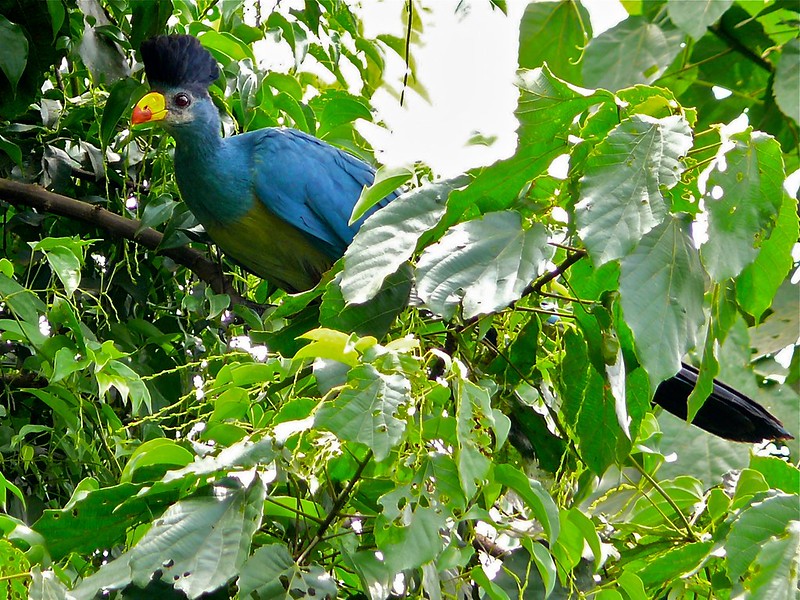
Morning walks usually win for bird activity, cooler temperatures, and softer light. Great Blue Turacos, kingfishers, and forest-edge species are more vocal before midday heat builds over Magombe swamp. If your Kibale National Park chimp permit is morning-only, an afternoon Bigodi walk still works — many lodges are close enough that you can swap order on a two-night stay without long transfers.
When chimp trekking fills the afternoon, request an early Bigodi start on a different day rather than squeezing both into a tired evening slot before a long drive toward Queen Elizabeth National Park or Bwindi Impenetrable National Park. The walk deserves alert eyes; fatigue after chimp tracking reduces both bird lists and enjoyment of KAFRED guide interpretation about community conservation.
Dry season footing vs rainy season atmosphere
Uganda's broadly drier windows — roughly June to September and December to February — firm up trails and boardwalks around Magombe swamp. That matters for older travelers, anyone uneasy on slick wood, and photographers who need stable footing for longer lens work. Birding remains strong in dry months; you trade occasional afternoon showers for easier walking and less mud on village approach paths.
Rainy months centered on March to May and parts of October to November bring lush vegetation, atmospheric swamp light, and fewer competing visitors at times — but mud is real. Pack gaiters or shoes you accept will get dirty, carry a light rain jacket, and allow extra time on the trail. Bird activity often rebounds quickly after a morning shower clears; the main penalty is footing, not absence of wildlife.
Kibale receives rain when Kampala looks dry — micro-climate matters. Ask lodge staff about trail conditions the night before rather than relying on national forecasts alone. Western Uganda weather can differ park to park within the same week.
Coordinating Bigodi with Kibale chimp permits
The most common planning mistake is treating Bigodi as an afterthought once chimp permits are secured. Book Kibale chimp dates first, then lock your Bigodi walk with your lodge or tour operator so drive times match realistically. Fort Portal-based travelers need earlier starts than guests sleeping at Kibale gates — those thirty to forty minutes each way compound quickly when briefings begin at dawn.
If you hold only one full day near Kibale, the classic split is morning chimp trek plus afternoon Bigodi — or the reverse when permits demand it. Two-night stays allow dedicating one morning entirely to birding Bigodi without sharing energy with chimp tracking on the same day — a strong option for serious listers.
Peak travel weeks and guide availability
Christmas, Easter, and July–August European holidays fill Kibale lodges and driver-guides. Bigodi itself rarely sells out like chimp permits, but community guides get busy during peak weeks. Reserve the walk when you confirm chimp dates, not on arrival night at the lodge. Popular Fort Portal and Kibale properties also affect transfer availability — another reason to book the wetland walk alongside permits rather than improvising.
Migration months for specialist birders
Resident turacos, kingfishers, and papyrus specialists are present throughout the year. Birders targeting Palearctic migrants and broader western Uganda lists often favor the wider October to March window when additional waterbirds and migrants supplement resident species. Exact mixes vary annually; combining Bigodi with Semuliki National Park or Queen Elizabeth National Park spreads habitat exposure across a longer birding safari.
Month-by-month snapshot
January–February: Often drier; good trail access; strong general birding; popular with travelers escaping northern winter.
March–May: Wetter; muddier boardwalks; lush scenery; flexible timing and rain gear essential.
June–August: Peak travel season; book Kibale early; comfortable walking conditions when roads cooperate.
September: Transition month — still workable; watch for early rains affecting approach tracks.
October–November: Second rainy peak possible; migrant interest rising for listers; allow schedule margin.
December: Holiday demand near Kibale; plan Bigodi with lodge transfers when you confirm accommodation.
First day or second day at Kibale?
Bigodi fits either position on a Kibale stay. As a first-day afternoon activity after arrival from Kampala or Entebbe, it eases you into western Uganda's forest-edge ecology before a demanding chimp morning. As a second-day morning walk after chimp trekking, it balances adrenaline with interpretive wetland pacing. Skipping Bigodi entirely on a Kibale route is a missed opportunity for most travelers.
Access and drive times are on our getting to Bigodi guide. Species detail sits on bird watching and wildlife pages.