The vervet monkey diet is opportunistic, seasonal, and remarkably broad — a flexible menu of fruits, flowers, seeds, leaves, gum, insects, and occasional bird eggs that keeps troops fed across Uganda's changing savannah calendar. Chlorocebus pygerythrus is neither a strict frugivore like many forest monkeys nor a dedicated folivore like colobus; it occupies the generalist middle ground that explains its abundance on game drives through Queen Elizabeth, Murchison Falls, and Lake Mburo. Explore links to habitat, foraging behaviour, and where to see vervet monkeys.
Omnivorous Generalists
Vervets are classified as omnivorous primates with a frugivorous bias — fruit dominates when available, but no single food category sustains them year-round. This dietary breadth supports large multi-male troops in savannah ecosystems where fruiting is patchy and seasonal. Troops that can switch between fig crops, acacia pods, grass seeds, and termite emergences outcompete specialists in variable environments.
Research across East Africa documents vervets consuming well over one hundred plant species plus diverse invertebrates. Uganda's acacia woodlands, fig groves, and riverine galleries supply the structural food diversity that keeps populations dense inside protected areas.
Fruits and Flowers
Figs (Ficus species) are among the most important vervet foods — available across much of the year in riverine and woodland margins. Sycamore figs along the Kazinga Channel and Murchison's Nile corridors support large troops through dry months when grass quality declines.
Other key fruits include:
- Acacia pods and gum — protein-rich browse during dry seasons
- Balanites and Strychnos fruits where woodland transitions occur
- Ornamental and garden fruits at lodge perimeters (a human-interface risk)
- Wild berries and drupes in regenerating bush
Flowers — particularly those with nectar or soft petals — supplement diets when fruit is scarce. Vervets may also chew young leaf buds for moisture and trace nutrients.
Leaves, Seeds, and Grasses
Unlike colobus monkeys adapted to ferment leafy diets, vervets eat leaves selectively — young shoots, tender tips, and petioles rather than mature foliage. Grass seeds and stems become important during rainy seasons when green growth surges across Kasenyi Plains and Murchison grasslands.
Ground foraging on lawns and firebreaks is conspicuous on game drives: vervets sit upright, plucking grass stems and scanning for predators between bites. This terrestrial feeding places them in direct visual contact with antelope, warthog, and safari vehicles — the everyday savannah tableau Uganda visitors remember.
Insects and Animal Protein
Invertebrates provide critical protein, especially for pregnant and lactating females and growing juveniles. Vervets actively hunt:
- Grasshoppers and locusts in open savannah
- Termites and ants during emergences after rain
- Caterpillars and beetle larvae in acacia canopies
- Spiders and other arthropods on bark and ground litter
Occasionally vervets take bird eggs from ground nests or raid weaver colonies — behaviour that generates spectacular alarm from nesting birds and sharp photographic moments when guides pause to explain the interaction.
Seasonal Diet Shifts in Uganda
Uganda's bimodal rainfall drives predictable foraging calendars:
- Long rains (March–May): Abundant grass, fresh leaves, insect emergences; troops spread across plains
- Early dry season (June–August): Fig and acacia pod reliance increases; drinking concentrates near channels
- Short rains (September–November): Second flush of grasses and fruits; birth peaks may follow food abundance
- Short dry season (December–February): Ground foraging on seeds and pods; lodge perimeters attract crop-raiding when wild food thins
Guides who know local fruiting trees can predict troop locations — a fig grove in heavy fruit often holds dozens of vervets visible from a single vehicle stop.
Foraging Behaviour and Social Learning
Vervets forage in spread formations with sentinels posted on exposed branches. Juveniles learn food handling through observation — which fruits to peel, which insects to avoid, and which lodge windows never to approach. Mothers tolerate food sharing with infants but discipline subordinates who steal from dominant females.
Time budgets shift through the day: intensive morning and late-afternoon foraging bracket midday rest in shade. Read more on daily rhythms in our behaviour guide.
Water and Hydration
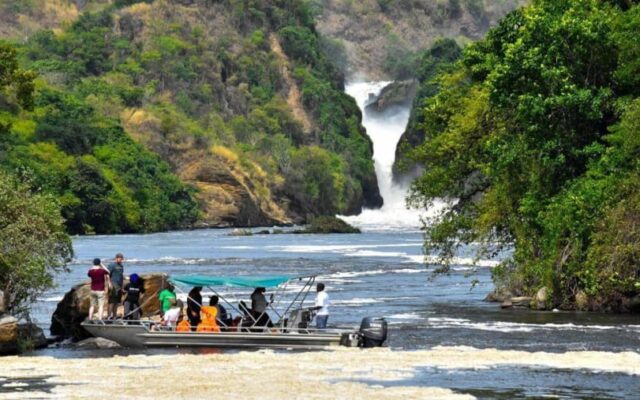
Vervets drink from rivers, lakes, and puddles — often in cautious groups with sentinels while others lap. Kazinga Channel boat cruises and Murchison Nile launches frequently pass troops at water's edge. During wet seasons, moisture from food may reduce drinking frequency, but dry-month waterholes remain focal points for mixed-species gatherings including warthog, kob, and buffalo.
Seed Dispersal and Ecological Role
As frugivores, vervets disperse seeds through faeces — sometimes travelling hundreds of metres from parent trees before defecating. This role supports woodland regeneration along forest–savannah margins. As insectivores, they regulate invertebrate populations. As prey, they sustain leopard, eagles, and python populations that define healthy savannah food webs.
Crop Raiding and Human Foods
Outside parks, vervets raid maize, bananas, mangoes, and garden vegetables — the primary driver of human–wildlife conflict for this species. Inside parks, lodge waste and unsecured tourist food create parallel problems: bold troops learn to enter rooms and vehicles. Never feed vervets; processed human food causes malnutrition, aggression, and dependency. Conservation implications are covered on our conservation page.
Diet Compared to Other Uganda Primates
- Olive baboon: Broader scavenging including carrion; larger troops; similar crop-raiding issues
- Red-tailed monkey: More frugivorous; forest and riverine specialist
- Black-and-white colobus: Leaf specialist with fermenting gut; minimal ground foraging
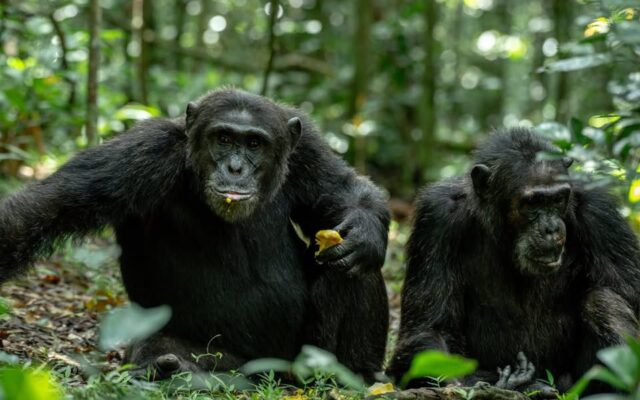
- Common chimpanzee: Omnivorous great ape; hunts monkeys including vervets in overlap zones
Photography and Viewing Tips
Foraging vervets offer relaxed photography when vehicles maintain distance. Ground-feeding animals at eye level through a telephoto lens produce engaging portraits. Watch for insect-hunting bursts, fig-feeding squabbles, and the upright grass-plucking posture that signals low predator tension. Dawn and late afternoon align with peak feeding activity — see best time to see vervet monkeys.
Planning Diet-Focused Observations
Any standard game drive through Queen Elizabeth, Murchison, or Lake Mburo delivers foraging troops without special permits. Combine with vervet safari experiences and Uganda safari packages that balance savannah primate days with gorilla and chimpanzee trekking.